· 8 min read
Can Dogs Get Tularemia from Eating Rabbit Poop? What Pet Parents Need to Know
It’s a sunny afternoon, and you’re strolling through the park with your furry sidekick, Luna. Suddenly, she yanks the leash, nose buried in the grass, and—gulp—you realize she’s just gobbled up something small and brown. Rabbit poop. Cue the panic: Is this dangerous? Could she get sick? If you’ve ever asked, “Can dogs get tularemia from eating rabbit poop?” you’re not alone.
Rabbit droppings are a common sight in backyards, trails, and parks, and dogs—bless their curious little noses—often can’t resist a quick snack. But while it might seem harmless, there’s more to this behavior than meets the eye. In this guide, we’ll break down the risks (including tularemia), why dogs are drawn to rabbit poop, and how to keep your pup safe. Let’s dive in!
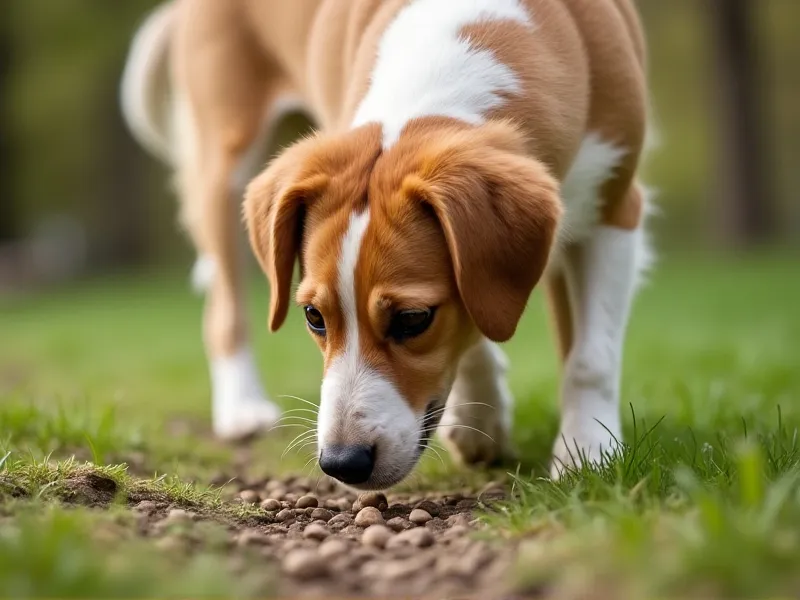
Table of Contents
- Can Dogs Get Tularemia from Rabbit Poop? The Short Answer
- What Is Tularemia, Exactly?
- Why Do Dogs Eat Rabbit Poop, Anyway?
- The Risks of Dogs Eating Rabbit Poop: Beyond Tularemia
- Are There Any “Benefits” to Rabbit Poop for Dogs?
- How Much Rabbit Poop Is “Safe” for Dogs?
- Healthier Alternatives to Curb the Habit
- FAQ: Your Top Rabbit Poop Questions Answered
- Conclusion: Prioritizing Your Dog’s Health
1. Can Dogs Get Tularemia from Rabbit Poop? The Short Answer
Yes, but it’s rare. Tularemia (also called “rabbit fever”) is a bacterial infection caused by Francisella tularensis, and rabbits are one of the primary carriers. Dogs can contract tularemia by eating infected rabbit poop, urine, or carcasses, or through bites from ticks/fleas that fed on infected animals. However, cases in dogs are uncommon, and most healthy dogs may only experience mild symptoms—or none at all—if exposed.
That said, “rare” doesn’t mean “impossible.” The risk is real, especially in areas where tularemia is more prevalent (e.g., rural regions, wooded areas with high rabbit/rodent populations). Let’s unpack what tularemia is, how it spreads, and why rabbit poop is a potential culprit.
2. What Is Tularemia, Exactly?
Tularemia is a zoonotic disease, meaning it can spread from animals to humans (and vice versa). The bacteria Francisella tularensis thrives in wild animals like rabbits, hares, squirrels, and rodents. Here’s what you need to know:
How It Spreads to Dogs:
- Ingestion: Eating infected rabbit poop, carcasses, or contaminated grass/water.
- Vector bites: Ticks (e.g., dog ticks, wood ticks) or fleas that bit an infected animal.
- Direct contact: Touching an infected animal’s blood or tissue (e.g., if your dog kills a rabbit).
Symptoms in Dogs:
Most dogs exposed to tularemia don’t get seriously ill, but watch for:
- Fever (103°F or higher)
- Lethargy or weakness
- Loss of appetite
- Swollen lymph nodes (often under the jaw or near the neck)
- Eye discharge or conjunctivitis
- Ulcers or abscesses (if the bacteria enters through a wound)
In severe cases (rare), dogs may develop pneumonia, organ failure, or sepsis. If you notice these symptoms—especially after your dog has eaten rabbit poop—contact your vet immediately.
Prevalence:
Tularemia is most common in North America, Europe, and parts of Asia. The CDC reports ~200 human cases yearly in the U.S., but dog cases are even fewer. Still, it’s more likely in spring/summer when rabbits are active and ticks are abundant.
3. Why Do Dogs Eat Rabbit Poop, Anyway?
Let’s be real: Watching your dog snack on feces (a behavior called “coprophagia”) is gross. But there’s usually a reason behind it. Here’s why dogs might be drawn to rabbit poop:
Instinctual Roots:
Dogs are descendants of wolves, who sometimes ate feces to:
- Hide their scent from predators.
- Recover nutrients from undigested food (e.g., plant matter in herbivore poop).
- Clean their dens (mother dogs eat their puppies’ poop to keep the nest clean).
Nutritional Curiosity:
Rabbit poop is mostly undigested grass, hay, and veggies—high in fiber and trace nutrients like potassium, vitamin A, and B vitamins. Some dogs may seek it out if their diet is lacking in fiber or if they’re bored.
Boredom or Anxiety:
Dogs left alone for long periods or with pent-up energy may turn to coprophagia as a stress reliever or pastime.
Taste (Yes, Really!):
Rabbit poop is small, dry, and odorless to humans—but dogs have a 10,000x stronger sense of smell. To them, it might smell like a “snack” (yuck, we know).
4. The Risks of Dogs Eating Rabbit Poop: Beyond Tularemia
Tularemia is just one concern. Rabbit poop can carry other hidden dangers:
Parasites:
Rabbits often have intestinal parasites like:
- Coccidia: A protozoan that causes diarrhea, vomiting, and weight loss in dogs.
- Tapeworms: If the rabbit had tapeworms, their eggs may be in the poop. Dogs can get tapeworms by eating infected fleas, but rarely directly from poop—still, a risk.
- Roundworms: Eggs in rabbit poop can hatch in a dog’s gut, leading to abdominal pain or malnutrition.
Bacteria:
Rabbit feces may contain harmful bacteria like:
- Salmonella: Causes diarrhea, vomiting, and fever.
- E. coli: Leads to stomach upset or, in severe cases, kidney damage.
- Campylobacter: Triggers diarrhea (sometimes bloody) and cramping.
Stomach Upset:
Even if the poop is “clean,” eating foreign material can irritate your dog’s gut, leading to vomiting, diarrhea, or gas.
Choking Hazards:
Rabbit poop is small, but if your dog eats a large amount—or if the poop has undigested twigs, seeds, or thorns—there’s a risk of choking or intestinal blockage (especially in small breeds).
5. Are There Any “Benefits” to Rabbit Poop for Dogs?
You might have heard claims that rabbit poop is “nutritious” for dogs, thanks to fiber, potassium, or vitamins. Let’s set the record straight:
The “Benefits” Are Minimal:
Rabbit poop does contain small amounts of fiber (from undigested grass) and trace nutrients, but your dog’s regular diet should already provide these. Commercial dog food is formulated to meet all their nutritional needs, so rabbit poop isn’t a “supplement.”
Risks Outweigh Any Perceived Upsides:
Even if there were marginal benefits, the risk of tularemia, parasites, or bacteria makes rabbit poop a poor choice. It’s like letting your dog eat a candy bar with a side of germs—just not worth it.
6. How Much Rabbit Poop Is “Safe” for Dogs?
None. There’s no “safe” amount because even a single bite could expose your dog to tularemia or parasites. The best policy is to prevent your dog from eating rabbit poop altogether.
7. Healthier Alternatives to Curb the Habit
If your dog is obsessed with rabbit poop, redirect their behavior with these safe, tasty alternatives:
High-Fiber Treats:
- Pumpkin: Canned (unsweetened) or fresh pumpkin is high in fiber and vitamins—dogs love it!
- Sweet potato: Baked or boiled (no added sugar) for a fiber-rich snack.
- Green beans: Crunchy, low-calorie, and packed with fiber.
Interactive Toys:
Boredom often drives coprophagia. Keep your dog busy with puzzle toys, chew bones, or fetch to distract them from scouting for poop.
Balanced Diet:
Ensure your dog’s food has enough fiber (look for brands with beet pulp, oats, or flaxseed) to prevent nutrient-seeking behavior.
Training:
Teach the “Leave it!” command (see FAQ below) to stop your dog mid-snack.
8. FAQ: Your Top Rabbit Poop Questions Answered
Q: Is rabbit poop always dangerous for dogs?
A: No, but it’s risky. Most dogs who eat a small amount will be fine, but there’s no way to know if the poop is infected with tularemia or parasites.
Q: How do I stop my dog from eating rabbit poop?
A:
- Supervise walks: Keep your dog on a leash and redirect them with a treat or toy if they fixate on poop.
- Train “Leave it!”: Practice this command with treats (e.g., hold a treat in your hand, say “Leave it,” and reward when they look away).
- Clean your yard: Remove rabbit poop regularly (use gloves to avoid zoonotic risks).
- Use a muzzle (temporarily): If your dog can’t resist, a basket muzzle (allowing panting) can prevent ingestion during walks.
Q: Can indoor dogs get tularemia?
A: Rarely, unless they eat infected rabbit poop brought inside (e.g., on shoes) or are bitten by an infected tick that hitchhiked indoors.
Q: What should I do if my dog ate rabbit poop?
A: Monitor them for 24–48 hours for fever, diarrhea, or lethargy. If symptoms appear, call your vet. If they ate a large amount, watch for vomiting/blockage signs (e.g., inability to poop, bloating).
Q: Is tularemia treatable in dogs?
A: Yes! Vets typically prescribe antibiotics (e.g., streptomycin, gentamicin) for 10–14 days. Most dogs recover fully with prompt treatment.
9. Conclusion: Prioritizing Your Dog’s Health
While the risk of tularemia from rabbit poop is low, it’s not zero. As pet parents, our job is to keep our dogs safe—and that means preventing them from eating feces, no matter how “harmless” it seems.
By supervising walks, training “Leave it!”, and offering healthy alternatives, you can help your dog kick the habit. And if you ever notice symptoms like fever or lethargy after they’ve eaten rabbit poop, don’t hesitate to call your vet.
Your dog’s curiosity is part of what makes them lovable, but with a little guidance, you can keep them happy, healthy, and poop-free.
Stay safe, and happy trails!
References
- Centers for Disease Control and Prevention (CDC). “Tularemia.” cdc.gov/tularemia
- American Veterinary Medical Association (AVMA). “Tularemia in Animals.” avma.org
- Cornell University College of Veterinary Medicine. “Coprophagia in Dogs.” vet.cornell.edu
- VCA Animal Hospitals. “Tularemia in Dogs.” vcahospitals.com