· 9 min read
Can Dogs Get Sick from Eating Raw Chicken? The Surprising Truth Every Pet Parent Needs to Know
Picture this: You’re prepping dinner, raw chicken breast on the counter, when your dog’s wet nose nudges your hand. You turn to shoo them away, and poof—they’ve snatched the chicken and are already halfway through it. Your heart races: Did they just ingest something toxic? Can dogs get sick from eating raw chicken, or are their tough stomachs built to handle it?
If you’ve ever panicked over this scenario (or wondered if raw chicken is a “healthy” treat), you’re not alone. Raw feeding has gained popularity in recent years, with proponents claiming benefits like shinier coats and more energy. But veterinary experts warn that raw meat—especially chicken—poses hidden risks.
In this post, we’ll cut through the confusion: We’ll answer whether dogs can get sick from raw chicken, break down the potential pros and cons, share safety guidelines (if you even should feed it), and suggest healthier alternatives. Let’s dive in.
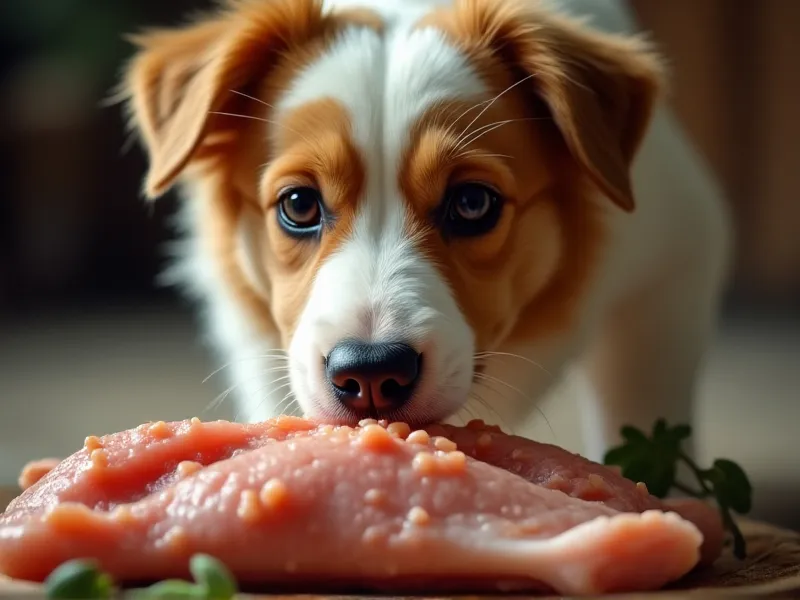
Table of Contents
- Can Dogs Get Sick from Raw Chicken? The Short Answer
- Potential “Benefits” of Raw Chicken (and Why They’re Overhyped)
- The Real Risks: Why Raw Chicken Isn’t Worth the Gamble
- So, Is Any Raw Chicken Safe for Dogs? Guidelines (If You Insist)
- Healthier Alternatives to Raw Chicken
- FAQ: Your Raw Chicken Questions, Answered
- Conclusion: Prioritizing Your Dog’s Health (and Your Peace of Mind)
- References
Can Dogs Get Sick from Raw Chicken? The Short Answer
Yes, dogs can get sick from eating raw chicken—and so can you. While it’s true that dogs have stronger stomach acid than humans (which may kill some bacteria), they’re not immune to foodborne illnesses. In fact, the Centers for Disease Control and Prevention (CDC) warns that raw meat, including chicken, is a common source of bacterial contamination that can sicken both pets and their owners.
Some dogs may eat raw chicken without showing immediate symptoms, but that doesn’t mean they’re “safe.” Bacteria like Salmonella or Campylobacter can linger in their digestive tract, causing illness later—or spreading to humans via contact with their saliva, feces, or food bowls.
Let’s break down the facts: the (overhyped) “benefits,” the very real risks, and what to do if your dog sneaks a bite.
Potential “Benefits” of Raw Chicken (and Why They’re Overhyped)
Raw feeding enthusiasts often claim that raw chicken is “natural” for dogs, mimicking what their wolf ancestors ate. They argue it provides:
- High-quality protein: Raw chicken is rich in protein, which supports muscle growth, energy, and a healthy coat.
- Essential nutrients: It contains B vitamins (like B6 and niacin), selenium, zinc, and amino acids (e.g., taurine, critical for heart health).
- No additives: Unlike some processed dog foods, raw chicken has no preservatives or fillers.
But here’s the catch: These benefits are not unique to raw chicken. Cooked chicken (without bones or seasoning) offers the same nutrients—without the risk of bacteria or parasites. In fact, the American College of Veterinary Nutrition (ACVN) notes that most raw diets are unbalanced, lacking key nutrients like calcium, phosphorus, or vitamins unless carefully formulated by a professional.
Wolves in the wild also eat entire prey (bones, organs, fur), not just muscle meat—and they often get sick from spoiled or contaminated food, too. Your domesticated pup isn’t a wolf, and their immune system isn’t built to handle the pathogens in modern raw chicken.
The Real Risks: Why Raw Chicken Isn’t Worth the Gamble
The risks of feeding raw chicken to dogs far outweigh any potential benefits. Let’s unpack the biggest dangers:
Bacterial Infections: Salmonella, Campylobacter, and More
Raw chicken is a breeding ground for harmful bacteria. A 2011 study in the Journal of the American Veterinary Medical Association found that 19% of raw chicken samples tested positive for Salmonella, and 31% for Campylobacter—two pathogens that cause severe illness in dogs and humans.
- For dogs: Symptoms include vomiting, diarrhea (sometimes bloody), lethargy, fever, and loss of appetite. In severe cases, bacteria can enter the bloodstream (sepsis) or damage the intestines. Puppies, senior dogs, and those with chronic illnesses (like kidney disease or diabetes) are most at risk.
- For humans: You can get sick by handling raw chicken, touching your dog’s mouth/feces, or even petting them after they’ve eaten raw meat. The CDC reports that Salmonella from pets causes over 142,000 human illnesses annually in the U.S.
Parasites: Uninvited Guests in Raw Meat
Raw chicken may harbor parasites like:
- Toxoplasma gondii: Found in undercooked meat, this parasite can cause neurological issues in dogs (and birth defects in pregnant humans).
- Tapeworms: If the chicken is infected with fleas (a common carrier), your dog could ingest tapeworm larvae, leading to weight loss, diarrhea, or anemia.
- Roundworms: These intestinal parasites can spread to humans, causing fever, coughing, or even blindness in children.
Cooking chicken to an internal temperature of 165°F (74°C) kills these parasites, making it safe for your dog.
Bone Hazards: Small Bones, Big Problems
Raw chicken bones are tiny, brittle, and sharp—even “soft” raw bones can splinter. If your dog swallows a bone fragment, it can:
- Choke them: Bones can get stuck in the throat, blocking the airway.
- Tear the intestines: Sharp edges can puncture the stomach or intestines, leading to internal bleeding or infection (peritonitis).
- Cause blockages: Bones can lodge in the intestines, requiring surgery to remove.
Even if your dog “chews carefully,” there’s no guarantee a bone won’t splinter. The AVMA strongly advises against feeding any chicken bones—raw or cooked—to dogs.
Digestive Upset: When Raw Chicken Upsets Their Tummy
Dogs have sensitive digestive systems, and raw chicken can throw them off balance. Common issues include:
- Diarrhea or vomiting: The sudden introduction of raw meat can irritate the gut, leading to loose stools or stomach upset.
- Pancreatitis: Chicken skin and fat are high in fat, which can trigger pancreatitis (inflammation of the pancreas) in dogs—especially small breeds or those prone to the condition. Symptoms include severe abdominal pain, vomiting, and lethargy, and it can be life-threatening.
So, Is Any Raw Chicken Safe for Dogs? Guidelines (If You Insist)
If you’re set on feeding raw chicken (despite the risks), consult your vet first. They can help you weigh the pros and cons based on your dog’s age, health, and lifestyle. If you proceed, follow these strict guidelines:
- Source human-grade, organic chicken: Avoid factory-farmed chicken, which is more likely to be contaminated. Look for labels like “USDA organic” or “free-range.”
- Handle it like toxic waste: Wear gloves when preparing raw chicken, wash all surfaces (cutting boards, bowls) with hot, soapy water, and disinfect with a bleach solution (1 part bleach to 10 parts water).
- Freeze it first: Freezing raw chicken for 2 weeks can kill some parasites (though not all bacteria).
- Feed only muscle meat (no bones!): Remove skin, fat, and bones to reduce pancreatitis and choking risks.
- Keep portions tiny: Treat raw chicken as an occasional snack (no more than 10% of their daily calories), not a meal replacement.
- Monitor for symptoms: Watch for vomiting, diarrhea, or lethargy, and contact your vet immediately if they appear.
Healthier Alternatives to Raw Chicken
You don’t need to risk raw chicken to give your dog a tasty, nutritious treat. These alternatives are safer and just as delicious:
Cooked Chicken: The Gold Standard
Cooked chicken is the best alternative. It’s:
- Bacteria-free: Cooking kills Salmonella, Campylobacter, and parasites.
- Nutrient-dense: It retains all the protein, vitamins, and amino acids of raw chicken.
- Easy to prepare: Boil, bake, or grill boneless, skinless chicken breast (no salt, garlic, or onion—these are toxic to dogs).
How to serve: Shred it over kibble, mix with veggies (like carrots or green beans), or freeze into small cubes for a cool summer treat.
Other Lean Proteins to Try
Mix up your dog’s diet with these safe, cooked proteins:
- Turkey: Low in fat, high in tryptophan (boosts mood!).
- Lean beef: Rich in iron and zinc (great for active dogs).
- Salmon: Packed with omega-3s for a shiny coat (cooked, no bones).
- Eggs: Cooked eggs (scrambled or hard-boiled) are a protein powerhouse and a hit with most dogs.
Commercial Diets: Balanced and Convenient
If you want the “raw” experience without the risk, try commercial raw diets (e.g., frozen patties or dehydrated formulas). These are:
- Tested for pathogens: Reputable brands (like Stella & Chewy’s or Primal) screen for bacteria.
- Balanced: Formulated by veterinarians to meet AAFCO standards (so your dog gets all nutrients).
Still, check with your vet before switching—some commercial raw diets may still pose contamination risks.
FAQ: Your Raw Chicken Questions, Answered
Q: My dog just ate raw chicken—should I induce vomiting?
A: No! Inducing vomiting can backfire (e.g., if they swallowed bones, which could tear the esophagus). Instead, monitor them for 24–48 hours for symptoms like diarrhea or lethargy. Call your vet if they seem unwell.
Q: Is raw chicken better than kibble?
A: No. High-quality kibble is formulated to be nutritionally complete, with all the vitamins, minerals, and fiber your dog needs. Raw diets often lack calcium (critical for bones) or taurine (for heart health) unless fortified.
Q: Can puppies eat raw chicken?
A: Puppies have weaker immune systems and developing digestive tracts, making them far more susceptible to bacterial infections. Stick to cooked chicken or puppy-formulated kibble.
Q: My dog only wants to eat raw chicken—what do I do?
A: This is a behavioral issue, not a nutritional need. Gradually transition them to cooked chicken by mixing a tiny bit of raw with cooked, increasing the cooked portion over time. Consult a vet or dog trainer if they refuse to eat.
Conclusion: Prioritizing Your Dog’s Health (and Your Peace of Mind)
At the end of the day, the question isn’t “Can dogs eat raw chicken?”—it’s “Should they?” For most pet parents, the answer is no. While some dogs may sneak a bite without getting sick, the risk of bacterial infections, parasites, or choking is too high.
Instead, opt for cooked chicken or other lean proteins—they’re just as tasty, far safer, and guaranteed to keep your pup (and your family) healthy. And if you’re ever unsure about your dog’s diet, ask your vet. They’re your best resource for personalized advice.
Your dog’s wagging tail and happy, healthy life are worth the extra step of cooking their chicken. After all, a little caution goes a long way when it comes to their well-being.
References
- American Veterinary Medical Association (AVMA). (2023). Raw Pet Food. avma.org/resources/pet-owners/nutrition/raw-pet-food
- Centers for Disease Control and Prevention (CDC). (2022). Pets and Salmonella. cdc.gov/salmonella/pets.html
- Journal of the American Veterinary Medical Association. (2011). Prevalence of Salmonella and Campylobacter Species in Raw Meat–Based Diets for Dogs. avmajournals.avma.org/doi/10.2460/javma.239.11.1437
- American College of Veterinary Nutrition (ACVN). (2021). Raw Diets for Pets. acvn.org/raw-diets-for-pets