· 9 min read
Can Dogs Get Sick from Eating Poop? The Truth Every Pet Parent Needs to Know
It’s a scenario that makes even the most composed pet parent cringe: You’re enjoying a peaceful afternoon in the yard with your dog when suddenly, their nose dives toward the grass. Before you can shout “drop it!”, they’ve swallowed something brown and squishy. Yep—poop.
We’ve all been there. And while the first thought is usually “gross!”, the second is far more urgent: Can dogs get sick from eating poop?
If you’ve ever wondered whether your pup’s unappetizing habit is harmless or a health hazard, you’re not alone. Coprophagia (the technical term for eating feces) is surprisingly common in dogs, but its risks and “benefits” (if any) are often misunderstood. Let’s dive into the messy details—so you can keep your dog happy, healthy, and (fingers crossed) poop-free.
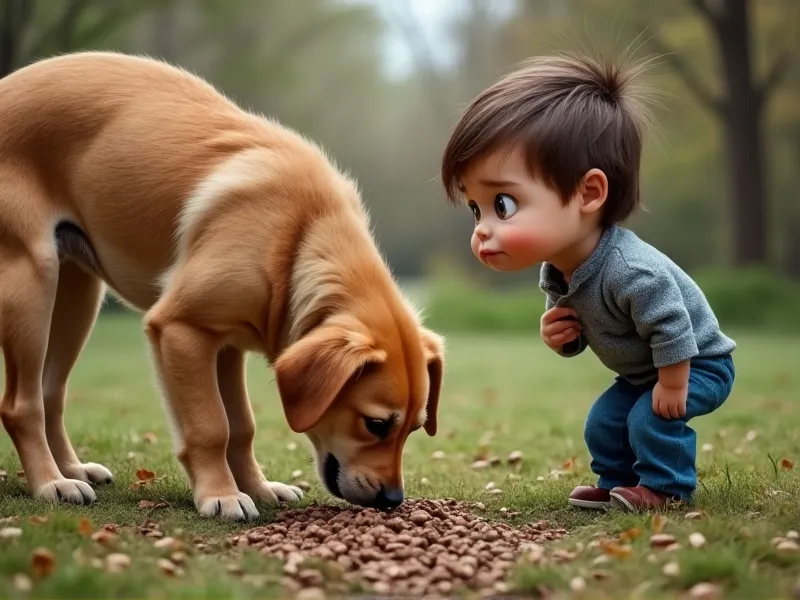
Table of Contents
- Can Dogs Get Sick from Eating Poop? The Short Answer
- Why Do Dogs Eat Poop, Anyway? (Possible “Reasons” vs. Actual Benefits)
- The Real Risks: What Makes Poop Dangerous for Dogs?
- How Much Poop Is “Safe” for Dogs? Spoiler: Probably None
- Healthier Alternatives to Poop: What to Offer Instead
- FAQ: Your Top Poop-Eating Questions, Answered
- Conclusion: Keep Your Pup Healthy (and Poop-Free!)
Can Dogs Get Sick from Eating Poop? The Short Answer
Yes, dogs can get sick from eating poop—but it depends on what kind of poop they’re eating, how much, and where it came from.
While a one-time “snack” might not land them in the vet’s office, regular or contaminated feces can expose your dog to harmful bacteria, parasites, viruses, or even toxins. On the flip side, some dogs may seek out poop due to nutritional deficiencies (though this is rare in well-fed pups).
Let’s break it down:
Why Do Dogs Eat Poop, Anyway? (Possible “Reasons” vs. Actual Benefits)
First, let’s address the elephant in the room: Why do dogs do this? It’s not because they’re gross (well, maybe a little), but there are biological and behavioral reasons that might explain the habit.
The “Benefit” Myth: Nutrients, Fiber, or Potassium?
You might have heard claims that dogs eat poop to “supplement” their diet—like getting extra fiber, potassium, or nutrients they’re missing. While there’s some logic here, it’s mostly outdated.
- Nutrients: In the wild, mother dogs eat their puppies’ poop to keep the den clean and prevent predators from detecting the litter. Puppies may also mimic this behavior, but it’s not about nutrition. For adult dogs, if they’re eating their own poop, it could signal malabsorption (meaning their body isn’t absorbing nutrients from food properly), but this is a symptom of an underlying issue (like pancreatic disease), not a “benefit.”
- Fiber: Poop does contain fiber (since it’s undigested food), but high-quality dog food already has plenty of fiber. A dog seeking fiber from poop is more likely a sign their diet is lacking, not a healthy choice.
- Potassium: Poop has trace amounts of potassium, but again, a balanced diet provides all the potassium a dog needs.
In short: Poop isn’t a “superfood” for dogs. Any “benefit” is either a myth or a red flag that your pup’s diet or health needs attention.
Real Reasons Dogs Eat Poop
More likely explanations for coprophagia include:
- Curiosity/Boredom: Puppies, in particular, explore the world with their mouths. Poop is just another “new thing” to taste. Bored dogs may also turn to poop as a form of entertainment (gross, but true).
- Stress or Anxiety: Dogs with separation anxiety or stress may develop compulsive behaviors, including poop-eating.
- Attention-Seeking: If you react strongly (yelling, chasing) when your dog eats poop, they might learn it’s a surefire way to get your focus (even negative attention counts!).
- Dietary Issues: Low-quality food, sudden diet changes, or food intolerances can make poop more appealing (since undigested food smells “tasty” to them).
- Medical Conditions: Diabetes, Cushing’s disease, or thyroid issues can increase appetite or alter taste preferences, leading dogs to eat non-food items (including poop).
The Real Risks: What Makes Poop Dangerous for Dogs?
Now, the critical part: When is poop-eating risky? The danger depends on the source of the feces. Let’s break down the biggest threats:
1. Parasites: Worms, Toxoplasma, and More
Poop—especially from other animals—is a breeding ground for parasites. Common culprits include:
- Roundworms, Hookworms, Tapeworms: These intestinal parasites lay eggs in feces. If your dog eats infected poop, the eggs hatch in their gut, leading to infestations. Symptoms include diarrhea, weight loss, and a pot-bellied appearance.
- Toxoplasma gondii: Found in cat poop, this parasite can cause lethargy, fever, or neurological issues in dogs (though severe cases are rare).
- Giardia/Coccidia: These single-celled parasites cause diarrhea and are spread through contaminated feces.
2. Bacterial Infections: Salmonella, E. Coli, and Beyond
Feces (human or animal) often contains harmful bacteria like:
- Salmonella: Causes vomiting, diarrhea, fever, and can even spread to humans (zoonotic risk).
- E. Coli: Some strains (like E. coli O157:H7) lead to severe gastrointestinal distress, kidney damage, or death.
- Campylobacter: Triggers diarrhea, cramping, and fever in dogs and humans.
3. Viral Diseases: Parvovirus, Distemper, and More
Unvaccinated dogs are at risk of contracting viruses from infected feces:
- Parvovirus: A deadly virus spread through feces, causing severe vomiting, diarrhea, and dehydration (especially dangerous for puppies).
- Distemper: While primarily spread through respiratory secretions, feces can also carry the virus, leading to neurological and respiratory issues.
4. Toxic Substances
If the poop comes from an animal that ate something toxic (like chocolate, xylitol, or pesticides), your dog could ingest those toxins secondhand. Even medications (e.g., NSAIDs, antidepressants) passed through feces can harm your pup.
5. Choking Hazards
Poop from other animals (like wildlife) or poop mixed with foreign objects (rocks, plastic, string) can cause choking or intestinal blockages—life-threatening emergencies requiring surgery.
How Much Poop Is “Safe” for Dogs? Spoiler: Probably None
The short answer: There’s no “safe” amount. Even a small bite of contaminated poop can make your dog sick.
- Occasional, accidental ingestion: If your dog snatches a tiny piece of their own poop once, they’ll likely be fine (though you should still monitor for symptoms like vomiting or diarrhea).
- Regular or large amounts: Repeatedly eating poop (especially from other animals) increases the risk of parasites, bacteria, or viruses. Over time, this can lead to chronic health issues (like malnutrition from intestinal worms).
Healthier Alternatives to Poop: What to Offer Instead
The best way to stop poop-eating is to address the root cause and provide healthier distractions. Here are actionable steps:
1. Feed a High-Quality Diet
If your dog is eating poop due to nutritional deficiencies, upgrading their food can help. Look for:
- Complete and balanced formulas (check for AAFCO approval).
- High protein/fiber: Opt for foods with whole ingredients (chicken, brown rice, vegetables) instead of fillers.
- Consult your vet: If you suspect malabsorption (e.g., diarrhea, weight loss despite eating), your vet may recommend a prescription diet or supplements (like digestive enzymes).
2. Keep Their Environment Clean
- Scoop the yard daily: The less poop available, the less temptation.
- Clean up immediately after meals: Puppies often poop shortly after eating—be ready with a bag!
- Secure trash cans: Dogs love raiding the trash for “snacks,” including human poop (yes, really). Use childproof locks or keep trash out of reach.
3. Provide Mental and Physical Stimulation
Boredom and stress are big drivers of coprophagia. Combat this with:
- Daily exercise: A tired dog is a happy (and less likely to eat poop) dog.
- Interactive toys: Puzzle feeders, chew toys, or treat-dispensing balls keep their mind busy.
- Training: Teach the “leave it” command to redirect them from poop. Reward with high-value treats (like freeze-dried chicken) when they obey.
4. Address Behavioral Issues
If stress or anxiety is the cause, work with a vet or certified trainer to:
- Reduce triggers: For separation anxiety, try gradual desensitization (e.g., leaving for short periods and rewarding calm behavior).
- Avoid punishment: Yelling or scolding can make anxiety worse. Instead, calmly redirect and reward good behavior.
5. Try Anti-Coprophagia Supplements
Some vets recommend supplements to make poop taste unappealing (e.g., For-Bid, which contains monosodium glutamate). These work for some dogs but aren’t a fix-all—always consult your vet first.
FAQ: Your Top Poop-Eating Questions, Answered
Q: Why does my adult dog suddenly start eating poop?
A: Sudden coprophagia can signal an underlying issue, like a nutritional deficiency, digestive problem (e.g., pancreatitis), or thyroid imbalance. Schedule a vet visit to rule out health concerns.
Q: Is cat poop more dangerous than dog poop?
A: Cat poop isn’t more dangerous, but it does carry unique risks. Cats are obligate carnivores, so their poop is higher in protein (making it more appealing to dogs). They also shed Toxoplasma gondii oocysts, which can infect dogs (and humans). Always keep the litter box clean and out of your dog’s reach.
Q: My dog ate another dog’s poop—should I panic?
A: Panic isn’t helpful, but monitor them closely for 24–48 hours. Symptoms to watch for: vomiting, diarrhea, lethargy, loss of appetite, or bloody stools. If any appear, call your vet.
Q: How can I stop my dog from eating poop while on walks?
A: Keep them on a short leash and redirect with a “leave it” command. Bring high-value treats (like cheese or hot dogs) to reward them for ignoring poop. You can also carry a spray bottle with water to gently deter them (never spray in their face!).
Q: Are there breeds more prone to eating poop?
A: Some breeds (Labradors, Beagles, Golden Retrievers) are more curious or food-driven, making them slightly more likely to try poop. But coprophagia can happen in any breed.
Conclusion: Keep Your Pup Healthy (and Poop-Free!)
At the end of the day, poop-eating is a common but risky habit. While a one-time slip-up might not harm your dog, regular feces ingestion can lead to parasites, infections, or worse. The key is to stay vigilant: keep your yard clean, feed a balanced diet, and address any underlying behavioral or health issues.
If your dog can’t kick the habit, don’t hesitate to consult your vet—they can help rule out medical causes and suggest personalized solutions. Remember, you’re not alone in this (we’ve all been the “poop police” at some point!). With patience and proactive care, you can help your pup stay healthy, happy, and—most importantly—poop-free.
References
- American Society for the Prevention of Cruelty to Animals (ASPCA). “Coprophagia in Dogs.” aspca.org
- VCA Hospitals. “Why Do Dogs Eat Poop?” vcahospitals.com
- American College of Veterinary Internal Medicine (ACVIM). “Nutritional Management of Coprophagia in Dogs.” acvim.org
- Centers for Disease Control and Prevention (CDC). “Zoonotic Diseases from Animals.” cdc.gov