· 10 min read
Can Dogs Get Sick From Eating Deer Poop? What Pet Parents Need to Know
Picture this: You’re strolling through a sunlit forest trail with your pup, Bella, when suddenly she bolts toward a patch of tall grass. Before you can yell “Leave it!”, her tail wags triumphantly—she’s just snacked on something unidentifiable. Upon closer inspection, your heart sinks: deer poop. If you’re a dog parent, this scenario is probably all too familiar. Our canine companions have a knack for finding the most questionable “snacks” in nature, and deer poop (or “feces,” if we’re being technical) is high on the list.
But here’s the burning question: Can dogs get sick from eating deer poop? The answer isn’t a simple “yes” or “no.” While it might seem harmless (or even amusing) in the moment, deer poop can pose hidden risks—along with a few surprising (though minor) potential benefits. In this guide, we’ll break down the facts, so you can keep your pup happy, healthy, and (hopefully) away from those forest floor “treats.”
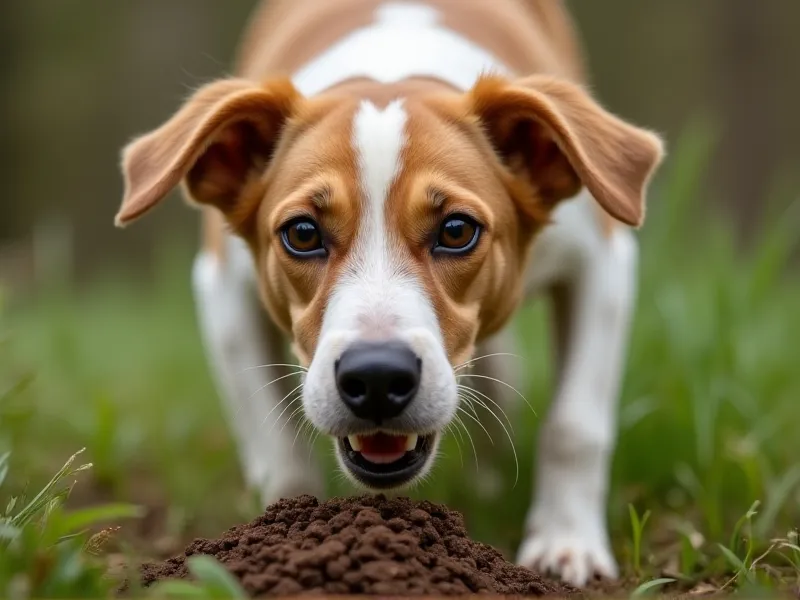
Table of Contents
- The Short Answer: Can Dogs Get Sick From Deer Poop?
- Why Do Dogs Eat Deer Poop, Anyway?
- Potential “Benefits” of Deer Poop for Dogs (Spoiler: They’re Minimal)
- The Risks: Why Deer Poop Might Make Your Dog Sick
- How Much Deer Poop Is “Safe” for Dogs?
- Healthier Alternatives to Deer Poop
- FAQ: Your Top Questions Answered
- Conclusion: Play It Safe, But Stay Calm
## 1. The Short Answer: Can Dogs Get Sick From Deer Poop?
Yes, dogs can get sick from eating deer poop—but it’s not guaranteed. For some dogs, a quick nibble might result in nothing more than bad breath. For others, it could lead to stomach upset, parasites, or even more serious issues. The risk depends on factors like:
- What the deer ate (e.g., berries, plants, or moldy vegetation).
- Whether the deer was carrying parasites or bacteria.
- How much deer poop your dog consumed.
In short: It’s not always dangerous, but it’s far from “safe.” Let’s unpack why.
## 2. Why Do Dogs Eat Deer Poop, Anyway?
Before we dive into the risks and benefits, let’s address the elephant (or deer) in the room: Why does your well-fed, spoiled pup insist on munching on wild animal droppings? It’s not just because they’re “gross”—there are actual biological and behavioral reasons.
Instinctual Behavior
Dogs are descendants of wolves, and in the wild, canines sometimes eat the poop of herbivores (like deer) to gain nutrients their own diet might lack. For example, wolf pups often eat their mother’s feces to populate their gut with healthy bacteria. While domestic dogs don’t need this, the instinct can linger.
Nutritional Cravings
If your dog’s diet is missing key nutrients—like fiber, potassium, or trace minerals—they might turn to deer poop as a (very unorthodox) supplement. Deer poop is mostly undigested plant matter, so it’s rich in fiber and some vitamins. Your pup’s nose might detect that and think, “Hey, this could help!”
Boredom or Curiosity
Let’s be real: Dogs get bored. A walk in the woods with new smells? That deer poop might just be the most interesting thing they’ve encountered all day. Curiosity (and a lack of better things to do) can drive even the pickiest pups to take a taste.
## 3. Potential “Benefits” of Deer Poop for Dogs (Spoiler: They’re Minimal)
Deer poop isn’t all bad—at least, not in theory. Here are a few nutrients your dog might (accidentally) get from it. But fair warning: These “benefits” are tiny compared to the risks.
Fiber for Digestion
Deer eat grass, leaves, twigs, and other plants—so their poop is packed with undigested fiber. Fiber helps keep your dog’s digestive system moving, which is why some pet foods include ingredients like pumpkin or oats. In small amounts, deer poop might give your dog a temporary fiber boost. But here’s the catch: Most commercial dog foods already have plenty of fiber. Your pup doesn’t need to scavenge for it!
Potassium for Muscle Health
Plants are rich in potassium, an electrolyte that supports muscle function and heart health. Deer poop might contain small amounts of potassium from the vegetation the deer ate. But again: A balanced dog food (or even a banana slice as a treat) will give your pup way more potassium—without the gross factor.
Trace Nutrients (Vitamins A, C, and More)
Deer munch on leafy greens, berries, and flowers, which are loaded with vitamins like A (for vision) and C (for immunity). Some of these vitamins might survive digestion and end up in their poop. But once again: Your dog’s diet should already include these vitamins. Deer poop is a poor substitute for a well-formulated meal.
Bottom line: Any “benefits” of deer poop are negligible. Your dog is better off getting nutrients from their regular food or healthy treats.
## 4. The Risks: Why Deer Poop Might Make Your Dog Sick
Now, let’s get serious. Deer poop can pose real dangers to your dog—some minor, some potentially life-threatening. Here’s what to watch out for.
Stomach Upset (Vomiting, Diarrhea, or Gas)
The most common risk is gastrointestinal distress. Deer poop is foreign to your dog’s digestive system, and even a small amount can irritate their stomach. Symptoms might include:
- Vomiting (especially within 2–4 hours of eating the poop).
- Loose stools or diarrhea (sometimes with mucus or blood, if irritation is severe).
- Bloating or excessive gas.
These symptoms usually pass within 24–48 hours, but if they last longer, contact your vet—dehydration is a risk with persistent diarrhea.
Parasites: Worms, Protozoa, and More
Deer are wild animals, and their poop can harbor parasites that are harmful to dogs. Common culprits include:
- Roundworms: These long, spaghetti-like worms can infect your dog if they eat deer poop containing roundworm eggs. Symptoms include vomiting, diarrhea, and a pot-bellied appearance in puppies.
- Tapeworms: Deer might carry fleas (which transmit tapeworms), and their poop could contain tapeworm segments. If your dog eats them, tapeworms can grow in their intestines, leading to weight loss or irritation.
- Giardia: A microscopic parasite that causes diarrhea, gas, and fatigue. Deer can pick up giardia from contaminated water, and their poop becomes a breeding ground for it.
Parasites are not something to ignore. They can weaken your dog’s immune system over time, and some (like roundworms) can even spread to humans.
Bacterial Infections (E. Coli, Salmonella)
Deer poop can also contain harmful bacteria, like E. coli or Salmonella. These bacteria live in the deer’s gut and end up in their feces. If your dog eats contaminated poop, they might develop:
- Fever.
- Lethargy.
- Severe diarrhea (sometimes bloody).
In rare cases, these infections can be life-threatening, especially for puppies, senior dogs, or dogs with chronic illnesses.
Sugar Spikes (From Berries or Fruits)
If the deer recently ate a lot of berries (like blackberries, raspberries, or blueberries), their poop might be high in sugar. Dogs aren’t great at processing sugar, and a sudden sugar rush can lead to:
- Hyperactivity (followed by a crash).
- Upset stomach (from too much sugar fermenting in the gut).
- Long-term issues like obesity or diabetes (if this becomes a habit).
Choking Hazards (Undigested Seeds or Twigs)
Deer poop isn’t just mushy—sometimes it contains undigested bits like seeds, twigs, or thorns. These can get stuck in your dog’s throat, causing choking. If your dog starts gagging, pawing at their mouth, or struggling to breathe after eating deer poop, act fast: Try to gently remove the object (if you can see it) or rush to the vet.
Moldy or Toxic Plants
Deer sometimes eat toxic plants (like rhubarb leaves, foxglove, or mushrooms), and their poop might contain traces of these poisons. If the deer ate something toxic, your dog could suffer from symptoms like seizures, tremors, or organ failure. This is rare, but it’s a risk worth mentioning.
## 5. How Much Deer Poop Is “Safe” for Dogs?
The short answer: None. Even a tiny bite can carry parasites or bacteria, and there’s no “safe” amount that guarantees no issues.
That said, if your dog does sneak a nibble (let’s be honest—they’re faster than we are sometimes), don’t panic. A single small piece is unlikely to cause severe harm. Monitor them closely for 24–48 hours for symptoms like vomiting, diarrhea, or lethargy. If you notice anything concerning, call your vet.
If your dog eats a lot of deer poop (e.g., a whole pile), that’s more serious. The risk of parasites, choking, or stomach blockages goes up. In that case, contact your vet immediately—they might recommend inducing vomiting or running tests for parasites.
## 6. Healthier Alternatives to Deer Poop
Instead of letting your dog munch on deer poop, offer these safe, nutrient-rich alternatives to satisfy their cravings:
Fiber Boosters
- Pumpkin: Canned (unsweetened) pumpkin is a great source of fiber and helps with digestion. Serve 1–2 tablespoons per day (depending on your dog’s size).
- Cooked Oats: Plain, cooked oats are high in fiber and gentle on the stomach. Mix a spoonful into their kibble.
Potassium-Rich Treats
- Bananas: A slice of banana is a sweet, potassium-packed snack (just avoid overdoing it—bananas have sugar!).
- Sweet Potatoes: Baked or boiled sweet potatoes are loaded with potassium, fiber, and vitamins.
Vitamin-Packed Snacks
- Blueberries: Rich in vitamin C and antioxidants. Toss a handful as a training treat.
- Spinach: Cooked spinach is a good source of vitamin A and iron (serve in small amounts—too much can cause kidney issues).
Chew Toys for Boredom
If your dog is eating deer poop out of boredom, try interactive toys like puzzle feeders or Kongs stuffed with peanut butter (unsalted, no xylitol). Keeping them mentally stimulated can curb scavenging behavior.
## 7. FAQ: Your Top Questions Answered
Q: Why does my dog only eat deer poop, not other animal poop?
A: Deer poop is often softer and smells “fresher” than, say, cow or raccoon poop, which might be more appealing. It also contains plant matter, which some dogs find tasty.
Q: My dog ate deer poop—should I give them medication?
A: No, don’t give over-the-counter meds (like Pepto-Bismol) without consulting your vet. Some human medications are toxic to dogs. Monitor for symptoms and call your vet if they appear.
Q: Can deer poop make my dog constipated?
A: It’s possible. The fiber in deer poop might bulk up their stool, but if they ate a lot, it could also cause blockages. Watch for straining to poop or small, hard stools.
Q: Is deer poop more dangerous than cat poop?
A: Both have risks, but cat poop (especially from litter boxes) often contains Toxoplasma gondii, a parasite that’s dangerous to pregnant dogs and humans. Deer poop risks are more about bacteria and roundworms. Either way, avoid both!
Q: How can I train my dog to stop eating deer poop?
A: Use the “Leave it!” command during walks. Start with treats: Hold a treat in your hand, say “Leave it,” and reward them when they ignore it. Gradually practice with items on the ground (like fake deer poop made of playdough) before moving to real trails. Consistency is key!
## 8. Conclusion: Play It Safe, But Stay Calm
So, can dogs get sick from eating deer poop? Yes, but it’s not a guaranteed disaster. While there are minor “benefits” like fiber or potassium, the risks—parasites, bacteria, stomach upset—far outweigh them.
The best approach? Prevent your dog from eating deer poop in the first place. Keep them on a short leash during walks, train the “Leave it!” command, and offer healthy alternatives when they seem tempted. If they do sneak a bite, monitor them closely and contact your vet if symptoms arise.
At the end of the day, our dogs are curious creatures, and scavenging is part of their nature. With a little vigilance and plenty of love, you can keep them safe—and their poop-snacking habits to a minimum.
Sources:
- American Society for the Prevention of Cruelty to Animals (ASPCA). “Poison Control: Common Toxins.”
- American Veterinary Medical Association (AVMA). “Parasites in Dogs.”
- VCA Hospitals. “Why Do Dogs Eat Poop? (Coprophagia).”
- PetMD. “Deer Feces and Dogs: Risks and Prevention.”