· 9 min read
Can Dogs Get CWD from Eating Deer Feces? What Pet Parents Need to Know
It’s a crisp autumn afternoon, and you’re hiking with your dog, Bella. She’s trotting happily beside you—until suddenly, her ears perk up, and she darts toward a clump of something brown on the trail. Before you can shout “leave it!”, she’s already lapping it up. Your heart drops: deer poop. You’ve heard whispers about Chronic Wasting Disease (CWD) in local deer populations, and now you’re panicking: Can Bella get sick from this? Is CWD a risk?
If you’ve ever found yourself in this situation, you’re not alone. Dogs and feces have a long (and gross) history, and deer poop—common in wooded areas, parks, and even suburban backyards—tends to be a top target. But when it comes to CWD, is there cause for concern? Let’s break down the facts, separate myth from reality, and help you keep your pup safe.
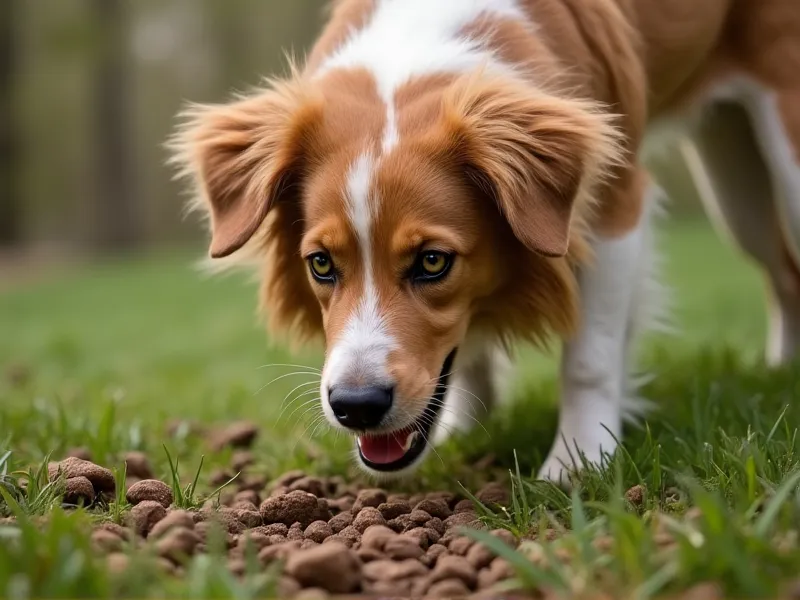
Table of Contents
- What is Chronic Wasting Disease (CWD)?
- Can Dogs Get CWD from Deer Feces? The Definitive Answer
- The (Surprisingly Minimal) “Benefits” of Deer Feces for Dogs
- The Real Risks: Why Deer Poop Isn’t a “Health Food”
- How Much Deer Feces is “Safe” for Dogs? Spoiler: None
- Healthier Alternatives to Satisfy Your Dog’s Urge to Sniff and Chew
- FAQ: Your Most Pressing Questions Answered
- Conclusion: Prioritize Your Dog’s Health (and Sanity!)
1. What is Chronic Wasting Disease (CWD)?
First, let’s get clear on what CWD is—because misinformation can fuel unnecessary panic.
Chronic Wasting Disease is a fatal, contagious neurological disorder that affects deer, elk, moose, and other members of the deer family (cervids). It’s caused by prions—abnormal, misfolded proteins that damage the brain and nervous system. Over time, infected animals develop symptoms like weight loss, stumbling, drooling, and lethargy, eventually leading to death.
CWD spreads through direct contact with infected animals or their bodily fluids (urine, saliva, feces) and can linger in the environment (soil, plants) for years. It’s a growing concern in North America, with cases reported in 30 U.S. states, Canada, and even parts of Europe.
2. Can Dogs Get CWD from Deer Feces? The Definitive Answer
Let’s cut to the chase: There is no scientific evidence that dogs can contract CWD from eating deer feces—or from any exposure to CWD-infected animals.
According to the Centers for Disease Control and Prevention (CDC), CWD has never been documented in humans, dogs, cats, or other domestic animals. The prions that cause CWD are highly species-specific, targeting cervids (deer, elk, etc.) but not other mammals. The American Veterinary Medical Association (AVMA) echoes this, noting that “there is no evidence that CWD poses a risk to domestic animals or humans.”
So, if your dog snarfed down a pile of deer poop, you can breathe a small sigh of relief: CWD isn’t on the table. But that doesn’t mean deer feces is harmless. Let’s dig into why.
3. The (Surprisingly Minimal) “Benefits” of Deer Feces for Dogs
You might be thinking, Why on earth would my dog eat deer poop? There must be some reason, right?
Dogs are scavengers by nature, and their ancestors survived by eating whatever they could find—including feces. Some pet parents even wonder if deer feces offers hidden “nutrients.” Let’s explore the (very) limited potential upsides:
Fiber: A Tiny Silver Lining
Deer are herbivores, so their feces is mostly undigested plant matter—grass, leaves, twigs, and berries. In theory, this could mean a small boost of fiber. But here’s the catch: The fiber in deer poop is poorly digestible for dogs (who are omnivores, not ruminants like deer). Your dog’s gut can’t break down tough plant fibers the way a deer’s can, so the “benefit” is negligible.
Trace Minerals: Not Worth the Risk
Deer feces may contain trace amounts of minerals like potassium or magnesium from the plants they eat. But again, these amounts are tiny—and your dog gets all the minerals they need from a balanced diet. There’s no nutritional gap that deer poop can fill better than their regular food.
In short: Any “benefits” are so minimal, they’re not worth the risks. Speaking of which…
4. The Real Risks: Why Deer Poop Isn’t a “Health Food”
While CWD isn’t a threat, deer feces can carry other dangers. Here are the biggest risks to watch for:
1. Parasites: A Common and Unwelcome Guest
Deer are host to a variety of intestinal parasites, including roundworms, tapeworms, and giardia. These parasites can shed eggs or cysts in deer feces, which your dog can ingest. For example:
- Giardia: A single lick of contaminated feces can give your dog this microscopic parasite, causing diarrhea, vomiting, and weight loss.
- Tapeworms: If your dog eats deer feces containing tapeworm eggs, the eggs can hatch in their intestines, leading to discomfort and nutrient loss.
- Liver flukes: Rare but possible, these parasites can infect dogs who eat feces from infected deer, damaging the liver over time.
2. Bacterial Infections
Deer feces can harbor harmful bacteria like E. coli, Salmonella, or Campylobacter. These bacteria thrive in fecal matter and can cause gastrointestinal upset (vomiting, diarrhea, fever) in dogs. In severe cases, they may lead to dehydration or sepsis.
3. Choking Hazards
Deer feces often contains undigested debris: small stones, sharp twigs, or hard berry seeds. These can get stuck in your dog’s throat, causing choking, or irritate their digestive tract, leading to blockages (especially in small dogs).
4. Toxic Plants or Substances
Deer sometimes eat toxic plants (like poison ivy, oak, or certain mushrooms) or ingest pesticides/herbicides from treated grass. These toxins can pass through their digestive system and end up in their feces. While rare, this could make your dog sick if they eat contaminated poop.
5. The “Ick” Factor (and Behavioral Concerns)
Let’s not forget: Eating feces (a behavior called coprophagia) is unhygienic. It can lead to bad breath, and if your dog licks you afterward, it’s… well, gross. In some cases, coprophagia may signal an underlying issue, like anxiety, nutrient deficiencies, or boredom. More on that later!
5. How Much Deer Feces is “Safe” for Dogs? Spoiler: None
If CWD isn’t a risk, and the benefits are minimal, you might wonder: Is a little deer poop okay? What if my dog only eats it occasionally?
The truth is: There’s no “safe” amount of deer feces for dogs. Even a small serving can expose them to parasites, bacteria, or choking hazards. Occasional ingestion (like a quick snack on a hike) is unlikely to cause severe harm, but frequent feces-eating increases the risk of illness.
If your dog ate deer poop:
- Don’t panic: Most dogs will be fine.
- Monitor for symptoms: Watch for vomiting, diarrhea, lethargy, or loss of appetite over the next 24–48 hours.
- Call your vet if symptoms appear: These could signal parasites, bacteria, or a blockage.
6. Healthier Alternatives to Satisfy Your Dog’s Urge to Sniff and Chew
If your dog is obsessed with eating feces, they’re probably seeking something: boredom relief, a sensory experience, or maybe even a nutrient they’re missing. Here are safer ways to meet those needs:
1. Fiber-Rich Dog Food
If your dog craves “plant matter,” swap deer poop for a high-quality dog food with added fiber. Look for brands that include pumpkin, sweet potato, or beet pulp—ingredients that are digestible and good for their gut.
2. Fresh Veggies (Dog-Safe, of Course!)
Offer small portions of cooked pumpkin (not the pie filling!), sweet potato, or green beans. These are packed with fiber, vitamins, and minerals—no parasites included.
3. Interactive Toys
Many dogs eat feces out of boredom. Keep their minds busy with puzzle toys, treat-dispensing balls, or chew toys (like Kongs stuffed with peanut butter). A tired dog is less likely to scavenge!
4. Probiotics for Gut Health
If your dog’s coprophagia stems from digestive issues (like an imbalanced gut microbiome), talk to your vet about probiotics. A healthy gut may reduce the urge to eat feces.
5. Training: Teach “Leave It!”
The best defense is a good offense! Train your dog to “leave it” or “drop it” so you can redirect them when they fixate on feces. Use positive reinforcement (treats, praise) to reward them for ignoring the temptation.
7. FAQ: Your Most Pressing Questions Answered
Q: My dog ate deer poop. Should I take them to the vet immediately?
A: Not necessarily. Most dogs will be fine. Monitor them for 24–48 hours for symptoms like diarrhea, vomiting, or lethargy. If symptoms appear, call your vet—they may recommend deworming medication or tests for bacteria.
Q: Can CWD spread to other animals, like cats or livestock?
A: No. CWD is species-specific to cervids (deer, elk, etc.). There’s no evidence it affects cats, cows, sheep, or other domestic animals.
Q: How can I stop my dog from eating deer poop?
A:
- Keep them on a leash during walks (especially in wooded areas).
- Use the “leave it” command consistently (reward with high-value treats).
- Keep your yard clean (if deer visit your property, remove feces promptly).
- Ensure they’re getting enough mental and physical exercise (boredom = scavenging!).
Q: Is deer poop more dangerous than other types of feces (like rabbit or squirrel poop)?
A: All feces carries risks (parasites, bacteria), but deer poop is no more or less dangerous than other herbivore feces. The biggest concern is the frequency of ingestion, not the species.
8. Conclusion: Prioritize Your Dog’s Health (and Sanity!)
So, to recap: Dogs can’t get CWD from deer feces, but that doesn’t make it a safe snack. The risks—parasites, bacteria, choking hazards—far outweigh any tiny “benefits.”
As pet parents, our job is to keep our dogs happy and healthy. That means keeping them away from feces when possible, providing a balanced diet, and watching for signs of illness. If your dog is obsessed with eating poop, talk to your vet—they can rule out underlying issues (like nutrient deficiencies or anxiety) and help you curb the behavior.
At the end of the day, a curious dog is a happy dog—but their curiosity doesn’t have to include feces. With a little training, healthy alternatives, and vigilance, you can keep your pup safe, healthy, and (thankfully) poop-free.
References
- Centers for Disease Control and Prevention (CDC). “Chronic Wasting Disease (CWD).” cdc.gov/prions/cwd
- American Veterinary Medical Association (AVMA). “Chronic Wasting Disease (CWD).” avma.org/resources/pet-owners/animal-health/chronic-wasting-disease-cwd
- U.S. Department of Agriculture (USDA). “Chronic Wasting Disease (CWD).” usda.gov/topics/animal-health/cwd
- Tufts University Cummings School of Veterinary Medicine. “Coprophagia in Dogs.” tuftscvm.com/宠物健康