· 8 min read
Can Dogs Eat Peas? Benefits, Risks, and Safe Feeding Guidelines for Pet Parents
Picture this: You’re enjoying a colorful salad or a warm bowl of soup, and your dog—ever the opportunist—stares up at you with those big, soulful eyes, tail thumping like a metronome. On your fork, you notice a single green pea, plump and vibrant. “Surely this tiny veggie can’t hurt,” you think. But before you toss it to your pup, you pause: Can dogs eat peas?
If you’ve ever wondered whether peas are a safe, healthy snack for your furry friend, you’re not alone. As pet parents, we’re hyper-vigilant about what goes into our dogs’ bowls, and with good reason—many human foods can be toxic to pups. But peas? They’re a common pantry staple, and you might be surprised to learn they’re often included in high-quality dog foods.
In this guide, we’ll break down everything you need to know about feeding peas to your dog: the nutritional benefits, potential risks, how much to serve, and even healthier alternatives. Let’s dive in!
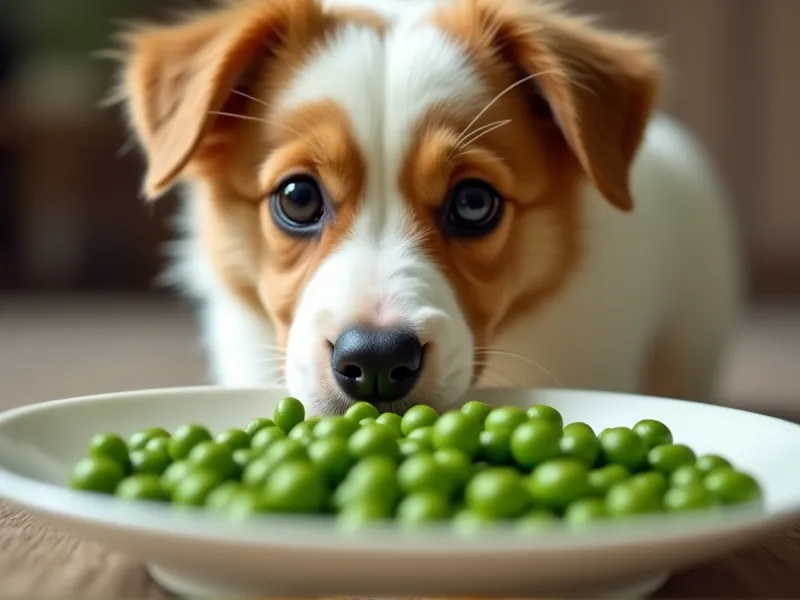
Table of Contents
- Can Dogs Eat Peas? The Short Answer
- Nutritional Benefits of Peas for Dogs
- Potential Risks of Feeding Peas to Dogs
- How Much Peas Can Dogs Eat? Guidelines by Size
- Healthier Alternatives to Peas for Dogs
- FAQ: Common Questions About Dogs and Peas
- Conclusion: Peas as a Treat, Not a Staple
- References
Can Dogs Eat Peas? The Short Answer
Yes, dogs can safely eat peas—in moderation.
Peas are non-toxic to dogs and are actually packed with vitamins, minerals, and fiber that can support your pup’s health. They’re low in calories, making them a great occasional treat, and they’re even included in many commercial dog foods as a nutrient-dense ingredient.
That said, like any human food, peas come with caveats. Overfeeding, choosing the wrong type (e.g., canned peas with added salt), or ignoring portion sizes can lead to digestive upset or other issues. Let’s explore the details!
Nutritional Benefits of Peas for Dogs
Peas are more than just a crunchy addition to your stir-fry—they’re a nutritional powerhouse for dogs, too. Here’s why they might deserve a spot in your pup’s treat rotation:
1. Vitamins for Overall Health
Peas are rich in essential vitamins that support your dog’s body from head to tail:
- Vitamin A: Critical for eye health, immune function, and healthy skin/coat.
- Vitamin K: Helps with blood clotting and bone health (important for active dogs prone to scrapes!).
- Vitamin C: An antioxidant that boosts the immune system and fights inflammation.
- B Vitamins (Thiamine, Folate): Support energy metabolism and brain function—perfect for playful pups!
2. Fiber for Digestion
A single cup of peas contains about 8 grams of fiber, which is great news for your dog’s gut. Fiber helps regulate bowel movements, prevents constipation, and supports a healthy gut microbiome. For dogs with sensitive stomachs or those prone to diarrhea, small amounts of fiber from peas can help “bulk up” stools.
3. Protein for Muscle Support
Peas are a plant-based source of protein (about 8 grams per cup), which helps maintain muscle mass, especially in senior dogs or active breeds. While dogs need animal-based protein as their primary source (they’re omnivores, but thrive on meat), peas can complement their diet.
4. Potassium for Heart & Nerves
Potassium is an electrolyte that supports heart health, muscle function, and nerve transmission. Dogs need potassium to keep their hearts beating steadily and their muscles moving smoothly—important for everything from fetch to napping (yes, even napping requires muscle control!).
5. Low-Calorie & Weight-Friendly
At just 62 calories per cup (cooked), peas are a guilt-free treat for dogs watching their waistlines. If your vet has recommended weight management, swapping high-calorie treats (like cheese or jerky) for peas can help keep calories in check without skimping on flavor.
Potential Risks of Feeding Peas to Dogs
While peas are generally safe, they’re not without risks—especially if overfed or prepared improperly. Here’s what to watch out for:
1. Natural Sugars: Too Much of a Good Thing
Peas contain natural sugars (about 4 grams per cup), which are fine in small doses but can add up quickly. Over time, excess sugar can lead to:
- Weight gain or obesity.
- Increased risk of diabetes (especially in dogs with genetic predispositions).
- Energy spikes and crashes (no one wants a hyper pup at 8 PM!).
2. Digestive Upset from Excess Fiber
Fiber is great for digestion, but too much fiber can backfire. Feeding your dog a large handful of peas (or making them a regular part of meals) may cause:
- Gas and bloating (uncomfortable for your dog—and your nose!).
- Diarrhea or loose stools, especially in dogs with sensitive stomachs.
3. Choking Hazard (Especially for Small Dogs)
Whole peas, whether fresh, frozen, or canned, can pose a choking risk for small breeds (e.g., Chihuahuas, Yorkies) or dogs who gulp their food. The round shape and firm texture make them easy to inhale, leading to choking or even an intestinal blockage in rare cases.
4. Canned Peas = Hidden Salt
Avoid canned peas! Most canned varieties are packed in saltwater or have added sodium to enhance flavor. Dogs need very little salt (about 100 mg per 100 calories of food), and excess salt can cause dehydration, kidney damage, or even sodium ion poisoning. Always opt for fresh or frozen peas instead.
5. Frozen Peas: Proceed with Caution
Frozen peas are a popular summer treat (dogs love the crunch!), but they’re not risk-free. Unthawed frozen peas are hard and cold, which can irritate your dog’s gums or increase choking risk. If you want to use frozen peas, thaw them first—or serve them slightly frozen (not rock-hard) to avoid injury.
How Much Peas Can Dogs Eat? Guidelines by Size
The golden rule for feeding human foods to dogs is moderation. Peas should never replace your dog’s regular, balanced diet—they’re a treat, not a meal. Here’s a general guide based on your dog’s size:
| Dog Size | Daily Pea Serving (Cooked/Fresh) | Why? |
|---|---|---|
| Small (5–20 lbs) | 1–2 tablespoons | Too much can cause gas or diarrhea in tiny tummies. |
| Medium (20–50 lbs) | 2–3 tablespoons | Enough to add nutrients without overloading on sugar/fiber. |
| Large (50+ lbs) | 3–4 tablespoons | Larger dogs can handle more, but stick to treats, not meals. |
Pro Tip: Peas should make up no more than 10% of your dog’s daily calories. For example, a 30-lb dog eating 600 calories per day should have no more than 60 calories from peas—about 3 tablespoons.
Healthier Alternatives to Peas for Dogs
If you’re looking to mix up your dog’s treat routine, or if peas cause digestive issues for your pup, these veggies are even safer and more nutrient-dense:
1. Green Beans
- Why? Lower in sugar than peas (2 grams per cup) and higher in fiber (9 grams per cup). They’re also crunchier, which helps clean teeth!
- How to serve: Fresh, steamed, or frozen (thawed). Avoid canned (too much salt).
2. Carrots
- Why? Rich in vitamin A (great for vision) and low in calories (only 50 calories per cup). The crunch helps reduce plaque buildup.
- How to serve: Raw (sliced into sticks) or cooked. Avoid baby carrots with added preservatives.
3. Broccoli Florets
- Why? Packed with vitamin C and antioxidants. One cup has just 55 calories and 2.6 grams of fiber.
- How to serve: Steamed (raw broccoli can cause gas in some dogs). Limit to 1–2 florets per day (too much can irritate the stomach).
4. Zucchini
- Why? Ultra-low calorie (20 calories per cup!) and high in water content, making it hydrating for dogs. Also a good source of vitamin C.
- How to serve: Sliced raw or cooked (no salt or butter).
FAQ: Common Questions About Dogs and Peas
Q: Can dogs eat canned peas?
A: No. Canned peas are usually packed in saltwater, which is high in sodium. Excess salt can lead to dehydration, kidney damage, or sodium ion poisoning in dogs. Stick to fresh or frozen peas (no added salt).
Q: Are frozen peas safe for dogs?
A: Yes, but thaw them first. Frozen peas are safe, but unthawed peas are hard and cold, which can pose a choking risk or irritate your dog’s gums. Thaw them or serve slightly frozen (not rock-hard) for a cool summer treat.
Q: Can dogs eat snap peas or snow peas?
A: Yes, in moderation. Snap peas and snow peas have edible pods and are safe for dogs. They’re low in calories (41 calories per cup) and high in vitamin C. Serve fresh or steamed—avoid overfeeding (they still have fiber that can cause gas).
Q: My dog ate a whole bag of peas. Should I worry?
A: Monitor for symptoms. A large amount of peas may cause gas, diarrhea, or vomiting. If your dog seems lethargic, refuses food, or has severe diarrhea, contact your vet. Most dogs will recover with rest and a bland diet (e.g., boiled chicken and rice).
Q: Can diabetic dogs eat peas?
A: Yes, but in small amounts. Peas have natural sugars, so check with your vet first. Limit to 1–2 tablespoons per day and monitor blood sugar levels.
Conclusion: Peas as a Treat, Not a Staple
So, can dogs eat peas? Absolutely! When served in moderation, fresh or frozen peas are a safe, nutrient-dense treat that can support your dog’s digestion, heart health, and energy levels. Just avoid canned peas (too much salt), watch portion sizes, and skip whole peas for small dogs to prevent choking.
Remember: Every dog is different. If your pup has a sensitive stomach, diabetes, or kidney issues, consult your vet before adding peas to their diet. And as with any new food, start small—offer a few peas first and see how your dog reacts.
At the end of the day, peas are a fun, healthy way to bond with your dog (who doesn’t love sharing a snack?). Just keep it occasional, and your furry friend will thank you with a wagging tail!
References
- American Kennel Club (AKC). “Can Dogs Eat Peas?” AKC.org.
- PetMD. “Human Foods Dogs Can and Can’t Eat: Peas.” PetMD.com.
- ASPCA. “Toxic and Non-Toxic Plants: Peas.” ASPCA.org.
- Veterinary Centers of America (VCA). “Nutrition for Dogs: Vegetables.” VCAHospitals.com.