· 8 min read
Can Dogs Eat Oats? A Pet Parent’s Guide to Safe, Nutritious Feeding
It’s a quiet Saturday morning. You’re standing at the stove, stirring a pot of warm, fragrant oatmeal—maybe topped with a sprinkle of cinnamon or a drizzle of honey. Beside you, your dog sits, tail thumping, eyes wide and hopeful, as if asking, “Can I have a bite?” If you’ve ever found yourself in this scenario, you’re not alone. As pet parents, we want to share the simple joys of life with our furry friends, but it’s natural to wonder: Is this human food safe for my dog?
Today, we’re diving into one of the most common breakfast staples: oats. Are they a safe, healthy treat for dogs, or should they stay off the menu? Let’s break it down—from nutritional benefits to potential risks, serving guidelines, and even healthier alternatives. By the end, you’ll know exactly how to share a little oat-based love with your pup (if they’re up for it!).
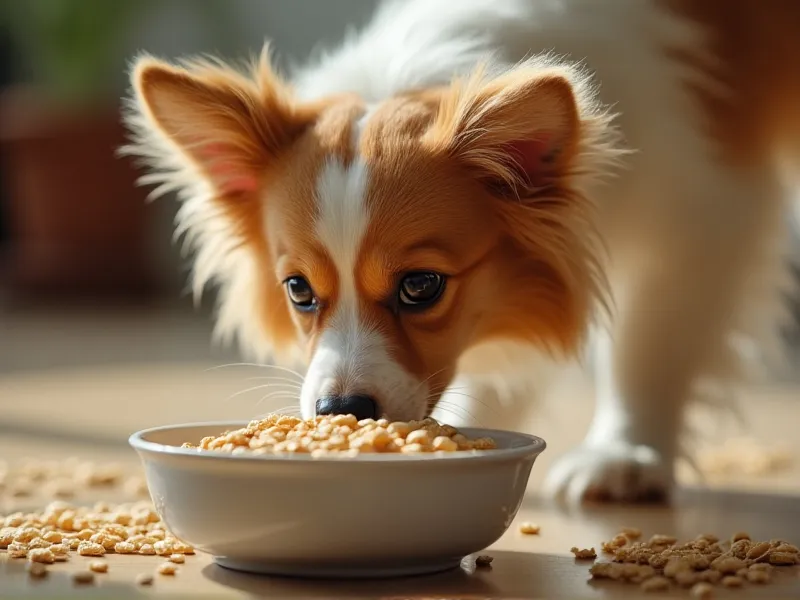
Table of Contents
- Can Dogs Eat Oats? The Short Answer
- Nutritional Benefits of Oats for Dogs
- Potential Risks to Watch For
- How Much Oats Can Dogs Safely Eat?
- Healthier Alternatives to Oats (If Needed)
- FAQ: Your Oats-and-Dogs Questions Answered
- Conclusion: Oats as a Treat, Not a Staple
- References
Can Dogs Eat Oats? The Short Answer
Yes, dogs can eat oats—in moderation. Oats are non-toxic to dogs and, when prepared correctly (think: plain, cooked, and unseasoned), can even offer some health benefits. They’re a whole-grain food rich in fiber, vitamins, and minerals, making them a better choice than many processed dog treats.
However, there’s a catch: how you serve oats matters. Raw oats are hard for dogs to digest and pose a choking risk, so they should always be cooked. Additionally, flavored oats (like those with sugar, honey, raisins, or chocolate) are off-limits—these additives can be harmful or even toxic to dogs.
In short: Plain, cooked oats are a safe, occasional treat for most dogs. But as with any human food, moderation is key.
Nutritional Benefits of Oats for Dogs
Oats aren’t just a bland breakfast food—they’re a nutritional powerhouse for both humans and dogs. Let’s unpack why they might be a good addition to your pup’s diet (in small doses, of course!).
1. Soluble Fiber: A Boon for Digestion and Heart Health
Oats are packed with soluble fiber, specifically beta-glucans. This type of fiber dissolves in water, forming a gel-like substance in the digestive tract. For dogs, this means:
- Better digestion: Beta-glucans help regulate bowel movements, making oats a gentle remedy for both diarrhea (by absorbing excess water) and constipation (by softening stool).
- Heart health: Soluble fiber can also help lower “bad” LDL cholesterol levels by binding to cholesterol in the gut and removing it from the body. While dogs are less prone to high cholesterol than humans, this benefit may still support overall cardiovascular health, especially in senior dogs or those with heart conditions.
2. Essential Vitamins and Minerals
Oats are rich in B vitamins (thiamine, riboflavin, niacin), which play a role in energy production, brain function, and maintaining a healthy coat and skin. They also contain:
- Iron: Supports red blood cell function and oxygen transport.
- Magnesium: Aids muscle and nerve function, as well as bone health.
- Potassium: An electrolyte that helps regulate heart rhythm, muscle contractions, and fluid balance—important for active dogs or those recovering from illness.
3. Gluten-Free (With a Caveat)
Oats themselves are naturally gluten-free, making them a safe option for dogs with gluten sensitivities or allergies (though true gluten allergies are rare in dogs). However, cross-contamination can occur during processing, so if your dog has a severe gluten sensitivity, opt for certified gluten-free oats to avoid traces of wheat, barley, or rye.
Potential Risks to Watch For
While oats are generally safe, there are a few risks to keep in mind to ensure your dog stays happy and healthy.
1. Added Sugars and Flavors: A Big No-No
The biggest risk with oats comes from how they’re prepared. Flavored instant oats, oatmeal packets, or homemade oats with added sugar, honey, maple syrup, or artificial sweeteners are dangerous for dogs.
- Sugar: Excess sugar leads to obesity, dental issues, and even diabetes in dogs.
- Honey: While small amounts of honey aren’t toxic to most dogs, it’s high in sugar and can contain botulism spores, which are dangerous for puppies under 12 weeks old (their immune systems aren’t strong enough to fight the bacteria).
- Xylitol: An artificial sweetener found in some “sugar-free” oats or toppings—extremely toxic to dogs, even in small amounts. It causes a rapid drop in blood sugar and liver failure.
Always choose plain, unflavored oats and cook them with water or low-sodium broth (no milk—many dogs are lactose intolerant!).
2. Stomach Upset from Too Much Fiber
Oats are high in fiber, which is great in moderation—but too much can backfire. Feeding your dog a large portion of oats (or introducing them too quickly) may lead to:
- Bloating
- Gas
- Diarrhea
- Vomiting
Start with small amounts and monitor your dog’s stool and behavior to ensure they tolerate oats well.
3. Choking Hazard (Raw Oats)
Raw oats are dry, hard, and difficult for dogs to chew and swallow. They can get stuck in your dog’s throat, posing a choking risk, especially for small breeds or dogs who gulp their food. Always cook oats thoroughly to soften them before serving. Cooked oats are easier to digest and far safer.
4. Cross-Contamination with Gluten
As mentioned earlier, oats are often processed in facilities that handle gluten-containing grains. If your dog has a confirmed gluten sensitivity, cross-contaminated oats could trigger an allergic reaction (e.g., itchy skin, ear infections, digestive upset). Stick to certified gluten-free oats to avoid this risk.
How Much Oats Can Dogs Safely Eat?
The golden rule: Oats should be a treat, not a replacement for your dog’s regular, balanced dog food. The amount depends on your dog’s size, weight, and activity level. Here’s a general guideline:
| Dog Size | Example Breed | Cooked Oats per Serving (Treat) |
|---|---|---|
| Small (5-20 lbs) | Chihuahua, Yorkie | 1–2 tablespoons |
| Medium (20-50 lbs) | Beagle, Cocker Spaniel | 2–3 tablespoons |
| Large (50+ lbs) | Labrador, German Shepherd | ¼–½ cup |
Note: Adjust based on your dog’s individual needs. For example, less active or overweight dogs may need smaller portions.
Never feed oats more than 1–2 times per week, and always subtract the calories from their daily treat allowance to avoid weight gain.
Healthier Alternatives to Oats (If Needed)
Not all dogs love oats, and some may have trouble digesting them. If oats don’t agree with your pup, here are a few healthy alternatives to try:
1. Quinoa
A complete protein (contains all nine essential amino acids) and rich in fiber, iron, and magnesium. Cooked plain, it’s easy to digest and great for dogs needing extra protein (e.g., seniors, active dogs).
2. Brown Rice
A whole grain with fiber, B vitamins, and manganese. It’s gentler on the stomach than oats for some dogs and a common ingredient in hypoallergenic dog foods.
3. Sweet Potatoes
Cooked, plain sweet potatoes are a favorite among dogs. They’re high in fiber, beta-carotene (vitamin A for eye health), and potassium—plus, they’re naturally sweet, so no need for added sugar!
4. Pumpkin (Canned, Unsweetened)
Canned pumpkin (not pumpkin pie filling!) is a go-to for digestive issues. It’s high in fiber and beta-carotene, and most dogs love the taste. Mix a tablespoon into their food for a nutrient boost.
FAQ: Your Oats-and-Dogs Questions Answered
Q: Can dogs eat oatmeal cookies?
A: No. Oatmeal cookies contain sugar, butter, chocolate, raisins, or other additives that are toxic or unhealthy for dogs. Stick to plain, cooked oats instead.
Q: Can puppies eat oats?
A: Yes, but in very small amounts (e.g., 1 teaspoon cooked oats for a toy breed puppy). Puppies have sensitive tummies, so introduce oats slowly and avoid honey or sweeteners.
Q: Are raw oats ever okay for dogs?
A: No. Raw oats are hard to digest and pose a choking risk. Always cook oats until soft and fluffy.
Q: Can oats help with my dog’s diarrhea or constipation?
A: Yes! The soluble fiber in oats can regulate bowel movements:
- For diarrhea: Oats absorb excess water, firming up stool.
- For constipation: Oats add bulk and soften stool, making it easier to pass.
Always consult your vet first if your dog has ongoing digestive issues—they may need medical treatment.
Q: My dog has diabetes. Can they eat oats?
A: Oats have a moderate glycemic index (GI), meaning they don’t spike blood sugar as quickly as white rice or bread. In small amounts, they may be okay for dogs with diabetes, but ask your vet first to ensure it fits their dietary plan.
Conclusion: Oats as a Treat, Not a Staple
So, can dogs eat oats? Absolutely—when served plain, cooked, and in moderation. They’re a nutrient-dense treat that can support digestion, heart health, and overall wellness for most dogs. Just remember:
- Avoid flavored or sweetened oats.
- Cook thoroughly to prevent choking and aid digestion.
- Start small and monitor for stomach upset.
- Never replace your dog’s regular, balanced dog food with oats.
Every dog is unique, so if your pup has allergies, chronic health issues (like diabetes or kidney disease), or is on a special diet, always consult your vet before adding oats to their meals.
At the end of the day, sharing a little bowl of warm, plain oatmeal with your dog is a sweet (and healthy!) way to bond—just make sure it’s a occasional treat, not a daily habit. Your pup will thank you with wagging tails and happy licks!
References
- American Society for the Prevention of Cruelty to Animals (ASPCA). “People Foods to Avoid Feeding Your Pets.” aspca.org
- American Kennel Club (AKC). “Can Dogs Eat Oatmeal?” akc.org
- VCA Animal Hospitals. “Dietary Fiber for Dogs.” vcahospitals.com
- PetMD. “Oatmeal for Dogs: Benefits & Risks.” petmd.com
- World Small Animal Veterinary Association (WSAVA). “Nutrition Toolkit for Pet Owners.” wsava.org