· 9 min read
Can Dogs Eat Zucchini or Squash? A Pet Parent’s Guide to Safe Snacking
You’re chopping up fresh zucchini for tonight’s stir-fry when your dog trots over, nose twitching, tail thumping against the cabinet. Those big, hopeful eyes seem to say, “Share? Please?” Like many pet parents, you want to spoil your pup—but you also want to keep them safe. After all, some human foods are toxic to dogs, while others are surprisingly healthy. So, where do zucchini and squash land? Can dogs eat these veggies, or should you keep them off the menu?
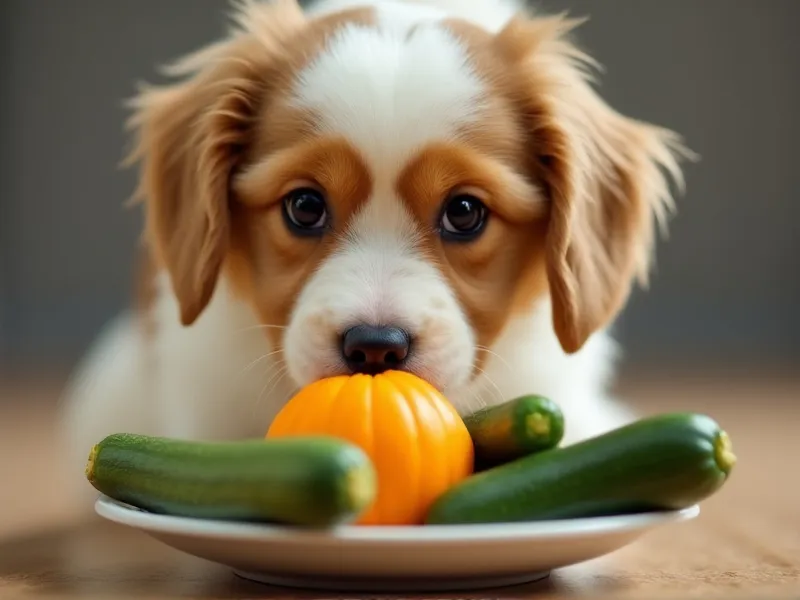
Table of Contents
- Can Dogs Eat Zucchini or Squash? The Short Answer
- Nutritional Benefits: Why Zucchini and Squash Might Be a Healthy Treat
- Potential Risks: What to Watch Out For
- How Much Zucchini or Squash Can Dogs Safely Eat?
- Healthier Alternatives (or Complements) to Zucchini and Squash
- FAQ: Common Questions About Dogs and Zucchini/Squash
- Conclusion: Moderation is Key
Can Dogs Eat Zucchini or Squash? The Short Answer
Yes, dogs can safely eat zucchini and most types of squash—as long as they’re served plain, unseasoned, and in moderation. These veggies are low in calories, packed with nutrients, and generally gentle on a dog’s digestive system.
Unlike onions, garlic, or grapes (which are toxic to dogs), zucchini and squash are non-toxic and even offer health perks. The American Society for the Prevention of Cruelty to Animals (ASPCA) doesn’t list any common culinary squash (like zucchini, butternut, or acorn) as harmful to pets, making them a better alternative to high-calorie treats like cookies or chips.
But before you start tossing zucchini slices into your dog’s bowl, there are a few things to know: portion size matters, preparation is key, and some dogs may have sensitivities. Let’s dive into the details.
Nutritional Benefits: Why Zucchini and Squash Might Be a Healthy Treat
Zucchini and squash aren’t just “filler” veggies—they’re nutrient powerhouses. Here’s why they might make a great addition to your dog’s treat rotation:
1. Low in Calories, High in Fiber
If your dog needs to shed a few pounds (or you want to avoid weight gain), zucchini and squash are ideal. A cup of cooked zucchini has only about 20 calories, while a cup of cooked butternut squash has around 80 calories—both far lower than most commercial dog treats (which can pack 30–50 calories per tiny biscuit).
They’re also rich in dietary fiber, which supports healthy digestion by keeping things moving in the gut. Fiber can help prevent constipation and may even aid in weight management by making your dog feel full longer. According to PetMD, fiber is essential for a balanced canine diet, and veggies like zucchini are a great way to add it without extra calories.
2. Vitamins A and C for Immune and Eye Health
Zucchini and squash are loaded with vitamin A, an antioxidant that supports eye health, skin health, and a strong immune system. For dogs, vitamin A is crucial for maintaining good vision (especially night vision) and a shiny coat.
They also contain vitamin C, another antioxidant that helps fight off free radicals and supports collagen production (important for joint and skin health). While dogs can produce some vitamin C on their own, supplementation through food can be beneficial, especially for older dogs or those with stress-related conditions.
3. Potassium for Heart and Muscle Function
Potassium is an electrolyte that helps regulate heart rate, muscle contractions, and fluid balance. Zucchini and squash are good sources of this mineral—one cup of cooked zucchini has about 295 mg of potassium, while butternut squash has around 582 mg.
Adequate potassium intake can support your dog’s cardiovascular health and help prevent muscle weakness. The American Kennel Club (AKC) notes that potassium is an essential nutrient for dogs, and veggies like zucchini are a natural way to include it in their diet.
4. Hydration (Especially Zucchini!)
Zucchini is about 95% water, making it a hydrating snack—perfect for hot days or dogs who don’t drink enough water. Adding a few zucchini slices to their bowl can help boost their fluid intake without adding sugar or calories.
Bonus: Variety of Squash = Variety of Benefits
Not all squashes are created equal, but most edible varieties are safe and nutritious for dogs. Here’s a quick breakdown:
- Zucchini: Lowest in calories, highest in water content, great for hydration and fiber.
- Butternut Squash: Slightly sweeter, higher in vitamin A and potassium than zucchini.
- Acorn Squash: Rich in fiber and vitamin C, with a nutty flavor some dogs love.
- Spaghetti Squash: High in fiber and low in calories, with a fun “noodle” texture that can replace high-carb foods in small amounts.
Potential Risks: What to Watch Out For
While zucchini and squash are generally safe, there are a few risks to keep in mind:
1. Natural Sugar in Squash (Moderation is Key!)
Some squashes, like butternut or pumpkin (yes, pumpkin is a squash!), have more natural sugar than zucchini. For example, a cup of cooked butternut squash has about 10 grams of sugar, compared to zucchini’s 3 grams.
Too much sugar—even natural sugar—can lead to weight gain, dental issues, or blood sugar spikes, especially in dogs with diabetes. If your dog has diabetes or is overweight, stick to lower-sugar options like zucchini, and always check with your vet first.
2. Stomach Upset from Too Much Fiber
While fiber is good for digestion, too much too fast can cause diarrhea, gas, or bloating. This is especially true if your dog isn’t used to high-fiber foods. Start with a tiny portion (like a few slices of zucchini) and gradually increase it over a few days to see how their stomach reacts.
3. Choking Hazards (Raw or Large Chunks)
Raw zucchini or squash can be hard and crunchy, which may pose a choking risk—especially for small dogs or those who gulp their food. Even cooked squash can be a hazard if cut into large chunks.
To avoid this, chop veggies into bite-sized pieces (about the size of your dog’s kibble) and cook them until soft if your dog struggles with chewing. Avoid serving raw veggies to puppies, senior dogs, or dogs with dental issues.
4. Toxic Seasonings (Never Add These!)
The biggest risk isn’t the veggies themselves—it’s what you put on them. Never feed your dog zucchini or squash that’s been cooked with garlic, onions, salt, butter, oil, or spices.
Garlic and onions are toxic to dogs (they can damage red blood cells), while salt can lead to sodium ion poisoning (symptoms include vomiting, diarrhea, and seizures). Even small amounts of these seasonings can be harmful, so always serve veggies plain.
5. Pesticides on Unwashed Veggies
Like all produce, zucchini and squash may have pesticide residues. To keep your dog safe, wash veggies thoroughly before serving, or opt for organic if possible. Peeling the skin can also reduce pesticide exposure, though the skin is where most of the fiber and nutrients live—so it’s a trade-off.
How Much Zucchini or Squash Can Dogs Safely Eat?
The golden rule for treats: They should make up no more than 10% of your dog’s daily calorie intake. The rest should come from a balanced dog food.
Here’s a general guide based on your dog’s weight:
| Dog Size | Daily Calorie Intake* | Max Zucchini/Squash (Cooked, Plain) |
|---|---|---|
| Small (10 lbs) | ~300 calories | 1–2 tbsp (about 10–20 calories) |
| Medium (30 lbs) | ~600 calories | 1/4 cup (about 20–40 calories) |
| Large (60 lbs) | ~1,000 calories | 1/2 cup (about 40–80 calories) |
Calorie estimates vary by age, activity level, and health. Check your dog’s food label for exact calorie counts.
Pro Tips for Serving:
- Cook it: Steamed, boiled, or baked (no oil!) is easier to digest than raw, especially for sensitive stomachs.
- Mash it: For picky eaters or small dogs, mash cooked squash into their kibble for a nutrient boost.
- Freeze it: Freeze zucchini slices for a cool, crunchy summer treat (great for teething puppies!).
Healthier Alternatives (or Complements) to Zucchini and Squash
If your dog isn’t a fan of zucchini or squash, or you want to mix up their treats, these veggies are also safe and nutritious:
1. Green Beans
Low in calories, high in fiber, and crunchy—green beans are a classic dog favorite. They’re even recommended by the AKC as a weight-loss treat.
2. Carrots
Rich in vitamin A and low in calories, carrots are great for dental health (the crunch helps scrape plaque!).
3. Cucumber
Like zucchini, cucumber is 95% water—hydrating and low-cal. Remove the seeds first to avoid gas.
4. Pumpkin (Plain, Canned)
Plain, unsweetened pumpkin is a go-to for upset tummies (thanks to fiber and potassium). It’s technically a squash, but worth mentioning separately!
5. Blueberries
Tiny, sweet, and packed with antioxidants—blueberries are a fun, healthy snack for dogs.
FAQ: Common Questions About Dogs and Zucchini/Squash
Q: Can dogs eat raw zucchini?
A: Yes, but only if cut into small, bite-sized pieces to avoid choking. Raw zucchini is safe for most dogs, but some may find it hard to digest. If your dog has a sensitive stomach, cook it first.
Q: Is butternut squash safe for dogs?
A: Yes! Butternut squash is safe and nutritious, but it has more sugar than zucchini. Stick to small portions (1–2 tbsp for small dogs, 1/4 cup for medium dogs) to avoid stomach upset or weight gain.
Q: My dog ate too much zucchini—what should I do?
A: If your dog gobbled a large amount, watch for diarrhea, gas, or bloating. Most dogs will be fine, but contact your vet if symptoms last more than 24 hours or are severe (e.g., vomiting, lethargy).
Q: Can puppies eat zucchini or squash?
A: Yes, but start with tiny portions (like a teaspoon of cooked zucchini) to avoid upsetting their developing tummies. Puppies have sensitive digestive systems, so introduce new foods slowly.
Q: Are there any squashes toxic to dogs?
A: Ornamental squashes (like decorative gourds) or wild squash may be toxic, but common culinary squashes (zucchini, butternut, acorn, etc.) are safe. Always stick to veggies you’d eat yourself!
Conclusion: Moderation is Key
Zucchini and squash are safe, healthy treats for most dogs—offering fiber, vitamins, and hydration with minimal calories. They’re a great way to mix up your dog’s diet, support digestion, or help with weight management.
Just remember: plain, unseasoned, and in small portions. Avoid adding salt, butter, or spices, and chop veggies into bite-sized pieces to prevent choking. If your dog has health issues (like diabetes or kidney disease), check with your vet before adding new foods.
At the end of the day, every dog is different. Some may beg for zucchini slices, while others turn up their nose—and that’s okay! The best treats are the ones that keep your pup happy, healthy, and wagging for more.
Sources: American Kennel Club (AKC), PetMD, ASPCA, and the National Research Council’s “Nutrient Requirements of Dogs and Cats.”