· 7 min read
Can Dogs Eat Zucchini and Yellow Squash? A Pet Parent’s Guide to Safe Snacking
Picture this: It’s a sunny Saturday afternoon, and you’re firing up the grill for a summer cookout. You’ve got a pile of fresh zucchini and yellow squash—sliced, seasoned, and ready to char. As you lean over the grill, you feel a wet nose nudge your hand. There’s your pup, tail wagging, eyes locked on the veggies. “Can they have a bite?” you wonder. “Are zucchini and yellow squash safe for dogs?”
If you’ve ever asked yourself this question, you’re not alone. Pet parents everywhere are always on the hunt for healthy, low-calorie treats to spoil their furry friends—without risking their health. Zucchini and yellow squash are staples in human diets for their crunch, flavor, and nutrition, but do they make the cut for dogs?
In this guide, we’ll break down everything you need to know: whether these veggies are safe, their nutritional benefits, potential risks, how much to feed, and even healthier alternatives if your dog turns up their nose. Let’s dive in!
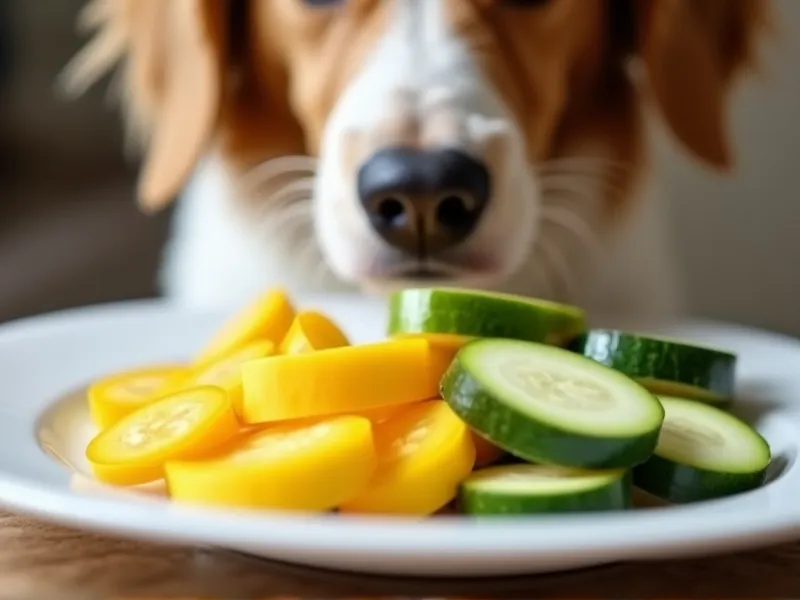
Table of Contents
- Can Dogs Eat Zucchini & Yellow Squash? The Short Answer
- Nutritional Benefits: Why These Veggies Are a Win for Dogs
- Potential Risks: What to Watch Out For
- How Much Zucchini & Squash Can Dogs Eat? Feeding Guidelines
- Healthier Alternatives (If Your Pup Isn’t a Fan)
- FAQ: Your Top Questions Answered
- Conclusion: Moderation is Key
- References
Can Dogs Eat Zucchini & Yellow Squash? The Short Answer
Yes! Both zucchini and yellow squash are safe for dogs to eat—in moderation, and when prepared properly. These summer veggies are low in calories, high in fiber, and packed with nutrients that can support your dog’s health. They’re not toxic, and most dogs enjoy their mild, crunchy texture (especially when cooked!).
That said, how you serve them matters. Let’s break down the benefits, risks, and best practices to keep your pup happy and healthy.
Nutritional Benefits: Why These Veggies Are a Win for Dogs
Zucchini and yellow squash (both members of the Cucurbita pepo family, along with cucumbers and pumpkins) are nutritional powerhouses for dogs. Here’s why they’re worth adding to your pup’s treat rotation:
1. Low-Calorie, High-Fiber Goodness
At just 17 calories per cup (raw), zucchini and yellow squash are ideal for dogs watching their weight. Obesity is a top health concern for dogs, leading to diabetes, joint pain, and heart issues. These veggies offer a satisfying crunch without the empty calories of processed treats.
Fiber is another star here: A cup of cooked zucchini has 1.5 grams of fiber, which supports healthy digestion by keeping things moving in the gut. It also helps dogs feel full longer, curbing overeating.
2. Packed with Vitamins & Minerals
These veggies are loaded with nutrients dogs need:
- Vitamin A: Supports eye health, immune function, and skin/coat health (important for dogs prone to dry skin).
- Vitamin C: An antioxidant that boosts immunity and fights inflammation.
- Vitamin K: Aids blood clotting and bone health (especially for senior dogs at risk of osteoporosis).
- Potassium: Regulates heart function and muscle health—critical for active pups!
- Folate (Vitamin B9): Supports cell repair and growth, making it great for puppies and pregnant dogs.
3. Low Sugar, High Hydration
Dogs don’t need added sugar, and zucchini/squash deliver: Just 3 grams of natural sugar per cup. This makes them safe for dogs with diabetes or insulin resistance. They’re also 95% water, helping keep your pup hydrated on hot days (perfect for replacing calorie-dense treats!).
Potential Risks: What to Watch Out For
While zucchini and yellow squash are generally safe, there are a few risks to keep in mind—most of which are avoidable with proper preparation.
1. Stomach Upset from Overfeeding
Even healthy foods can cause digestive issues if overdone. Too much zucchini or squash (especially raw) may lead to:
- Diarrhea
- Gas
- Bloating
This is because the fiber, while beneficial in small amounts, can overwhelm a dog’s gut if fed in large quantities. Start small and monitor your pup’s reaction!
2. Choking Hazard (If Not Sliced Properly)
Raw or large chunks of zucchini/squash can pose a choking risk, especially for small dogs or those who gulp their food. Always chop them into bite-sized pieces (think: pea-sized for Chihuahuas, dime-sized for Labs) to prevent choking or intestinal blockages.
3. Pesticides & Seasonings
Never serve zucchini or squash with added seasonings! Garlic, onion, salt, pepper, or butter are toxic to dogs (garlic and onion damage red blood cells, while salt can cause sodium ion poisoning).
If you’re not using organic veggies, wash them thoroughly to remove pesticides. Peeling is optional, but some dogs may struggle with tough skin—peel if your pup has a sensitive stomach.
4. Raw vs. Cooked: Which Is Better?
Raw zucchini/squash isn’t toxic, but cooked is easier to digest (especially for puppies, seniors, or dogs with sensitive tummies). Cooking softens the fiber, making nutrients more bioavailable. Avoid boiling (it leaches nutrients); instead, steam, roast, or grill (plain!) for maximum crunch and nutrition.
How Much Zucchini & Squash Can Dogs Eat? Feeding Guidelines
Zucchini and yellow squash should be treats, not a replacement for your dog’s balanced kibble or wet food. A good rule of thumb: Treats should make up no more than 10% of your dog’s daily calories.
Here’s a general serving guide based on your dog’s size:
| Dog Size | Daily Serving (Cooked, Chopped) | Example for Reference |
|---|---|---|
| Small (5-20lbs) | 1–2 tablespoons | Yorkie, Shih Tzu |
| Medium (20-50lbs) | 1/4–1/2 cup | Cocker Spaniel, Bulldog |
| Large (50+lbs) | 1/2–3/4 cup | Golden Retriever, Great Dane |
Pro tip: Introduce new foods gradually. Start with 1-2 small pieces, wait 24 hours, and if there’s no diarrhea/gas, slowly increase the portion.
Healthier Alternatives (If Your Pup Isn’t a Fan)
Not all dogs love zucchini or squash—and that’s okay! If your pup turns up their nose, try these equally healthy alternatives:
- Carrots: Crunchy, high in vitamin A, and great for teeth.
- Green Beans: Low-cal, high-fiber, and a favorite for weight loss.
- Sweet Potatoes (cooked): Rich in beta-carotene and fiber (avoid raw—hard to digest).
- Pumpkin (plain, unsweetened): Soothes upset tummies and aids digestion.
All these options are low-cal, nutrient-dense, and safe for dogs in moderation!
FAQ: Your Top Questions Answered
Q: Can dogs eat raw zucchini?
A: Yes, but cooked is easier to digest. Raw is okay for dogs with strong stomachs, but slice it thinly to avoid choking.
Q: Is yellow squash better than zucchini for dogs?
A: They’re nutritionally similar! Yellow squash has slightly more vitamin C, while zucchini has a bit more vitamin A. Both are safe—pick whichever your pup prefers.
Q: Can puppies eat zucchini?
A: Yes, but wait until they’re 6+ months old (when their digestive systems are more mature). Start with 1-2 teaspoons of cooked, mashed squash to avoid upset.
Q: My dog ate too much zucchini—what should I do?
A: Monitor for diarrhea, vomiting, or lethargy. If symptoms last more than 24 hours, contact your vet. Most cases resolve with rest and a bland diet (like boiled chicken and rice).
Q: Are zucchini seeds safe for dogs?
A: Yes! The small seeds are soft and digestible. No need to remove them.
Conclusion: Moderation is Key
Zucchini and yellow squash are safe, healthy treats for dogs when served plain, cooked, and in moderation. They’re low-cal, high-fiber, and packed with vitamins that support your pup’s overall health. Just remember:
- Chop into small pieces to avoid choking.
- Skip the seasonings and wash thoroughly.
- Start small and monitor for digestive upset.
As with any new food, if your dog has underlying health issues (like kidney disease or diabetes), check with your vet first. Every pup is unique, and a professional can help tailor treats to their needs.
So next time you’re grilling zucchini or roasting squash, share a little with your furry friend—they’ll thank you for the crunchy, healthy snack!
References
- American Society for the Prevention of Cruelty to Animals (ASPCA). “People Foods to Avoid Feeding Your Pets.” aspca.org/pet-care/animal-poison-control/people-foods-avoid-feeding-your-pets
- American Kennel Club (AKC). “Can Dogs Eat Zucchini?” akc.org/expert-advice/nutrition/can-dogs-eat-zucchini
- VCA Hospitals. “Vegetables for Dogs: Which Are Safe?” vcahospitals.com/know-your-pet/vegetables-for-dogs-which-are-safe
- PetMD. “The Best Vegetables for Dogs: A Guide to Healthy Snacking.” petmd.com/dog/nutrition/best-vegetables-dogs-guide-healthy-snacking