· 7 min read
Can Dogs Eat Yellow Bell Peppers? A Pet Parent’s Guide to Safe Snacking
You’re chopping up a crisp, sunny yellow bell pepper for your afternoon salad when your dog trots over, tail wagging, and gives you that “please share” look. We’ve all been there—curious pups eyeing our snacks, making us wonder: Is this human food safe for my furry friend? When it comes to yellow bell peppers, the answer is… mostly good news! But before you toss them a slice, let’s break down the benefits, risks, and how to serve this vibrant veggie safely.
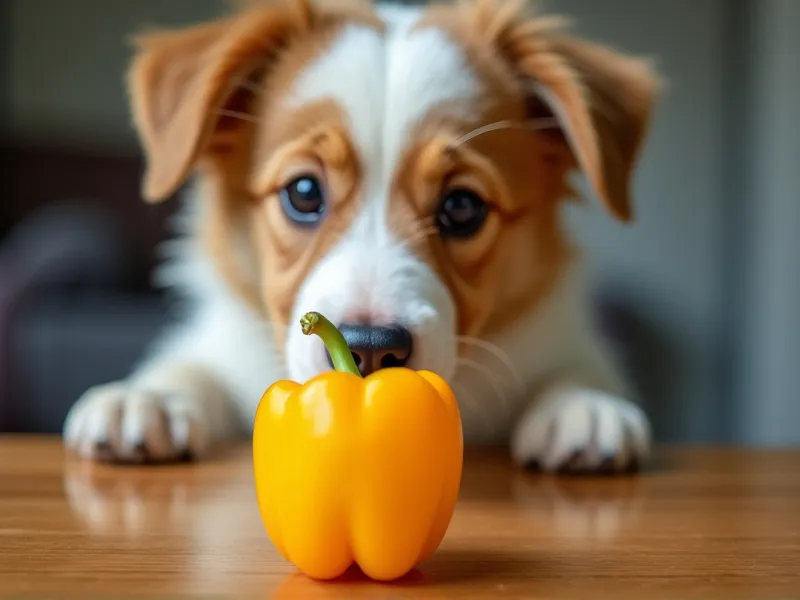
Table of Contents
- Introduction: The Curious Case of Bell Peppers & Dogs
- Can Dogs Eat Yellow Bell Peppers? The Short Answer
- The Benefits: Why Yellow Bell Peppers Might Be a Healthy Treat
- The Risks: What to Watch Out For
- How Much Yellow Bell Pepper Can Dogs Eat? Guidelines by Size
- Healthier Alternatives (When Yellow Peppers Aren’t the Best Choice)
- FAQ: Your Top Questions Answered
- Conclusion: Moderation is Key
As pet parents, we’re hyper-aware of what goes into our dogs’ bowls. After all, their health depends on it! While commercial dog food is formulated to meet their nutritional needs, it’s natural to want to share fresh, whole foods—like the colorful bell peppers in your crisper. But not all human foods are safe for dogs (looking at you, chocolate and onions!). So where do yellow bell peppers land? Let’s dive in.
Can Dogs Eat Yellow Bell Peppers? The Short Answer
Yes, dogs can safely eat yellow bell peppers—in moderation. These bright veggies are non-toxic, low in calories, and packed with nutrients that can benefit your pup. However, like any human food, they come with a few caveats (more on that later!). Think of yellow bell peppers as an occasional treat, not a replacement for your dog’s regular meals.
The Benefits: Why Yellow Bell Peppers Might Be a Healthy Treat
Yellow bell peppers aren’t just crunchy and tasty—they’re nutritional powerhouses! Here’s how their key nutrients can support your dog’s health:
Vitamin C: More Than Just a Cold Fighter
You might associate vitamin C with immune support, and you’re not wrong! Yellow bell peppers are loaded with vitamin C—even more than oranges (about 183 mg per cup, compared to an orange’s 70 mg!). While dogs can produce their own vitamin C, extra doses may help:
- Boost immunity, especially for senior dogs or those under stress.
- Support collagen production for healthy skin, joints, and blood vessels.
- Act as an antioxidant to reduce inflammation.
Vitamin A: For Shiny Coats and Sharp Eyes
Yellow bell peppers are rich in beta-carotene, which converts to vitamin A in the body. Vitamin A is essential for dogs, aiding in:
- Eye health (think night vision and preventing dry eyes).
- Skin and coat health (reducing flakiness and promoting shine).
- Immune function (keeping infections at bay).
Fiber: Keeping Digestion on Track
Fiber is a unsung hero for digestive health, and yellow bell peppers deliver! A cup of sliced yellow peppers has about 2.5 grams of fiber, which can:
- Regulate bowel movements (goodbye, constipation!).
- Support a healthy gut microbiome.
- Help your dog feel full, which is great for weight management.
Potassium: Supporting Heart & Muscle Health
Potassium is vital for maintaining healthy heart function, muscle contraction, and fluid balance. Yellow bell peppers contain potassium (about 211 mg per cup), which works with sodium to keep your dog’s heart rhythm steady and muscles strong.
Antioxidants: Fighting Free Radicals
Yellow bell peppers are packed with antioxidants like lutein and zeaxanthin, which protect cells from damage caused by free radicals. This may lower the risk of chronic diseases and support overall longevity.
The Risks: What to Watch Out For
While yellow bell peppers are generally safe, they’re not without risks. Here’s what to keep in mind:
Natural Sugars: Too Much of a Good Thing?
Yellow bell peppers are sweeter than their green counterparts (thanks to higher sugar content: about 4.2 grams per cup, vs. green’s 2.4 grams). While natural sugars are better than added sugars, overdoing it can lead to:
- Weight gain (extra calories add up!).
- Blood sugar spikes, which is risky for dogs with diabetes.
- Dental issues (sugar feeds plaque-causing bacteria).
Stomach Upset: Fiber Overload
Fiber is great, but too much fiber can backfire, especially for dogs with sensitive tummies. Symptoms of fiber overload include:
- Gas, bloating, or diarrhea.
- Vomiting (rare, but possible in extreme cases).
Choking Hazard: Size Matters
Bell peppers are crunchy, but their shape can pose a choking risk—especially for small dogs or greedy eaters. Always slice peppers into tiny, bite-sized pieces (think: dime-sized for small breeds, nickel-sized for larger ones) to prevent choking.
Pesticides: A Hidden Risk
Conventionally grown bell peppers often have pesticide residues, which can irritate your dog’s stomach or even be toxic in large amounts. To reduce this risk:
- Wash peppers thoroughly under running water.
- Opt for organic bell peppers when possible.
How Much Yellow Bell Pepper Can Dogs Eat? Guidelines by Size
The golden rule: treat, not a meal. Yellow bell peppers should make up no more than 10% of your dog’s daily calorie intake. Here’s a rough guide based on your dog’s size:
| Dog Size | Serving Size | Frequency |
|---|---|---|
| Small (≤20 lbs) | 1–2 thin slices (about 1–2 tbsp) | 1–2 times/week |
| Medium (21–50 lbs) | 3–4 slices (about 3–4 tbsp) | 1–2 times/week |
| Large (51–100+ lbs) | ¼ to ½ of a small pepper (chopped) | 1–2 times/week |
Pro tip: Introduce yellow bell peppers slowly. Start with a tiny piece, wait 24 hours, and watch for signs of stomach upset (diarrhea, gas) before offering more.
Healthier Alternatives (When Yellow Peppers Aren’t the Best Choice)
If your dog has a sensitive stomach, diabetes, or you’re just looking for lower-sugar options, try these alternatives:
- Green bell peppers: Less sugar (2.4g/cup) and just as crunchy!
- Carrots: High in fiber, vitamin A, and low in calories—great for teeth!
- Cucumber: 96% water, hydrating, and virtually sugar-free.
- Green beans: Crunchy, high in fiber, and a favorite for weight loss.
FAQ: Your Top Questions Answered
Q: Can puppies eat yellow bell peppers?
A: Yes, but in very small amounts. Puppies have sensitive tummies, so start with a tiny slice (think: pinky nail-sized) and monitor for reactions.
Q: Are bell pepper seeds toxic to dogs?
A: No, seeds are safe, but some dogs find them bitter. If your pup turns up their nose, you can remove the seeds—no harm done!
Q: Can dogs eat cooked yellow bell peppers?
A: Yes! Cooking softens the texture (good for senior dogs or those with dental issues), but avoid adding salt, oil, garlic, or onions (all toxic to dogs).
Q: My dog ate a whole yellow bell pepper—should I panic?
A: Probably not! A whole pepper is unlikely to be toxic, but watch for stomach upset (diarrhea, gas). If symptoms last more than 24 hours, call your vet.
Q: Are other colored bell peppers (red, orange) safe too?
A: Yes! Red and orange peppers are also safe, but they’re sweeter than yellow (red has ~5.5g sugar/cup). Stick to smaller portions for these.
Conclusion: Moderation is Key
Yellow bell peppers can be a fun, healthy treat for your dog—packed with vitamins, fiber, and crunch they’ll love. Just remember: moderation is everything. Stick to small portions, slice carefully, and watch for signs of stomach upset. And if your dog has health issues (like diabetes or IBS), always check with your vet first.
At the end of the day, sharing a tiny slice of yellow bell pepper is a great way to bond with your pup—just make sure their main diet stays balanced with high-quality dog food. Happy snacking!
References:
- American Kennel Club (AKC). “Can Dogs Eat Bell Peppers?” AKC.org
- PetMD. “Human Foods Dogs Can and Can’t Eat.” PetMD.com
- Veterinary Centers of America (VCA). “Vitamin C for Dogs.” VCAHospitals.com