· 11 min read
Can Dogs Eat with a Cone On? A Pet Parent’s Guide to Mealtime with an E-Collar
Picture this: You just picked up your pup, Bella, from the vet after her spay surgery. She’s groggy, a little sad, and wearing that iconic plastic cone around her neck—the Elizabethan collar, or “E-collar” for short. You set down her favorite kibble bowl, eager to help her refuel, but as she leans in, the cone clatters against the floor, blocking her nose from reaching the food. She huffs, backs up, and gives you that “why me?” look. Cue the panic: Can my dog even eat with this cone on?
If you’ve ever cared for a dog in a cone, this scenario is all too familiar. The cone is a lifesaver for preventing licking, chewing, or scratching at wounds, stitches, or hot spots—but it can turn mealtime into a frustrating puzzle. Let’s dive into everything you need to know about helping your dog eat comfortably (and safely) with a cone, so you can both get through recovery with less stress and more wagging tails.
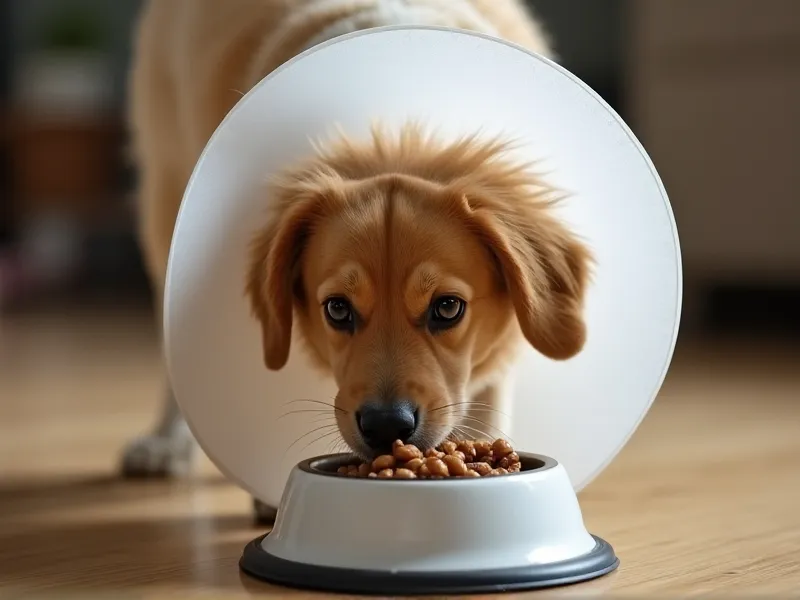
Table of Contents
- Can Dogs Eat with a Cone On? The Short Answer
- Why the Cone Matters: The Purpose Behind the “Cone of Shame”
- The “Benefits” of Eating with the Cone: Why Nutrition Can’t Wait
- Potential Risks: What to Watch For When Feeding a Dog in a Cone
- Step-by-Step Guidelines: Helping Your Dog Eat Comfortably with a Cone
- Cone Alternatives: Friendlier Options for Fussy Eaters
- FAQ: Answers to Common Cone-and-Mealtime Questions
- Conclusion: Patience, Creativity, and Veterinary Support
Can Dogs Eat with a Cone On? The Short Answer
Yes, most dogs can eat with a cone on—but it may require a little creativity, patience, and adjustments to their routine. While the cone can make accessing food and water tricky at first, with the right tools and strategies, your pup can still get the nutrition they need to heal and thrive.
That said, every dog is different. Some adapt quickly, while others may need extra help (or even a cone alternative) to feel comfortable eating. The key is to stay calm, observe their behavior, and tweak your approach until mealtime feels less like a battle and more like a normal part of their day.
Why the Cone Matters: The Purpose Behind the “Cone of Shame”
First, let’s talk about why the cone is necessary. Veterinarians recommend Elizabethan collars (ECs) to prevent dogs from licking, chewing, or scratching at injuries, surgical sites, hot spots, or skin conditions. Licking can introduce bacteria, delay healing, or even reopen stitches—all of which can lead to infections, longer recovery times, or the need for additional treatment.
In short: The cone is a temporary inconvenience for a very important reason. Without it, your dog’s recovery could be derailed. That’s why figuring out how to help them eat with the cone is so crucial—nutrition is the fuel their body needs to heal.
The “Benefits” of Eating with the Cone: Why Nutrition Can’t Wait
While the cone itself doesn’t “benefit” mealtime, the ability to eat despite the cone offers huge benefits for your dog’s health. Here’s why it matters:
1. Healing Depends on Nutrition
Protein, vitamins, and minerals are the building blocks of recovery. Whether your dog had surgery, a wound, or a skin procedure, their body needs calories and nutrients to repair tissue, fight inflammation, and boost immunity. Skipping meals can slow healing and weaken their system, putting them at risk for complications.
2. Prevents Dehydration and Malnutrition
Even a day or two of reduced eating can lead to dehydration (especially if your dog is also avoiding water) or weight loss. For small dogs, seniors, or dogs with chronic conditions, this can be dangerous. Ensuring they eat with the cone helps keep their energy up and their recovery on track.
3. Reduces Stress (for Both of You!)
Mealtime is a comfort ritual for dogs. When they can’t eat, they may become anxious, irritable, or depressed—and that stress can further slow healing. Helping them eat with the cone restores a sense of normalcy, which benefits their mental and physical well-being.
Potential Risks: What to Watch For When Feeding a Dog in a Cone
While most dogs can adapt to eating with a cone, there are a few risks to be aware of. Being proactive can help you avoid these issues:
1. Difficulty Accessing Food/Water
The cone’s wide, rigid design can block your dog’s nose from reaching the bowl. If the bowl is too deep or narrow, their snout may bump against the sides, leaving them frustrated and hungry.
2. Stress and Anxiety
Some dogs find the cone scary or uncomfortable, especially at first. This stress can suppress their appetite, making them refuse food even if they’re physically able to eat. Signs of stress include pacing, panting, lip-licking, or turning away from the bowl.
3. Rushing and Choking Hazards
Dogs who do figure out how to eat with the cone may rush to gobble food before the cone “gets in the way” again. This can lead to choking, gagging, or indigestion—especially with dry kibble or large pieces.
4. Reduced Food Intake
In severe cases, a dog may eat so little with the cone that they lose weight or become lethargic. This is more common with brachycephalic breeds (like Bulldogs or Pugs), who already have shorter snouts, or dogs with neck/face injuries that make moving the head painful.
Step-by-Step Guidelines: Helping Your Dog Eat Comfortably with a Cone
The good news? With a few simple adjustments, you can turn mealtime from a struggle into a success. Here’s how:
1. Start with the Right Cone Fit
A poorly fitting cone is the #1 culprit behind mealtime woes. Before worrying about food, check:
- Length: The cone should extend 1–2 inches beyond your dog’s nose to prevent licking, but not so far that it touches the floor when they lower their head. If it drags, they’ll struggle to reach the bowl.
- Tightness: It should be snug enough that they can’t slip it off, but loose enough to fit two fingers between the cone and their neck. A too-tight cone restricts movement and adds stress.
If the cone is ill-fitting, contact your vet—they can trim it or provide a better size.
2. Choose the Right Bowl (or No Bowl at All!)
Traditional deep bowls are often the enemy of cone-wearing dogs. Instead, try:
- Shallow, Wide Bowls: Look for bowls with low sides (think: cat bowls or “flat” dog bowls) to make it easier for their snout to reach the food without the cone hitting the bowl.
- Elevated Bowls: Raised bowls (adjusted to elbow height) can reduce neck strain and angle the cone away from the food. This works especially well for larger dogs.
- Plate or Tray: For tiny dogs or those with very short snouts, a flat plate or baking tray (lined with a towel to prevent sliding) may be easier than a bowl—no sides to block the cone!
- Hand-Feeding: If bowls are still tricky, try hand-feeding small bites of wet food or kibble. This builds trust and lets you guide their head to avoid cone collisions.
3. Adjust the Food Itself
Sometimes, the food texture makes a difference. If your dog is struggling:
- Switch to Wet Food: Canned food or kibble mixed with warm water (to make a “soup”) is easier to lap up, especially if their cone limits how much they can scoop with their tongue.
- Warm It Up: A slightly warmed meal (not hot!) releases more aroma, which can entice a stressed or hesitant eater.
- Add Temptations (Sparingly): A small drizzle of low-sodium chicken broth or a sprinkle of shredded chicken can make food more appealing—just avoid anything greasy, spicy, or high in salt.
4. Create a Calm Eating Environment
Stress amplifies cone frustration. Set your dog up for success by:
- Feeding in a Quiet Space:远离喧嚣的家庭区域(如厨房或客厅),选择一个安静的角落,减少干扰。
- Staying Nearby: Sit with them during meals to offer reassurance—your presence can calm their anxiety.
- Avoiding Rush: Never hover or催促 them to eat faster. Let them take their time, even if it takes 20+ minutes.
5. Monitor Water Intake Closely
Dehydration is a real risk, so don’t forget about water! Use the same shallow/wide bowl strategy for water, and check it frequently. If they’re not drinking, try:
- Ice Cubes: Some dogs love licking ice—an easy way to hydrate without a bowl.
- Syringe Feeding (Under Vet Guidance): If they’re severely dehydrated, your vet may recommend giving water via a syringe (never force it—ask for a demo first).
6. Know When to Take Breaks
If your dog is panting, pacing, or growling at the bowl, take a 10-minute break. Forcing them to eat will only increase stress. Try again when they’re calmer, or switch to hand-feeding.
Cone Alternatives: Friendlier Options for Fussy Eaters
If your dog still refuses to eat with a traditional cone, it may be time to explore alternatives. These collars are designed to protect wounds while being more mealtime-friendly:
1. Inflatable Collars
Collars like the Kong Cloud or “donut” collars are soft, air-filled rings that wrap around the neck. They’re less bulky than plastic cones, so dogs can lower their heads to eat and drink more easily. They work best for dogs with torso or leg wounds (not face/ear wounds, as they may still reach).
2. Soft Cones
Made of padded fabric or foam, soft cones (like the ProCollar) are flexible and lighter than plastic. They still block licking but allow more movement for eating.
3. Recovery Suits
A recovery suit (like the Suitical Recovery Suit) is a onesie-style garment that covers the torso, preventing access to wounds without restricting the neck. Perfect for dogs who hate cones—they can eat, drink, and even sleep comfortably.
4. Neck Braces or “Bite Not” Collars
These rigid but low-profile collars limit neck movement (so dogs can’t reach wounds) but are narrow enough to allow normal eating. Great for post-surgery or eye injuries.
Pro Tip: Always check with your vet before switching collars—some wounds require the full protection of a traditional cone.
FAQ: Answers to Common Cone-and-Mealtime Questions
Q: My dog won’t eat anything with the cone. Should I take it off?
A: Only if your vet approves—and only under strict supervision. Some dogs will immediately lick their wounds the second the cone is off, undoing all that hard work. If they’re refusing food for more than 24 hours, contact your vet—they may adjust the cone, recommend appetite stimulants, or rule out other issues (like pain).
Q: How long will it take my dog to get used to eating with the cone?
A: Most dogs adapt within 12–24 hours, especially if you stick to a routine. Puppies and food-motivated dogs often adjust faster than anxious or senior dogs. If it’s been 2–3 days and they’re still struggling, try a cone alternative or hand-feeding.
Q: Can I leave the cone off overnight so they can eat?
A: Again, check with your vet. Overnight is when many dogs (especially bored or anxious ones) are most likely to lick wounds. If your vet says it’s safe, set a timer to check on them every hour, and never leave them unsupervised without the cone.
Q: My dog is losing weight with the cone. Is this normal?
A: A slight decrease in appetite for the first day is common, but significant weight loss (more than 5% of body weight) or lethargy is not. Contact your vet—they may need to adjust pain meds, switch collars, or recommend high-calorie supplements.
Conclusion: Patience, Creativity, and Veterinary Support
Watching your dog struggle with a cone is never easy, but remember: This is temporary. With a little patience, the right tools, and a focus on their comfort, they’ll be chowing down (and healing up) in no time.
If you hit a wall—whether your dog refuses to eat, the cone causes excessive stress, or you’re worried about their weight—never hesitate to call your vet. They’re your best resource for personalized advice, from adjusting the cone to recommending appetite boosters.
At the end of the day, your dog’s recovery depends on two things: keeping them from licking their wounds and making sure they eat. With your help, they’ll do both—and before you know it, that cone will be a distant (and hopefully forgotten) memory.
Here’s to happy, healthy meals—and a speedy recovery for your pup!
References:
- American Kennel Club (AKC). “Elizabethan Collars: What You Need to Know.” akc.org
- VCA Animal Hospitals. “Post-Surgical Care for Dogs.” vcahospitals.com
- American College of Veterinary Surgeons (ACVS). “Post-Operative Care Instructions.” acvs.org