· 8 min read
Can Dogs Eat Wild Mushrooms? What Pet Parents Need to Know
Picture this: You’re strolling through the park on a crisp autumn morning, your dog trotting happily beside you. Suddenly, their nose dives to the ground, and they snap up something small and earthy—a wild mushroom. Panic sets in. Is that mushroom safe? Could it hurt your pup?
As a pet parent, it’s natural to worry about what your dog puts in their mouth. Wild mushrooms, in particular, are a common concern, thanks to their mysterious appearance and varying levels of toxicity. In this guide, we’ll answer the big question: Can dogs eat wild mushrooms? We’ll break down the risks, debunk myths, and share safer alternatives to keep your furry friend healthy and happy.
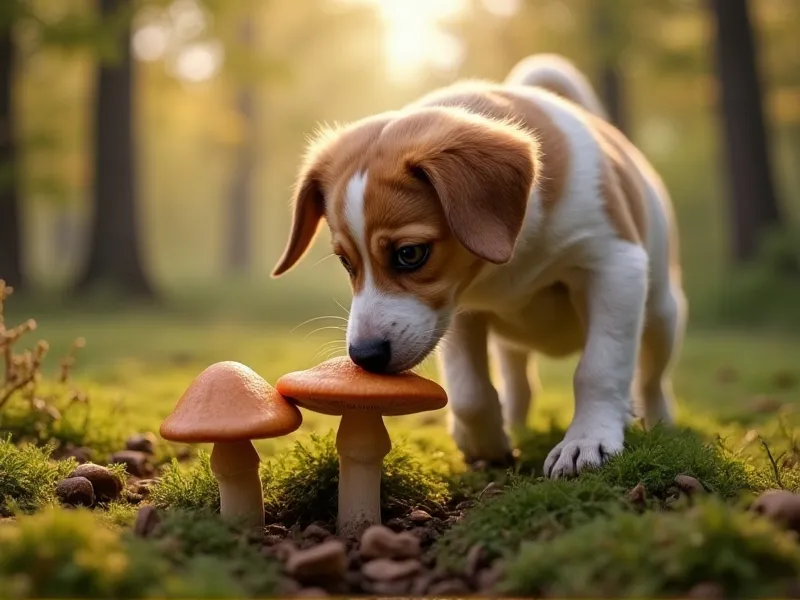
Table of Contents
- Can Dogs Eat Wild Mushrooms? The Short Answer
- What Are Wild Mushrooms, Anyway?
- Potential Benefits of Mushrooms for Dogs (But Not Wild Ones!)
- The Hidden Dangers: Why Wild Mushrooms Are Risky for Dogs
- How Much Wild Mushroom Is Safe for Dogs? Spoiler: None
- Healthier Alternatives to Wild Mushrooms
- What to Do If Your Dog Eats a Wild Mushroom
- FAQ: Your Wild Mushroom Questions Answered
- Conclusion: Prioritizing Your Pup’s Safety
Can Dogs Eat Wild Mushrooms? The Short Answer
No. Wild mushrooms are not safe for dogs to eat. While some wild mushrooms are harmless, many are highly toxic—and it’s nearly impossible for the average person to tell the difference. Even a small amount of a toxic mushroom can cause severe illness or death in dogs. For this reason, the risk far outweighs any potential benefits.
What Are Wild Mushrooms, Anyway?
Mushrooms are fungi, not plants, and they grow in diverse environments: forests, grasslands, backyards, and even urban parks. They thrive in moist, cool conditions, popping up after rain or in shaded areas. There are over 10,000 known mushroom species in North America alone, and only a fraction are safe for humans or animals to consume.
The problem? Toxic mushrooms often look identical to “safe” ones. For example, the Amanita phalloides (death cap mushroom)—responsible for most mushroom-related deaths worldwide—resembles edible button mushrooms. Unless you’re a trained mycologist (mushroom expert), you can’t reliably distinguish between toxic and non-toxic varieties.
Potential Benefits of Mushrooms for Dogs (But Not Wild Ones!)
You might be wondering: If some mushrooms are toxic, could others offer health benefits? It’s true that certain cultivated mushrooms (like those you buy at the grocery store) are safe for dogs in moderation and can provide nutrients. Let’s break down those potential benefits—but remember, these do not apply to wild mushrooms.
Nutrients in Safe Mushrooms
- Protein: Mushrooms contain small amounts of high-quality protein, which supports muscle health.
- Fiber: Soluble and insoluble fiber in mushrooms aids digestion and helps maintain a healthy gut.
- Potassium: Important for heart health, muscle function, and regulating blood pressure.
- Antioxidants: Compounds like selenium and ergothioneine may support immune function and reduce inflammation.
For example, white button mushrooms, cremini, and portobello mushrooms (all store-bought) are generally safe for dogs when cooked (raw mushrooms can be hard to digest). But again, this only applies to cultivated, non-wild mushrooms. Wild mushrooms are too risky to consider as a source of these nutrients.
The Hidden Dangers: Why Wild Mushrooms Are Risky for Dogs
Wild mushrooms pose several threats to dogs, from mild stomach upset to life-threatening organ failure. Here’s why they’re so dangerous:
1. Toxicity: Some Mushrooms Are Lethal
The biggest risk is toxicity. Many wild mushrooms contain poisons that attack the liver, kidneys, or nervous system. Common toxic species include:
- Amanita species (death cap, destroying angel): Contain amatoxins, which damage the liver and kidneys. Symptoms (vomiting, diarrhea, lethargy) may appear 6–24 hours after ingestion, followed by organ failure. Without treatment, death can occur within 3–7 days.
- Galerina marginata (deadly galerina): Contains the same amatoxins as Amanita mushrooms and is often found growing on rotting wood.
- Gyromitra esculenta (false morel): Contains gyromitrin, which converts to a poison similar to rocket fuel in the body. It causes seizures, liver damage, and even coma.
- Inocybe and Clitocybe species: Contain muscarine, which overstimulates the nervous system, leading to excessive salivation, tearing, vomiting, diarrhea, and difficulty breathing.
Even “mildly toxic” mushrooms can cause vomiting, diarrhea, or abdominal pain in dogs.
2. Difficulty in Identification
As mentioned earlier, toxic mushrooms often look identical to safe ones. A 2021 study in the Journal of Veterinary Emergency and Critical Care found that 70% of dog owners who reported mushroom ingestion couldn’t identify the species their dog ate. Even experts sometimes struggle!
For example, the “magic mushroom” (Psilocybe cubensis), which contains hallucinogens, looks similar to non-toxic lawn mushrooms. Ingestion can cause disorientation, seizures, or hyperthermia in dogs.
3. Small Size, Big Risk
Dogs are curious and may eat mushrooms whole, even tiny ones. Toxicity isn’t always dose-dependent—some mushrooms (like the death cap) can kill a 50-pound dog with just one cap. Smaller dogs are at even higher risk due to their lower body weight.
4. Secondary Risks: Choking and Pesticides
Even non-toxic wild mushrooms can cause problems. Choking is a risk if your dog swallows a large piece. Additionally, wild mushrooms may grow in areas treated with pesticides or herbicides, which can be toxic on their own.
How Much Wild Mushroom Is Safe for Dogs? Spoiler: None
There’s no “safe” amount of wild mushroom for dogs. Even a tiny bite of a toxic species can be fatal. Since you can’t guarantee a wild mushroom is non-toxic, the only safe choice is to prevent your dog from eating any wild mushrooms at all.
Healthier Alternatives to Wild Mushrooms
If you want to share the benefits of mushrooms with your dog, stick to store-bought, cooked mushrooms in small quantities. Here are safe options and other healthy snacks:
Safe Mushrooms for Dogs (Cultivated, Not Wild!)
- White button mushrooms: Low in calories, high in fiber, and safe when cooked.
- Cremini mushrooms: Similar to white buttons but with a richer flavor.
- Portobello mushrooms: Cooked and sliced (remove the gills, which can be bitter).
How to serve: Cook mushrooms thoroughly (raw mushrooms are hard to digest) and chop them into small pieces. Mix a teaspoon or two into your dog’s regular food as an occasional treat (no more than 10% of their daily calories).
Other Nutritious Alternatives
- Carrots: Crunchy, low-calorie, and high in vitamin A.
- Blueberries: Packed with antioxidants and fiber.
- Pumpkin: Cooked, plain pumpkin (not pie filling) aids digestion.
- Green beans: Fresh or steamed, a great source of fiber and vitamins.
What to Do If Your Dog Ate a Wild Mushroom
If you suspect your dog ate a wild mushroom, act fast! Time is critical for treatment. Here’s what to do:
1. Remove Any Remaining Mushroom
If the mushroom is still in your dog’s mouth, gently remove it (use gloves to avoid contact with toxins). Do not induce vomiting unless instructed by a vet—some mushrooms can cause more damage coming back up.
2. Identify the Mushroom (If Safe)
If possible, take a photo of the mushroom (note its size, color, shape, and where it was growing) or collect a sample (wear gloves, place in a paper bag). This can help vets identify the toxin and choose the right treatment.
3. Call Your Vet or Pet Poison Helpline Immediately
Contact your veterinarian or the Pet Poison Helpline (855-764-7661) right away. Provide details: your dog’s weight, how much mushroom they ate (if known), and when it happened.
4. Watch for Symptoms
Toxicity symptoms vary by mushroom type but may include:
- Vomiting/diarrhea (sometimes bloody)
- Lethargy or weakness
- Jaundice (yellowing of gums, eyes)
- Seizures or tremors
- Excessive drooling or pawing at the mouth
- Difficulty breathing
If symptoms appear, head to the nearest emergency vet clinic immediately.
FAQ: Your Wild Mushroom Questions Answered
Q: Are all wild mushrooms toxic to dogs?
A: No, but many are, and it’s impossible to tell the difference without expert training. Even “safe” wild mushrooms can cause stomach upset. The risk isn’t worth it.
Q: My dog ate a wild mushroom, but seems fine. Should I worry?
A: Yes! Some toxins (like amatoxins) take 6–24 hours to cause symptoms. By then, organ damage may already be severe. Always contact a vet, even if your dog seems normal.
Q: Can I feed my dog foraged mushrooms if I’m sure they’re safe?
A: No. Even experienced foragers make mistakes. Cultivated mushrooms from the grocery store are the only safe choice.
Q: Are cooked wild mushrooms safer than raw?
A: No. Cooking does not destroy most mushroom toxins (e.g., amatoxins are heat-stable).
Conclusion: Prioritizing Your Pup’s Safety
When it comes to wild mushrooms and dogs, it’s better to be safe than sorry. These fungi pose a serious risk of toxicity, and even a small bite can have devastating consequences. Instead of taking chances with wild mushrooms, opt for safe, store-bought alternatives like cooked white button mushrooms as an occasional treat.
As always, consult your veterinarian before introducing new foods to your dog’s diet. And on walks, keep a close eye on your pup—especially in moist, wooded areas where mushrooms thrive. With a little caution, you can help keep your furry friend happy, healthy, and mushroom-free!
References:
- American Society for the Prevention of Cruelty to Animals (ASPCA). “Toxic and Non-Toxic Plants: Mushrooms.” aspca.org/pet-care/animal-poison-control/toxic-and-non-toxic-plants/mushrooms
- Pet Poison Helpline. “Mushroom Toxicity in Dogs and Cats.” petpoisonhelpline.com/poison/mushrooms/
- VCA Hospitals. “Mushroom Poisoning in Dogs.” vcahospitals.com/know-your-pet/mushroom-poisoning-in-dogs
- American Kennel Club (AKC). “Can Dogs Eat Mushrooms?” akc.org/expert-advice/nutrition/can-dogs-eat-mushrooms/