· 8 min read
Can Dogs Eat Whole Sardines? A Pet Parent’s Guide to This Nutritious Treat
Picture this: You’re sitting down to a lazy weekend breakfast, savoring a can of briny, oil-packed sardines on crusty bread. Across the table, your dog sits, tail thumping, nose twitching, and those big, soulful eyes locked onto your plate. “Can I share?” they seem to ask.
It’s a common scenario for pet parents—our dogs are curious about everything we eat, and sardines, with their strong scent, are no exception. But before you toss them a fishy morsel, you might wonder: Are whole sardines safe for dogs? Are they actually good for them? Or could they pose hidden risks?
In this guide, we’ll dive into the world of sardines and dogs, breaking down the benefits, risks, and how to safely incorporate this tiny fish into your pup’s diet. Spoiler: When prepared right, whole sardines can be a fantastic addition to your dog’s treat rotation. Let’s get started!
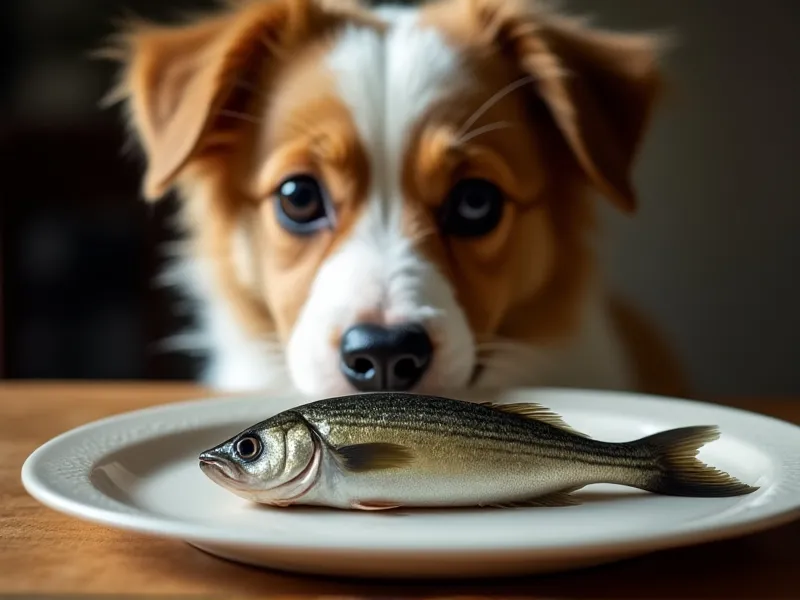
Table of Contents
- Are Whole Sardines Safe for Dogs? The Short Answer
- The Nutritional Benefits of Whole Sardines for Dogs
- Potential Risks of Feeding Whole Sardines to Dogs
- How Much Whole Sardine Can Dogs Eat? Guidelines by Size
- Healthier Alternatives to Whole Sardines
- FAQ: Your Top Sardine Questions Answered
- Conclusion: Sardines—A Tasty Treat, When Done Right
- References
Are Whole Sardines Safe for Dogs? The Short Answer
Yes, dogs can eat whole sardines—when prepared properly and fed in moderation.
Sardines are small, oily fish that are low on the food chain, meaning they’re packed with nutrients and low in harmful contaminants like mercury. Their tiny, soft bones are even safe for dogs to digest (unlike larger fish bones, which can splinter). That said, there are caveats: the type of sardine (fresh vs. canned), added ingredients (salt, oil), and portion size all matter. Read on to learn how to safely share this superfood with your pup!
The Nutritional Benefits of Whole Sardines for Dogs
Sardines aren’t just a tasty human snack—they’re a nutrient-dense powerhouse for dogs, too. Here’s why they deserve a spot in your pet’s treat drawer:
1. Omega-3 Fatty Acids: For Skin, Coat, and Joints
Sardines are loaded with omega-3 fatty acids (EPA and DHA), which are critical for your dog’s health. These healthy fats:
- Soothe skin allergies: Reduce itching and inflammation from conditions like atopic dermatitis.
- Boost coat health: Leave fur shiny and减少 shedding.
- Support joint function: Alleviate stiffness from arthritis by reducing inflammation in joints.
- Aid brain health: DHA is essential for cognitive function, especially in puppies and senior dogs.
Fun fact: Unlike plant-based omega-3s (like flaxseed), the omega-3s in sardines are “pre-formed,” meaning your dog’s body can use them directly—no conversion needed!
2. High-Quality Protein: Building Blocks for Muscles
Dogs are omnivores, but protein is the foundation of their diet. Sardines offer lean, complete protein (meaning they contain all 10 essential amino acids dogs need), which:
- Maintains muscle mass (critical for active dogs and seniors).
- Supports tissue repair and growth (great for puppies).
- Keeps your dog feeling full and satisfied (helpful for weight management).
3. Calcium and Phosphorus: Strong Bones and Teeth
Whole sardines include their tiny, soft bones, which are rich in calcium and phosphorus—two minerals that work together to:
- Strengthen bones and teeth (vital for growing puppies and aging dogs).
- Support nerve function and muscle contraction.
Unlike chicken or beef bones, sardine bones are small, pliable, and digestible, so they won’t splinter or cause blockages.
4. Vitamins and Minerals: A Micronutrient Boost
Sardines are also packed with essential vitamins and minerals, including:
- Vitamin D: Helps absorb calcium (many dogs are deficient in vitamin D, especially those kept indoors).
- Vitamin B12: Supports energy production and red blood cell formation.
- Selenium: An antioxidant that protects cells from damage and boosts immunity.
- Potassium: Regulates heart function and fluid balance.
5. Low Mercury, High Sustainability
Large, predatory fish (like tuna or swordfish) accumulate mercury, which can harm dogs in high doses. Sardines, however, are small, short-lived, and eat plankton—so they’re low in mercury. They’re also one of the most sustainable fish choices, making them a win for your dog and the planet!
Potential Risks of Feeding Whole Sardines to Dogs
While sardines are generally safe, there are risks to watch for. Here’s what to avoid:
1. Choking Hazard: Size Matters for Small Dogs
Whole sardines (especially larger ones) can pose a choking risk for small breeds (e.g., Chihuahuas, Yorkies) or dogs who gulp food without chewing. Always:
- Cut sardines into bite-sized pieces for small dogs.
- Supervise your dog the first few times they eat sardines to ensure they chew properly.
2. Sodium Overload: Watch for Salted Sardines
Many canned sardines are packed in salt water or “brine” to preserve them. Excess sodium is dangerous for dogs, as it can cause:
- Dehydration, excessive thirst, or urination.
- Electrolyte imbalances.
- Long-term kidney damage (especially in dogs with kidney disease).
Fix: Opt for canned sardines packed in water, no salt added. If you can only find salted sardines, rinse them thoroughly under cold water to remove excess salt (though this isn’t ideal—always check labels first!).
3. High Fat Content: Risk of Pancreatitis
Sardines are oily fish, and some are packed in oil (e.g., olive oil, soybean oil) for flavor. While small amounts of healthy fat are good, too much can trigger:
- Pancreatitis: An inflammation of the pancreas, which causes severe abdominal pain, vomiting, and diarrhea (fatal if untreated).
- Weight gain: Extra calories from oil can lead to obesity over time.
Fix: Choose water-packed sardines instead of oil-packed. If you use oil-packed, feed them sparingly (and avoid varieties with added oils like garlic or spices).
4. Stomach Upset: Introduce Slowly
Like any new food, sardines can cause digestive upset if your dog isn’t used to them. Symptoms may include:
- Diarrhea, vomiting, or gas.
- Loss of appetite.
Fix: Start with a tiny portion (e.g., ¼ of a sardine for small dogs) and gradually increase over 2–3 weeks. If your dog has a sensitive stomach, mix sardines with their regular food to ease digestion.
5. Contaminants: Rare but Possible
While sardines are low in mercury, they can still contain trace amounts of pollutants (like microplastics or heavy metals) from ocean water. To minimize risk:
- Buy sardines from reputable brands that test for contaminants.
- Rotate treats to avoid overexposure to any single food.
How Much Whole Sardine Can Dogs Eat? Guidelines by Size
Sardines are a treat, not a meal. As a rule, treats should make up no more than 10% of your dog’s daily calories. Here’s a rough guide based on weight:
| Dog Size | Weight Range | Recommended Portion (Per Week) |
|---|---|---|
| Small | 10–20 lbs | 1–2 small sardines (1–2 oz) |
| Medium | 30–50 lbs | 2–3 small sardines (2–3 oz) |
| Large | 60–90 lbs | 3–4 small sardines (3–4 oz) |
| Extra-Large | 100+ lbs | 4–5 small sardines (4–5 oz) |
Tips for Serving Sardines Safely:
- Choose fresh or canned: Fresh sardines are ideal (no added salt!), but canned is convenient. Look for “wild-caught” and “no salt added” on labels.
- Avoid added ingredients: Skip sardines with garlic, onions, spices, or preservatives—these are toxic to dogs.
- Rinse canned sardines: Even “no salt added” varieties can have residual sodium; a quick rinse removes excess.
- Mix with food: Stir chopped sardines into your dog’s kibble or wet food to add flavor and nutrients.
- Freeze for a cool treat: Freeze sardine pieces in an ice cube tray for a summer snack (great for teething puppies!).
Healthier Alternatives to Whole Sardines
If sardines aren’t your dog’s thing (or you can’t find them), these alternatives offer similar benefits:
1. Anchovies
Like sardines, anchovies are small, low-mercury fish with soft bones. They’re slightly saltier, so rinse them thoroughly and feed in smaller portions.
2. Cooked Salmon (De-Boned)
Salmon is rich in omega-3s and protein, but always remove bones (they can splinter). Serve cooked (raw salmon may contain parasites like flukes).
3. Mackerel
Mackerel is another oily fish with omega-3s, but it’s higher in mercury than sardines—feed only occasionally.
4. Fish Oil Supplements
If your dog hates fish, fish oil capsules (with EPA/DHA) are a convenient alternative. Look for brands made for dogs (human supplements may have additives).
5. Pumpkin or Sweet Potato
For fiber and nutrients without fish, try cooked pumpkin (no sugar!) or sweet potato—great for digestion and skin health.
FAQ: Your Top Sardine Questions Answered
Q: Can puppies eat whole sardines?
A: Yes! Puppies (over 8 weeks old) can eat sardines in small portions. The omega-3s and protein support brain and muscle development. Avoid feeding to very young puppies (under 6 weeks) as their digestive systems are still maturing.
Q: Can dogs eat sardine heads, tails, or guts?
A: Yes! The entire sardine (head, tail, guts, bones) is safe and nutritious. The head contains nutrients like vitamin A, and the guts are rich in enzymes that aid digestion.
Q: Is it okay to feed my dog sardines every day?
A: No—even with low mercury, daily sardines can lead to nutrient imbalances (e.g., too much calcium) or stomach upset. Stick to 1–2 times per week.
Q: My dog has kidney disease. Can they eat sardines?
A: Probably not. Dogs with kidney disease need low-sodium, controlled-protein diets. Sardines (even no-salt-added) contain protein and some sodium, which can strain the kidneys. Ask your vet first.
Q: Can sardines help with my dog’s allergies?
A: Yes! Omega-3s in sardines reduce inflammation, which can ease itching and redness from environmental or food allergies. Pair with a hypoallergenic diet for best results.
Conclusion: Sardines—A Tasty Treat, When Done Right
Whole sardines are more than just a fishy snack—they’re a nutrient-dense superfood that can boost your dog’s skin, coat, joints, and overall health. When chosen carefully (water-packed, no salt added) and fed in moderation, they’re a safe, affordable treat for most dogs.
As with any new food, start small, watch for signs of upset, and consult your vet if you have concerns (especially if your dog has health issues like pancreatitis or kidney disease).
So next time your dog begs for a bite of your sardine toast, you can confidently share a tiny, chopped piece—they’ll wag their tail, and you’ll feel good knowing you’re treating them to something both delicious and good for them.
Happy snacking!
References
- American Kennel Club (AKC). “Can Dogs Eat Sardines?” akc.org
- PetMD. “Fish for Dogs: Benefits and Risks.” petmd.com
- VCA Hospitals. “Pancreatitis in Dogs.” vcahospitals.com
- FDA. “Mercury Levels in Commercial Fish and Shellfish.” fda.gov
- Whole Dog Journal. “The Benefits of Sardines for Dogs.” wholedogjournal.com