· 9 min read
Can Dogs Eat White Cheddar Popcorn? What Pet Parents Need to Know
It’s movie night, and you’ve settled in with a bowl of crispy, salty, white cheddar popcorn. Beside you, your dog sits attentively, tail thumping, those big, soulful eyes locked on your snack. “Just one little piece?” you think. After all, popcorn seems harmless—light, crunchy, and so tempting to share. But is white cheddar popcorn safe for dogs? As pet parents, we want to treat our furry friends, but their health always comes first. In this guide, we’ll break down the risks, (minimal) benefits, and safer alternatives to help you make the best choice for your pup.
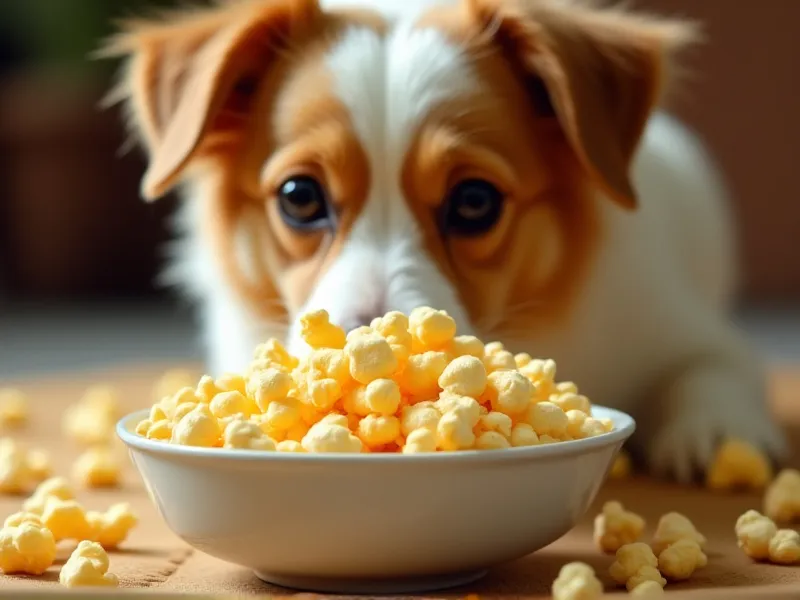
Table of Contents
- Can Dogs Eat White Cheddar Popcorn? The Short Answer
- Potential Benefits of Popcorn for Dogs (Spoiler: They’re Minimal)
- The Risks of White Cheddar Popcorn for Dogs: What You Need to Know
- Safe Feeding Guidelines: If You Must Share
- Healthier Alternatives to White Cheddar Popcorn
- Frequently Asked Questions (FAQ)
- Conclusion: Prioritizing Your Dog’s Health
- References
1. Can Dogs Eat White Cheddar Popcorn? The Short Answer
Let’s cut to the chase: In very small, occasional amounts, plain, unsalted, unbuttered popcorn is generally safe for most dogs. But white cheddar popcorn? That’s a different story. The “cheddar” flavoring (and often added salt, butter, or artificial ingredients) introduces risks that make it a snack best avoided—or at least approached with extreme caution.
While plain popcorn has minor nutritional perks, the additives in white cheddar varieties (like excess salt, fat, dairy, and artificial flavors) far outweigh any benefits. For most dogs, sharing white cheddar popcorn isn’t worth the risk of stomach upset, pancreatitis, or worse.
2. Potential Benefits of Popcorn for Dogs (Spoiler: They’re Minimal)
Before we dive into the risks, let’s acknowledge the theoretical upsides of plain, air-popped popcorn for dogs. Keep in mind: These benefits are small, and there are far better ways to get these nutrients into your dog’s diet.
Fiber for Digestion
Plain popcorn is a whole-grain snack, meaning it contains dietary fiber. Fiber helps support healthy digestion by keeping things moving in your dog’s gut and preventing constipation. However, dogs typically get all the fiber they need from their balanced dog food (look for formulas with ingredients like sweet potatoes or pumpkin). Popcorn’s fiber content is minimal compared to these whole-food sources.
Potassium for Muscle & Nerve Health
Popcorn also contains small amounts of potassium, an essential mineral that supports heart function, muscle contraction, and nerve signaling. Again, though, dogs get plenty of potassium from their regular diet (think: bananas, spinach, or chicken). Popcorn isn’t a significant source here.
Low-Calorie (When Plain)
Air-popped, unsalted, unbuttered popcorn is low in calories, which might make it seem like a “light” treat. But even then, it’s not nutritionally dense. Your dog would need to eat a lot of popcorn to get meaningful nutrients—and that introduces other risks (like overeating or choking).
The bottom line: Any benefits of popcorn are negligible. There’s no need to add it to your dog’s diet, and white cheddar popcorn only makes it worse.
3. The Risks of White Cheddar Popcorn for Dogs: What You Need to Know
Now, let’s get to the important part: the risks. White cheddar popcorn isn’t just “less healthy” for dogs—it can be actively harmful. Here’s why:
1. Excess Sodium: A Hidden Danger
Most white cheddar popcorn is loaded with salt. While humans crave that salty kick, dogs have much lower sodium needs. According to the Association of American Feed Control Officials (AAFCO), adult dogs need just 0.2% sodium in their diet (about 100-200 mg per day, depending on size). A single cup of white cheddar popcorn can contain 200-400 mg of sodium—more than an entire day’s worth for a small dog (like a Chihuahua or Yorkie).
Too much sodium can lead to:
- Dehydration (excessive thirst, dry gums)
- Electrolyte imbalances
- Vomiting, diarrhea, or lethargy
- In severe cases: salt toxicity, which causes seizures, kidney damage, or even death.
2. Dairy: Lactose Intolerance & Fatty Upset
White cheddar popcorn gets its flavor from cheese powder or actual cheddar. Cheese is high in fat and lactose (milk sugar), two things many dogs struggle with.
- Lactose intolerance: Most dogs lose the ability to digest lactose after puppyhood (just like some humans). Feeding dairy can lead to gas, bloating, diarrhea, or stomach cramps.
- High fat content: Cheddar cheese is also high in saturated fat. A small amount might trigger pancreatitis—a painful, potentially life-threatening inflammation of the pancreas—especially in dogs prone to the condition (like miniature schnauzers or obese dogs).
3. Artificial Flavors, Colors, & Additives
Many store-bought white cheddar popcorns contain artificial flavors, colors, or preservatives (like monosodium glutamate, or MSG). While the FDA deems these “safe” for humans, there’s limited research on their effects on dogs. Some dogs may experience allergic reactions (itchiness, hives) or behavioral changes (hyperactivity, restlessness) from these additives.
4. Choking Hazard: Unpopped Kernels
Popcorn kernels—especially unpopped ones—are a major choking risk for dogs. Their small, hard shape can get stuck in your dog’s throat, blocking their airway. Even popped popcorn can pose a risk if your dog gulps it down without chewing (hello, greedy eaters!).
In rare cases, unpopped kernels can also cause intestinal blockages, which require emergency surgery.
5. Empty Calories: Displacing Nutritious Food
White cheddar popcorn is “empty calories”—it fills your dog up without providing any real nutrition. If your dog snacks on popcorn regularly, they may eat less of their balanced dog food, leading to nutrient deficiencies over time.
4. Safe Feeding Guidelines: If You Must Share Popcorn
Let’s be real: Sometimes, we can’t resist those puppy eyes. If you insist on sharing a tiny bite of popcorn with your dog, follow these strict rules to minimize risk:
Stick to Plain, Air-Popped Popcorn
Skip the white cheddar entirely. Opt for plain, unsalted, unbuttered, air-popped popcorn. No cheese, no butter, no salt, no sugar.
Remove All Unpopped Kernels
Before sharing, sift through the popcorn to remove any hard, unpopped kernels. These are choking hazards—even for large dogs!
Limit to a Tiny Portion
Size matters. A “tiny portion” means:
- Small dogs (under 20 lbs): 1-2 popped kernels (yes, kernels, not handfuls!).
- Medium dogs (20-50 lbs): 3-4 kernels.
- Large dogs (50+ lbs): 5-6 kernels.
And this should be a once-in-a-blue-moon treat—not a regular snack.
Watch for Reactions
After sharing, monitor your dog for 24 hours. Signs of trouble include vomiting, diarrhea, lethargy, excessive thirst, or bloating. If you notice any of these, contact your vet.
Avoid If Your Dog Has Health Issues
Dogs with kidney disease, heart conditions, pancreatitis, or food allergies should never have popcorn (even plain). The sodium, fat, or additives could worsen their condition.
Pro tip: When in doubt, skip the popcorn. There are far safer, healthier treats to share!
5. Healthier Alternatives to White Cheddar Popcorn
Instead of risking white cheddar popcorn, treat your dog to these vet-approved snacks. They’re crunchy, tasty, and packed with nutrients:
1. Carrot Slices
Crunchy, low-calorie, and full of vitamin A (great for eye health), carrots are a favorite among dogs. Slice them into bite-sized pieces for a safe, satisfying snack.
2. Green Beans (Steamed or Raw)
Fresh or steamed green beans are high in fiber and vitamins (like K and C) and low in calories. They’re perfect for dogs watching their weight!
3. Apple Slices (No Seeds!)
Apples are a sweet, crunchy treat rich in fiber and vitamin C. Just remove the seeds (they contain trace amounts of cyanide) and core first.
4. Blueberries
These tiny superfoods are packed with antioxidants, which support immune health. They’re also low in sugar and high in water, making them a refreshing summer snack.
5. Plain, Cooked Sweet Potato
Baked or mashed sweet potato (no butter or salt!) is a nutrient-dense treat. It’s rich in fiber, beta-carotene, and vitamins A and C.
6. Air-Popped Popcorn (Plain!)
If you really want to share popcorn, stick to plain, air-popped kernels (no toppings) and follow the portion guidelines above. But remember: It’s still not necessary for their diet!
6. Frequently Asked Questions (FAQ)
Q: Can puppies eat white cheddar popcorn?
A: No. Puppies have sensitive digestive systems and are more prone to stomach upset. Their bodies also can’t process lactose or excess sodium as well as adult dogs. Stick to puppy-safe treats like plain yogurt (in small amounts) or puppy kibble.
Q: My dog ate a handful of white cheddar popcorn by accident! What should I do?
A: Don’t panic, but monitor them closely. Watch for signs of sodium overload (excessive thirst, vomiting, diarrhea, lethargy) or GI upset (bloating, gas, diarrhea). If your dog is small, or if they ate a large amount, contact your vet immediately. For larger dogs, call your vet for guidance—they may recommend inducing vomiting or monitoring at home.
Q: Is microwave popcorn worse for dogs than stovetop popcorn?
A: Yes, generally. Microwave popcorn often contains more salt, artificial flavors, and preservatives than stovetop versions. Some microwavable popcorn bags also have a chemical lining (perfluorooctanoic acid, or PFOA) that can leach into the popcorn when heated. Stick to air-popped popcorn if you must share.
Q: What if my dog loves popcorn—can I make them plain, homemade popcorn?
A: You can, but it’s still not a “necessary” treat. If you do, make it in an air popper (no oil), skip salt/butter, and limit portions to 1-2 kernels per 10 lbs of body weight. Again, this should be rare!
Q: Are other cheese-flavored snacks (like cheese crackers) safe for dogs?
A: No. Most cheese-flavored snacks (crackers, chips, etc.) are high in salt, fat, and artificial ingredients—just like white cheddar popcorn. Stick to small amounts of plain, low-fat cottage cheese (if your dog tolerates lactose) instead.
7. Conclusion: Prioritize Your Dog’s Health
At the end of the day, sharing a tiny, plain popcorn kernel with your dog is unlikely to cause harm—but white cheddar popcorn? It’s just not worth the risk. The excess salt, dairy, and additives can lead to stomach upset, dehydration, or worse.
Instead of reaching for the popcorn bowl, opt for healthier treats like carrots, green beans, or apples. Your dog will love the crunch, and you’ll have peace of mind knowing you’re keeping them safe.
If you’re ever unsure about a snack, consult your vet. They know your dog’s unique health needs and can recommend the best treats for their diet.
After all, our dogs deserve the very best—and that means choosing snacks that nourish, not harm.
References
- American Veterinary Medical Association (AVMA). “People Foods to Avoid Feeding Your Pets.” avma.org
- American Society for the Prevention of Cruelty to Animals (ASPCA). “Toxic and Non-Toxic Foods.” aspca.org
- PetMD. “Can Dogs Eat Popcorn?” petmd.com
- VCA Hospitals. “Dietary Guidelines for Dogs.” vcahospitals.com
- Tufts University Cummings School of Veterinary Medicine. “Nutrition for Dogs.” tuftscvm.org