· 7 min read
Can Dogs Eat Watermelon with White Seeds? A Pet Parent’s Guide to Safe Summer Snacking
It’s a sweltering summer afternoon, and you’re savoring a crisp, juicy slice of watermelon. Suddenly, your dog—let’s call her Luna—plops down at your feet, tail thumping, eyes locked on your treat. “Can I have some?” her gaze seems to beg. You pause: Watermelon is packed with vitamins for humans, but is it safe for dogs? And what about those tiny white seeds scattered through the fruit? Are they harmless, or a hidden hazard?
If you’ve ever asked, “Can dogs eat watermelon with white seeds?” you’re not alone. As pet parents, we want to share life’s little joys with our fur babies—especially refreshing summer snacks. The good news? Yes, dogs can eat watermelon with white seeds, in moderation. But there’s more to the story: from benefits to risks, portion sizes to safer alternatives, let’s dive into everything you need to know to keep your pup happy and healthy this season.
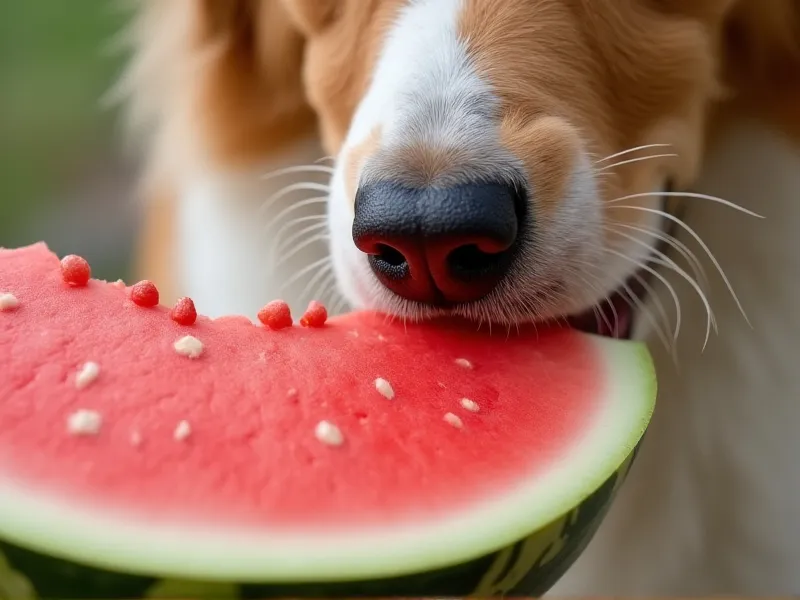
Table of Contents
- Can Dogs Eat Watermelon? The Short Answer
- The Benefits of Watermelon for Dogs
- Potential Risks to Watch For
- How Much Watermelon Can Dogs Safely Eat?
- Healthier Alternatives to Watermelon
- FAQ: Your Top Questions Answered
- Conclusion: Enjoy Summer Safely with Your Pup
Can Dogs Eat Watermelon? The Short Answer
Let’s cut to the chase: Watermelon is generally safe for dogs, including the white seeds, when served properly. According to the American Kennel Club (AKC), watermelon is a low-calorie, hydrating treat that can be a fun addition to your dog’s diet—as long as you remove the rind and limit seeds.
But what about those white seeds? Unlike mature black watermelon seeds (which are harder, larger, and pose a higher choking risk), white seeds are immature, soft, and small. Most dogs can pass them without issue, but it’s still best to remove them if possible. Think of it like picking bones out of a steak: better safe than sorry, especially for small breeds or dogs who gulp their food.
The Benefits of Watermelon for Dogs
Watermelon isn’t just a tasty snack—it’s also packed with nutrients that can support your dog’s health. Here’s why this summer fruit deserves a spot on your pup’s treat menu (in moderation, of course!):
1. Hydration, Hydration, Hydration
Watermelon is 92% water, making it the perfect way to help your dog stay cool and hydrated on hot days. This is especially helpful for dogs who don’t drink enough water or are prone to overheating (looking at you, pugs and bulldogs!).
2. Vitamins A, C, and B6
- Vitamin A: Supports eye health, skin and coat condition, and immune function. A deficiency can lead to vision problems or a dull coat, so a little vitamin A boost never hurts.
- Vitamin C: An antioxidant that helps fight free radicals, reduces inflammation, and supports a healthy immune system. While dogs produce their own vitamin C, extra can aid recovery from illness or stress.
- Vitamin B6: Essential for brain development, hormone regulation, and red blood cell production. It also helps convert food into energy—important for active pups!
3. Potassium
Potassium is a mineral that keeps your dog’s heart, muscles, and nerves functioning properly. It helps balance fluids in the body and supports healthy blood pressure. Watermelon has about 112mg of potassium per cup, which is a nice (small) contribution to your dog’s daily needs.
4. Fiber
Watermelon contains a small amount of fiber, which aids digestion by promoting regular bowel movements. Just be careful—too much fiber can lead to stomach upset (more on that later!).
Potential Risks to Watch For
While watermelon is mostly safe, it’s not without risks. Here’s what to avoid to keep your dog out of trouble:
1. Too Much Sugar
Watermelon is sweet, and that sweetness comes from natural sugars (about 6g per cup). While natural sugar is better than added sugar, overdoing it can lead to:
- Weight gain: Extra calories add up quickly, especially for small dogs.
- Diabetes: Chronic overconsumption may increase the risk of insulin resistance.
- Stomach upset: Too much sugar can cause diarrhea, gas, or bloating.
2. Choking Hazards (Seeds and Chunks)
Even white seeds can be a choking risk for small dogs or pups who eat too fast. Larger chunks of watermelon can also get stuck in the throat, especially if your dog isn’t chewing properly. Always cut watermelon into bite-sized pieces and remove seeds.
3. The Rind: A Hidden Danger
The green rind of the watermelon is tough, fibrous, and indigestible. If your dog eats a large piece, it could cause:
- Intestinal blockage (a life-threatening condition requiring surgery).
- Stomach pain or vomiting.
- Diarrhea (from irritation of the digestive tract).
Pro tip: Never feed your dog the rind. If they sneak a small nibble, monitor them for signs of discomfort, but a tiny piece is unlikely to cause harm.
How Much Watermelon Can Dogs Safely Eat?
The golden rule: Watermelon should be a treat, not a meal. Aim for no more than 10% of your dog’s daily calories from treats (this includes all snacks, not just watermelon!). Here’s a general guide based on your dog’s size:
| Dog Size | Portion of Watermelon (Per Serving) | Frequency |
|---|---|---|
| Small (5-20 lbs) | 1-2 small cubes (about 1-2 tbsp) | 1-2 times per week |
| Medium (20-50 lbs) | 1/4 to 1/2 cup (a few slices) | 2-3 times per week |
| Large (50+ lbs) | 1/2 to 1 cup (a slice or two) | 2-3 times per week |
Preparation Tips:
- Wash first: Rinse the watermelon to remove pesticides or dirt.
- Remove rind and seeds: Slice off the green rind and scoop out any seeds (white or black).
- Cut into small pieces: Bite-sized cubes prevent choking and make it easier to control portions.
Healthier Alternatives to Watermelon
If you’re looking for lower-sugar or more nutrient-dense treats, these alternatives are great options:
1. Blueberries
- Why: Low in sugar (only 1g per 5 berries), high in antioxidants (like resveratrol), and packed with fiber. They’re also small and easy to portion—perfect for training!
2. Strawberries
- Why: Rich in vitamin C, fiber, and folate. They’re 91% water (hydrating!) and have only 4g of sugar per cup.
3. Cucumber
- Why: 96% water, zero sugar, and low in calories. Crunchy and refreshing—ideal for dogs on a diet.
4. Carrots
- Why: Crunchy, low-calorie, and high in vitamin A (great for eyes and coat). Raw or cooked, they’re a safe, affordable treat.
5. Green Beans
- Why: High in fiber and protein, low in calories. They make a satisfying snack for dogs who love to chew.
FAQ: Your Top Questions Answered
Q: Can my dog eat watermelon rind?
A: No. The rind is tough and indigestible, which can cause intestinal blockages or stomach upset. Stick to the red flesh only!
Q: What’s the difference between white and black watermelon seeds?
A: White seeds are immature, soft, and small—most dogs can pass them without issue. Black seeds are mature, hard, and larger, making them a higher choking or blockage risk. It’s best to remove all seeds to be safe.
Q: My dog ate a whole slice of watermelon (rind and all!). Should I panic?
A: Probably not, but monitor them closely. A small amount of rind may cause diarrhea or gas, but large amounts could lead to blockages. If your dog vomits, is lethargic, or can’t poop, call your vet.
Q: Can puppies eat watermelon?
A: Yes, in small portions. Puppies have sensitive tummies, so start with 1-2 tiny cubes and watch for stomach upset.
Q: Is watermelon safe for dogs with diabetes?
A: It depends. Watermelon has natural sugar, so consult your vet first. They may recommend avoiding it or limiting it to a tiny bite.
Conclusion: Enjoy Summer Safely with Your Pup
Watermelon can be a delicious, hydrating treat for your dog—when served right. Stick to small portions, remove the rind and seeds, and avoid overdoing it on the sugar. And remember: every dog is different! If your pup has health issues (like diabetes or kidney disease), or if you’re unsure about portion sizes, check with your vet first.
This summer, share the joy of watermelon with your fur baby—just keep it safe, fresh, and full of love. After all, the best part of summer isn’t the fruit… it’s the memories you make with your pup.
Stay cool, stay safe, and happy snacking!