· 7 min read
Can Dogs Eat Vienna Sausages? A Pet Parent’s Guide to This Salty Snack
Picture this: You’re cozied up on the couch, cracking open a can of Vienna sausages for a quick, nostalgic snack. The familiar “pop” of the can echoes, and suddenly, you feel a warm nudge against your hand. There’s your dog, tail wagging, eyes wide, nose twitching—begging for a bite of that tiny, savory sausage. It’s hard to resist those puppy eyes, but you pause: Is this safe? Can dogs even eat Vienna sausages?
If you’ve ever found yourself in this scenario, you’re not alone. Vienna sausages are a pantry staple for many humans, but when it comes to our furry friends, their nutritional needs (and sensitivities) are worlds apart from ours. In this guide, we’ll break down everything you need to know: Are Vienna sausages toxic to dogs? What risks do they pose? And if you must share a tiny taste, how much is too much? Let’s dive in.
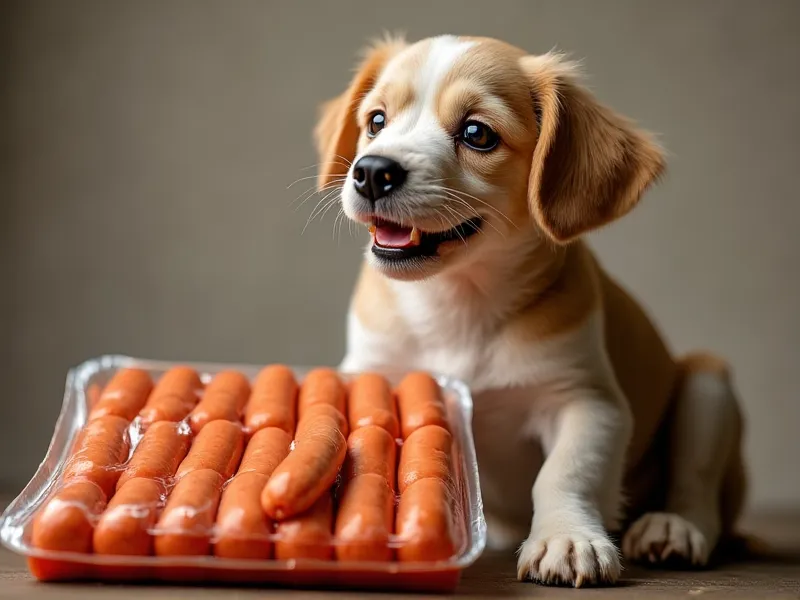
Table of Contents
- Can Dogs Eat Vienna Sausages? The Short Answer
- What Are Vienna Sausages, Anyway?
- Potential “Benefits”: Are There Any Upsides?
- The Risks: Why Vienna Sausages Are a Concern
- How Much Vienna Sausage Is “Safe” for Dogs?
- Healthier Alternatives to Vienna Sausages
- FAQ: Your Vienna Sausage Questions Answered
- Conclusion: Prioritize Your Dog’s Health
Can Dogs Eat Vienna Sausages? The Short Answer
No, Vienna sausages are not a safe or healthy treat for dogs. While a tiny, occasional bite is unlikely to cause immediate harm, these processed meats are packed with salt, preservatives, and additives that can lead to serious health issues over time. Think of them like junk food for dogs: tasty in the moment, but with long-term consequences.
What Are Vienna Sausages, Anyway?
Before we dive into the risks, let’s clarify what Vienna sausages actually are. These small, cylindrical sausages are typically made from finely ground pork, beef, or chicken (or a mix), blended with water, salt, and a laundry list of additives. They’re precooked, canned, and designed for convenience—perfect for humans on the go, but far from ideal for our canine companions.
A quick glance at the ingredient list of a typical can reveals red flags:
- High sodium: A single Vienna sausage can contain 200–300 mg of sodium. For context, a 30-pound dog should consume no more than 100 mg of sodium per day from treats (the rest comes from their balanced dog food).
- Preservatives: Nitrates, nitrites, and BHA/BHT are common to extend shelf life. These chemicals have been linked to health risks in both humans and animals.
- Fillers and additives: Corn syrup, dextrose (sugar), MSG, and artificial flavors are often added to boost taste—none of which benefit your dog.
Potential “Benefits”: Are There Any Upsides?
Let’s be honest: Vienna sausages aren’t nutritionally beneficial for dogs. At best, they contain small amounts of protein (from the meat) and trace minerals like iron or potassium. But these “benefits” are negligible compared to the risks, and they’re far easier to get from healthier sources (more on that later).
Think of it this way: Feeding your dog a Vienna sausage for protein is like eating a candy bar for vitamin C—technically, there’s a nutrient there, but you’re better off choosing an orange.
The Risks: Why Vienna Sausages Are a Concern
Now, let’s break down the real dangers of feeding Vienna sausages to your dog. These risks range from mild discomfort to life-threatening conditions:
1. Sodium Poisoning (Hypernatremia)
Dogs are far more sensitive to salt than humans. Excess sodium causes the body to retain water, leading to dehydration, vomiting, diarrhea, seizures, or even kidney failure. A single can of Vienna sausages (6–8 sausages) could contain 1,200–2,400 mg of sodium—12–24 times the daily treat limit for a small dog.
Signs of salt poisoning include:
- Excessive thirst or urination
- Lethargy or confusion
- Tremors or seizures
- Swelling (especially in the face or paws)
2. Preservatives and Cancer Risk
Nitrates and nitrites, used to keep Vienna sausages “fresh,” can react with stomach acids to form nitrosamines—chemicals classified as probable carcinogens by the World Health Organization (WHO). While the link isn’t definitive in dogs, it’s a risk not worth taking, especially since safer treats exist.
3. Pancreatitis
Vienna sausages are high in fat (around 5–7 grams per sausage). Fatty foods trigger the pancreas to release enzymes, and if overworked, this can lead to pancreatitis—a painful, potentially fatal inflammation. Small dogs and breeds prone to pancreatitis (like Miniature Schnauzers) are especially at risk.
4. Choking Hazard
Vienna sausages are small and cylindrical, making them easy for dogs to swallow whole—especially small breeds or greedy eaters. A lodged sausage can block the airway, requiring emergency veterinary care.
5. Upset Stomach
The combination of salt, sugar, and additives can irritate your dog’s digestive system, leading to vomiting, diarrhea, or gas. Puppies and dogs with sensitive stomachs are most vulnerable.
How Much Vienna Sausage Is “Safe” for Dogs?
The truth? It’s safest to avoid Vienna sausages altogether. But if you’re in a pinch and your dog begs relentlessly (we’ve all been there), a tiny bite—no more than 1/4 of a sausage for small dogs, 1/2 for medium dogs, or 1 sausage for large dogs—once in a blue moon is unlikely to cause harm.
But never make it a habit. Even occasional feeding increases long-term risks like high blood pressure or kidney strain. And always monitor your dog afterward for signs of stomach upset.
Healthier Alternatives to Vienna Sausages
Instead of reaching for the can, opt for these dog-safe treats that are both nutritious and delicious:
1. Fresh, Cooked Meat
- Chicken or turkey breast: Boiled, boneless, and skinless. High in protein, low in fat.
- Lean beef: Cooked ground beef (drained of fat) or sirloin.
- Salmon: Rich in omega-3s for healthy skin and coat (cooked, no bones).
2. Dog-Safe Veggies and Fruits
- Carrots or green beans: Crunchy, low-calorie, and high in fiber.
- Apple slices: Remove seeds (they contain cyanide), and enjoy the fiber and vitamins.
- Blueberries: Packed with antioxidants—perfect for a sweet, healthy snack.
3. Commercial Dog Treats
Look for brands with short, recognizable ingredient lists:
- Zuke’s Mini Naturals: Low-sodium, grain-free, and made with real meat.
- Blue Buffalo Wilderness Trail Treats: High-protein, no artificial additives.
- Wellness Core Grain-Free Treats: Balanced nutrition for all life stages.
FAQ: Your Vienna Sausage Questions Answered
Q: Can puppies eat Vienna sausages?
A: No. Puppies have developing kidneys and sensitive stomachs, making them more vulnerable to salt and additives. Stick to puppy-safe treats like plain yogurt or cooked chicken.
Q: My dog ate a whole can of Vienna sausages! What should I do?
A: Stay calm, but act fast. Contact your vet immediately. They may recommend inducing vomiting (if eaten recently) or monitoring for signs of salt poisoning (excessive thirst, seizures). Do NOT wait for symptoms—sodium toxicity can progress quickly.
Q: Are “low-sodium” Vienna sausages safer?
A: They’re slightly better, but still not ideal. “Low-sodium” usually means 140 mg or less per serving, which is still too much for dogs. Stick to fresh foods instead.
Q: Can dogs eat smoked or flavored Vienna sausages (e.g., garlic, cheese)?
A: Worse! Smoked varieties have extra preservatives, and garlic/onion (even in small amounts) is toxic to dogs (it damages red blood cells). Cheese-flavored options often have added salt and lactose, which many dogs can’t digest.
Conclusion: Prioritize Your Dog’s Health
At the end of the day, Vienna sausages are a human snack—not a dog treat. While a tiny bite won’t hurt, the risks of sodium, preservatives, and fat far outweigh any minimal “benefits.” Your dog deserves treats that nourish their body, not harm it.
When in doubt, consult your vet. They can recommend personalized treat options based on your dog’s age, breed, and health needs. And remember: The best treat of all is love, playtime, and a scratch behind the ears.
Your dog will thank you for choosing their health over a salty sausage. 🐾
References
- American Society for the Prevention of Cruelty to Animals (ASPCA). “People Foods to Avoid Feeding Your Pets.” aspca.org
- PetMD. “Sodium Poisoning in Dogs.” petmd.com
- World Health Organization (WHO). “Nitrates, Nitrites, and Cancers.” who.int
- Veterinary Centers of America (VCA). “Pancreatitis in Dogs.” vcahospitals.com