· 8 min read
Can Dogs Eat Venison Bones? A Pet Parent’s Guide to Risks, Benefits, and Safety
Picture this: You’re enjoying a cozy autumn dinner, savoring a tender venison roast. Under the table, your dog sits patiently, tail thumping, eyes locked on your plate. You remember hearing venison is a lean, novel protein—great for dogs with allergies. But then you notice the leftover bone. Tempted to toss it their way as a “natural” treat, you pause: Can dogs eat venison bones safely?
It’s a common question among pet parents. Venison is growing in popularity as a dog food ingredient, praised for its low fat and high nutrient content. But bones? They’re a polarizing topic. Some swear by raw bones as a dental aid, while others warn of choking hazards and emergency vet visits.
In this guide, we’ll cut through the confusion. We’ll break down whether venison bones are safe, their potential benefits, the very real risks, and how to make informed choices for your pup. Let’s dive in.
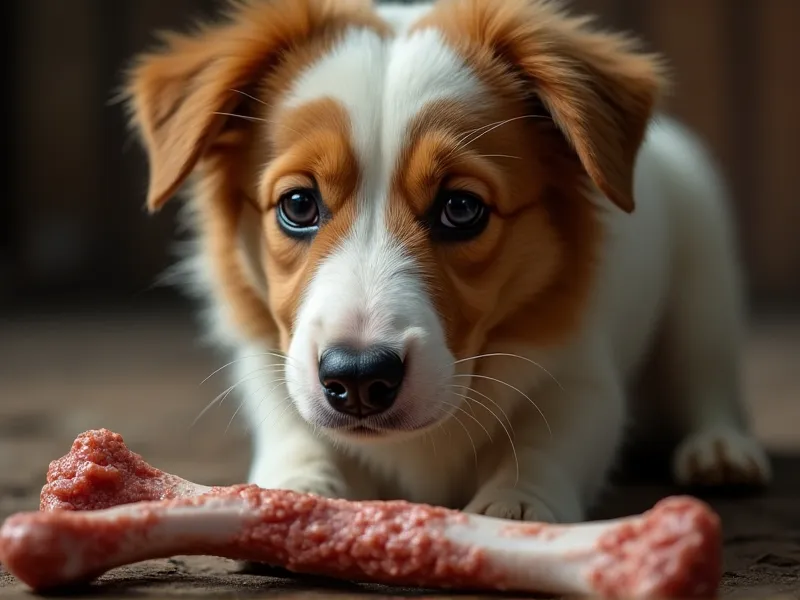
Table of Contents
- Is Venison Itself Safe for Dogs?
- Potential Benefits of Venison Bones
- The Risks: Why Venison Bones Can Be Dangerous
- How Much Venison Bone Is Safe (If Any)?
- Healthier Alternatives to Venison Bones
- FAQ: Your Venison Bone Questions Answered
- Conclusion: Prioritize Safety, Always
Is Venison Itself Safe for Dogs?
Before we tackle bones, let’s clear the air: Venison meat is generally safe and healthy for dogs. In fact, it’s a star ingredient in many premium dog foods, especially for pups with sensitivities to common proteins like chicken or beef.
Venison is:
- Lean: Low in saturated fat, making it ideal for dogs prone to obesity or pancreatitis.
- Nutrient-dense: Packed with iron (supports red blood cells), zinc (boosts immunity), and B vitamins (aids energy metabolism).
- Novel: Less likely to trigger allergies, as many dogs haven’t been exposed to it.
So, venison meat is a win. But bones? That’s where things get tricky.
Potential Benefits of Venison Bones
If handled carefully, venison bones might offer some perks. Let’s explore what proponents of raw bones (a common recommendation for safer bone feeding) often cite:
1. Natural Source of Minerals
Raw bones (never cooked!) are rich in calcium and phosphorus—essential minerals for strong bones, teeth, and muscle function. For dogs on homemade diets, bones can help balance nutrient intake (though they shouldn’t replace a vet-formulated supplement).
2. Dental Health Support
Chewing on raw bones may help scrape away plaque and tartar, reducing bad breath and lowering the risk of gum disease. However, this is debated: Some vets argue bones are too hard and can damage teeth, while others note that gentle chewing on meaty, non-splintering bones may have mild benefits.
3. Mental Stimulation
Chewing is instinctive for dogs—it relieves boredom, reduces anxiety, and satisfies their natural urge to gnaw. A meaty venison bone can keep your pup occupied for hours, especially if they’re a “power chewer.”
4. Lean Protein Boost
If the bone still has meat, sinew, or cartilage attached (think: a knuckle bone), your dog gets an extra hit of lean venison protein—great for muscle maintenance and energy.
But here’s the catch: These benefits only hold if the bone is raw, appropriately sized, and given under strict supervision. Cooked bones? They’re a whole different (and dangerous) story.
The Risks of Venison Bones: Why Caution Is Critical
While venison bones can have upsides, the risks often outweigh the benefits—especially for certain dogs. Let’s break down the dangers pet parents need to know.
1. Choking Hazard
Small venison bones (like rib bones or fragments) can get stuck in your dog’s throat, blocking their airway. Even large bones can splinter into small pieces, which are easy to inhale. Brachycephalic breeds (e.g., Bulldogs, Pugs) or dogs who gulp food are at higher risk.
2. Splintering (Cooked Bones Are the Worst)
Cooking venison bones (boiling, grilling, or roasting) dries them out, making them brittle. When chewed, they shatter into sharp, needle-like fragments that can tear the esophagus, stomach, or intestines. This can lead to internal bleeding, infection, or even death. Cooked venison bones are NEVER safe for dogs—no exceptions.
3. Intestinal Blockage
Even raw bones can break into chunks. If these pieces are too large, they can get stuck in the intestines, causing a life-threatening blockage. Symptoms include vomiting, diarrhea, lethargy, or loss of appetite—all requiring emergency surgery.
4. Dental Fractures
Venison bones (especially weight-bearing bones like femurs) are dense and hard. Aggressive chewers may crack or break teeth, leading to pain, infection, or the need for extraction. Broken teeth are not only costly to treat but can also lead to long-term dental issues.
5. Stomach Upset
Bones are hard to digest. Even small fragments can irritate the gut, causing vomiting, diarrhea, or constipation. In severe cases, bone fragments can cause a condition called “bone impaction,” where pieces clump together in the intestines.
Bottom line: For many dogs—especially small breeds, seniors, puppies, or those with digestive issues—venison bones are simply too risky.
How Much Venison Bone Is Safe for Dogs?
If you’re set on offering a venison bone (and your vet approves), follow these guidelines to minimize risk:
1. Only Feed Raw Bones
Cooked bones are off-limits. Raw bones are softer and less likely to splinter, though they still pose choking and blockage risks.
2. Choose the Right Size
- Small dogs (under 20 lbs): Avoid venison bones entirely. Even small bones are too risky.
- Medium dogs (20–50 lbs): Opt for large, meaty bones (e.g., a venison knuckle or shank bone) that your dog can’t fit entirely in their mouth.
- Large dogs (50+ lbs): Stick to extra-large bones (e.g., venison femur) with plenty of meat and cartilage to slow chewing.
3. Limit Frequency and Portion
Venison bones should be an occasional treat, not a regular part of their diet. Aim for no more than once every 1–2 weeks, and remove the bone after 15–20 minutes to prevent over-chewing.
4. Supervise 100% of the Time
Never leave your dog alone with a bone. Watch for signs of aggressive chewing (gnawing hard on one spot), swallowing large chunks, or gagging. If they start to break off small pieces, take the bone away immediately.
5. Know Your Dog’s Chewing Style
Is your pup a “nibbler” or a “gulper”? Power chewers (e.g., Labs, Pit Bulls) are more likely to break bones into dangerous pieces. If your dog is prone to swallowing food whole, skip the bone.
Healthier Alternatives to Venison Bones
If the risks of venison bones make you nervous (and they should!), there are safer ways to treat your dog while still satisfying their chewing needs. Here are our top picks:
1. Raw Meaty Bones (Safer Options)
If you want the benefits of bones without the risk, try softer, meaty bones like:
- Beef knuckles: Large, hollow, and filled with marrow—too big to splinter.
- Chicken necks (raw, for small dogs): Soft and flexible, but only for dogs who chew gently.
Always source bones from a reputable supplier to avoid contamination.
2. Vet-Approved Dental Chews
Look for chews with the VOHC (Veterinary Oral Health Council) seal, like Greenies or C.E.T. Chews. These are designed to clean teeth without splintering.
3. Antlers (With Caution)
Deer or elk antlers are long-lasting and low-mess, but they’re hard. Offer only to gentle chewers, and avoid split antlers (sharp edges!).
4. Bully Sticks
Made from dried bull pizzle, bully sticks are high in protein, digestible, and unlikely to splinter. Opt for “odor-free” versions if you’re sensitive to smells.
5. Frozen Veggies or Fruits
For a low-calorie option, try frozen carrots, sweet potatoes, or apple slices. They’re crunchy, safe, and great for teething puppies.
FAQ: Your Venison Bone Questions Answered
Q: Can puppies eat venison bones?
A: No. Puppies have smaller airways, softer teeth, and developing digestive systems, making bones (even raw) extremely risky. Stick to puppy-safe chews like rubber toys or frozen Kongs.
Q: My dog ate a cooked venison bone—what should I do?
A: Contact your vet immediately. Cooked bones splinter quickly, so even if your dog seems fine, they may have internal damage. Watch for vomiting, diarrhea, lethargy, or difficulty pooping.
Q: Are venison bones better than beef bones for dogs?
A: Not necessarily. Venison bones are leaner but still dense. Beef knuckles or marrow bones are often safer because they’re larger and less likely to splinter.
Q: Can senior dogs eat venison bones?
A: Senior dogs may have dental issues (e.g., loose teeth) or digestive problems (e.g., slower motility), making bones risky. Consult your vet first—they may recommend softer alternatives.
Q: Is raw venison bone broth safe for dogs?
A: Yes! Simmering raw venison bones (with meat) into broth extracts nutrients like collagen, calcium, and glucosamine—great for joint health. Just strain out all bone fragments before serving.
Conclusion: Prioritize Safety, Always
Venison bones can seem like a “natural” treat, but the risks—choking, splintering, blockages—are very real. While some dogs may tolerate raw, appropriately sized bones under strict supervision, there’s no guarantee of safety. For most pet parents, the peace of mind that comes with safer alternatives is worth skipping the bone.
Every dog is unique: their size, health, and chewing style all play a role. When in doubt, consult your vet—they can help you decide if venison bones (or any treat) are right for your pup.
At the end of the day, the best treat is one that keeps your dog happy, healthy, and out of harm’s way. So next time you’re tempted to share that venison bone, reach for a safer option—and enjoy the extra snuggles that come with a happy, healthy pup.
References
- American Veterinary Medical Association (AVMA). “Feeding Your Pet: Bones.” avma.org/resources/pet-owners/nutrition/feeding-your-pet-bones
- American Kennel Club (AKC). “Can Dogs Eat Venison?” akc.org/expert-advice/nutrition/can-dogs-eat-venison/
- PetMD. “Raw Bones for Dogs: Benefits and Risks.” petmd.com/dog/nutrition/raw-bones-dogs-benefits-and-risks
- Veterinary Oral Health Council (VOHC). “Accepted Products.” vohc.org/accepted-products/