· 7 min read
Can Dogs Eat Venison? A Complete Guide for Pet Parents
It’s a crisp autumn afternoon, and you’ve just returned from a successful hunting trip (or maybe you picked up a fancy venison roast from the market). As you unpack, your dog trots over, nose twitching, tail wagging like a metronome. Their big, hopeful eyes seem to ask, “Is that for me?” You pause—venison is lean, natural, and often marketed as a “premium” protein. But is it safe to share a bite with your furry friend?
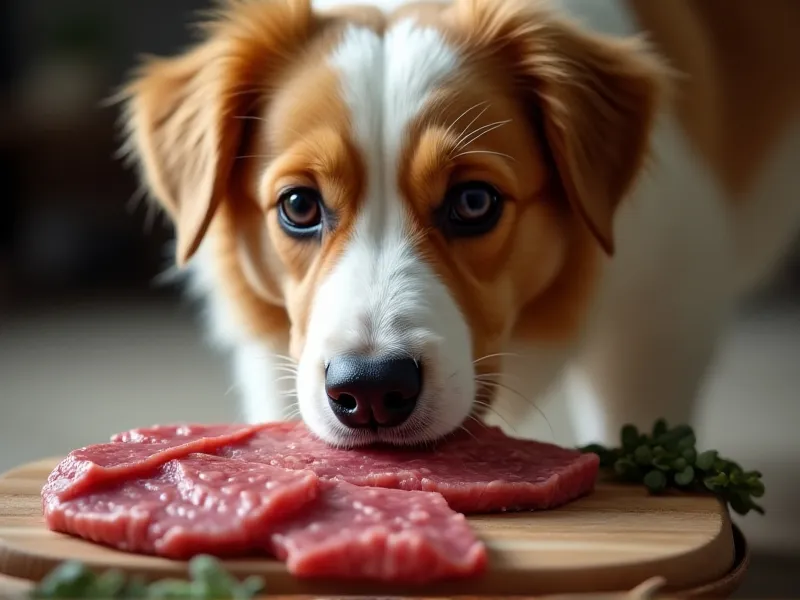
Table of Contents
- Can Dogs Eat Venison? The Short Answer
- The Benefits of Venison for Dogs
- Potential Risks to Watch For
- How Much Venison Can Dogs Safely Eat?
- Healthier Alternatives to Venison
- Frequently Asked Questions
- Conclusion: Moderation is Key
Can Dogs Eat Venison? The Short Answer
Yes, dogs can eat venison—in moderation and when prepared properly. Venison (deer meat) is a nutrient-dense, lean protein that can be a healthy addition to your dog’s diet, especially if they have food sensitivities or allergies. However, it’s not without risks: raw venison may contain parasites, seasoned or processed venison can be harmful, and overfeeding can lead to digestive upset.
In short: plain, cooked, boneless venison is generally safe as an occasional treat or supplement to your dog’s regular food. But let’s dive deeper to understand the “why” behind the rules.
The Benefits of Venison for Dogs
Venison isn’t just a trendy “game meat”—it’s packed with nutrients that can support your dog’s health. Here’s why it might be a great choice for your pup:
1. High-Quality, Lean Protein
Protein is the building block of a dog’s diet, supporting muscle growth, tissue repair, and a healthy coat. Venison is an excellent source of complete protein, meaning it contains all the essential amino acids dogs need. Unlike beef or pork, it’s also naturally low in fat (about 2-3% fat, compared to 10-15% in beef), making it ideal for dogs watching their weight or prone to pancreatitis (a painful inflammation of the pancreas caused by high-fat diets).
2. Rich in Key Nutrients
Venison is a nutritional powerhouse, boasting:
- Iron: Helps transport oxygen in the blood, preventing anemia (especially important for active dogs or those recovering from illness).
- Zinc: Supports immune function, skin health, and wound healing.
- B Vitamins (B12, Niacin): B12 aids nerve function and energy production, while niacin (B3) supports healthy digestion and a shiny coat.
- Potassium: Regulates heart rate and muscle function, keeping your dog’s heart and limbs strong.
3. Hypoallergenic and Great for Sensitive Stomachs
Many dogs develop allergies or sensitivities to common proteins like chicken, beef, or lamb. Venison is considered a novel protein (meaning most dogs haven’t been exposed to it), making it a go-to for pups with itchy skin, ear infections, or digestive issues linked to food allergies. If your vet suspects a food allergy, they may recommend a venison-based hypoallergenic diet to pinpoint the culprit.
4. Tasty and Versatile
Let’s be real—dogs love meat, and venison’s rich, slightly gamey flavor is no exception! Whether served cooked, dried as jerky (without additives), or mixed into kibble, venison is a delicious way to add variety to your dog’s meals. Just make sure it’s plain—no sauces, spices, or seasonings!
Potential Risks to Watch For
While venison has benefits, it’s not without risks. Here’s what to avoid to keep your dog safe:
1. Raw Venison: Parasites and Pathogens
Raw feeding is a hot topic, but raw venison carries significant risks. Wild deer can harbor parasites like Trichinella spiralis (which causes trichinosis, a painful infection) or ticks that transmit Lyme disease. Even farm-raised venison may contain bacteria like Salmonella or E. coli, which can sicken both dogs and humans.
The CDC and FDA strongly advise against feeding raw meat to pets, as cooking kills these harmful organisms. If you’re set on raw feeding, consult a vet first to ensure proper handling and parasite prevention.
2. Seasoned or Processed Venison
That holiday venison roast with garlic, onions, or a sugary glaze? Off-limits. Onions and garlic are toxic to dogs, causing anemia, while excessive sugar or salt can lead to obesity, diabetes, or electrolyte imbalances. Processed venison products (like deli meat, jerky with added salt/sugar, or canned venison with preservatives) are also risky—always check labels for hidden additives.
3. Stomach Upset from Overfeeding
Even plain, cooked venison can cause digestive issues if fed in large amounts. Dogs’ stomachs are sensitive to sudden diet changes, and too much rich meat can lead to vomiting, diarrhea, or pancreatitis (especially in small breeds or dogs with a history of pancreas problems). Start with tiny portions to see how your dog reacts!
4. Choking Hazards: Bones and Fat Trimmings
Venison bones—especially small, sharp ones—are a major choking risk. Cooked bones splinter easily, getting stuck in the throat or puncturing the digestive tract. Fat trimmings are also dangerous: they’re high in calories and can cause pancreatitis or blockages. Stick to boneless, lean cuts, and trim away excess fat.
How Much Venison Can Dogs Safely Eat?
The golden rule: venison should be a treat, not a meal. Treats (including venison) should make up no more than 10% of your dog’s daily calories to avoid unbalancing their diet.
Here’s a rough guide based on weight:
- Small dogs (under 20 lbs): 1-2 ounces of cooked, boneless venison per week.
- Medium dogs (20-50 lbs): 3-4 ounces per week.
- Large dogs (50+ lbs): 5-6 ounces per week.
Always introduce venison slowly: start with a tiny piece (like a teaspoon) and wait 24 hours. If your dog has diarrhea, vomiting, or lethargy, stop feeding it and consult your vet.
Healthier Alternatives to Venison
If venison is hard to find or too pricey, these lean proteins offer similar benefits:
- Turkey: Low in fat, high in protein, and a common hypoallergenic option.
- Rabbit: Another novel protein great for allergies, rich in iron and B vitamins.
- Chicken (for non-allergic dogs): Affordable, lean, and packed with protein (but avoid if your dog has chicken allergies).
- Salmon: Rich in omega-3s for skin/coat health, but feed cooked (raw salmon may have parasites).
Frequently Asked Questions
Q: Can puppies eat venison?
A: Yes, but in very small amounts. Puppies have sensitive stomachs, so introduce venison slowly (after 12 weeks old) and stick to cooked, boneless pieces.
Q: Is venison better than chicken for dogs?
A: It depends! For dogs with chicken allergies, yes. For others, chicken is affordable and just as nutritious. Both are lean, high-protein options.
Q: Can dogs eat venison bones?
A: No. Cooked bones splinter and can tear the digestive tract. Raw bones are also risky—opt for safe chews like rubber toys instead.
Q: What about venison organs (like liver or heart)?
A: Small amounts are okay! Organ meats are nutrient-dense (liver is high in vitamin A, heart in taurine) but high in fat—limit to 1-2 teaspoons per week for small dogs, 1-2 tablespoons for large dogs.
Conclusion: Moderation is Key
Venison can be a healthy, tasty treat for dogs when prepared safely—plain, cooked, boneless, and in small amounts. Its lean protein, nutrients, and hypoallergenic properties make it a great choice for many pups, especially those with allergies.
But as with any new food, consult your vet first, especially if your dog has health issues like pancreatitis or kidney disease. And remember: moderation is key—venison should complement, not replace, a balanced dog food diet.
So the next time you’re enjoying venison, feel free to share a tiny, plain bite with your pup. Just skip the seasoning, cook it well, and watch their tail wag—happy, healthy, and full of venison love!
References