· 9 min read
Can Dogs Eat Veggies? A Pet Parent’s Guide to Safe, Nutritious Snacking
It’s a familiar scene: You’re prepping a salad, chopping crisp bell peppers or steaming broccoli, when your dog saunters over. Tail thumping, nose twitching, they fix you with that “please share” stare—those big, hopeful eyes that make saying “no” feel impossible. But before you toss them a piece of cucumber, you pause: Can dogs eat veggies? Are these colorful, crunchy snacks a healthy treat, or could they do more harm than good?
If you’ve ever wondered whether veggies belong in your pup’s bowl, you’re in the right place. The short answer? Yes, many vegetables are safe and even beneficial for dogs—but not all. Some are packed with vitamins and fiber, while others can cause stomach upset, choking, or even toxicity. In this guide, we’ll break down which veggies to reach for, which to avoid, and how to serve them safely. Let’s dive in!
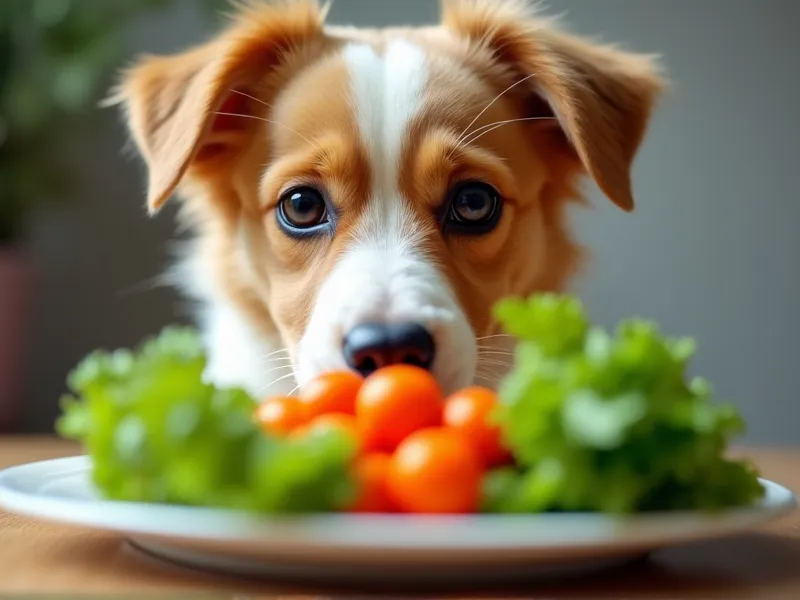
Table of Contents
- Can Dogs Eat Veggies? The Short Answer
- The Benefits of Veggies for Dogs: Why They’re More Than Just Snacks
- Risks to Watch For: When Veggies Might Hurt Your Pup
- How Much Veggie is Safe? Guidelines for Feeding
- Healthier Veggie Alternatives: Which Ones to Prioritize
- FAQ: Your Veggie Questions Answered
- Conclusion: Veggies as Part of a Balanced Pup Diet
Can Dogs Eat Veggies? The Short Answer
Let’s cut to the chase: Most vegetables are safe for dogs and can be a nutritious addition to their diet—in moderation. Dogs are omnivores, meaning their bodies thrive on a mix of protein, healthy fats, and plant-based foods (though protein should always be the star of their meals).
That said, not all veggies are created equal. Some are toxic (we’re looking at you, onions!), while others are only safe in small amounts. The key is to stick to dog-approved options, prepare them properly, and avoid overdoing it. Think of veggies as a “supplement” to their regular dog food—not a replacement.
The Benefits of Veggies for Dogs: Why They’re More Than Just Snacks
Veggies aren’t just empty calories—they’re nutrient powerhouses that can support your dog’s health in surprising ways. Here’s how adding a few greens (or oranges, or purples!) to their diet can help:
1. Packed with Essential Vitamins & Minerals
Many veggies are rich in vitamins and minerals that dogs need to thrive:
- Vitamin A: Found in carrots, sweet potatoes, and spinach, vitamin A supports eye health, skin, and immune function.
- Vitamin C: Bell peppers, broccoli, and Brussels sprouts are loaded with vitamin C, an antioxidant that fights inflammation and boosts immunity.
- Vitamin K: Leafy greens like kale and collards provide vitamin K, which helps with blood clotting and bone health.
- Potassium: Bananas are a fruit, but veggies like sweet potatoes and spinach also offer potassium, which regulates heart rhythm and muscle function.
Example: A small serving of steamed sweet potato (mashed, no added sugar!) can give your dog a vitamin A boost—great for pups with dry skin or seasonal allergies.
2. Fiber for a Happy Gut
Fiber is crucial for digestive health, and veggies are a fantastic source. Soluble fiber (found in carrots and oats) helps slow digestion and stabilize blood sugar, while insoluble fiber (in green beans and celery) keeps things moving in the gut—preventing constipation.
Pro tip: If your dog struggles with occasional constipation, a few chopped, cooked green beans (cooled!) can act as a gentle, natural laxative.
3. Low-Calorie, Crunchy Fun
Many veggies are low in calories and high in water content, making them ideal for dogs watching their weight. Instead of fatty treats (looking at you, cheese!), try offering a handful of frozen green beans or cucumber slices. They’re crunchy, satisfying, and won’t pack on the pounds.
Fun fact: Green beans are so low-calorie that some vets recommend them as a “training treat” for overweight dogs!
Risks to Watch For: When Veggies Might Hurt Your Pup
While veggies have perks, they’re not without risks. Here’s what to avoid (or limit) to keep your dog safe:
1. Toxic Veggies: These Are Never Safe
First and foremost: Some veggies are toxic to dogs and should be avoided at all costs. According to the ASPCA, the biggest offenders include:
- Onions, garlic, leeks, and chives: These contain thiosulphate, which can damage red blood cells and cause anemia. Even small amounts (like a sprinkling of onion powder on your burger) can be harmful.
- Mushrooms: Wild mushrooms are risky (some are deadly!), but even store-bought varieties can cause stomach upset or neurological issues in some dogs.
- Avocado: The pit, skin, and leaves contain persin, a toxin that can cause vomiting and diarrhea. The flesh is less toxic but still best avoided.
- Rhubarb leaves: High in oxalic acid, which can damage the kidneys.
2. Starchy Veggies: Too Much Sugar = Trouble
Veggies like potatoes, corn, and peas are starchy and high in natural sugars. While small amounts are okay, overfeeding can lead to:
- Weight gain: Excess sugar turns to fat, increasing the risk of obesity.
- Blood sugar spikes: Dogs with diabetes (or pre-diabetes) should avoid starchy veggies altogether, as they can raise blood glucose levels.
Example: A medium-sized dog (30–50 lbs) should only get 1–2 tablespoons of cooked peas per day—any more, and they might end up with an upset stomach or extra pounds.
3. Choking Hazards & Digestive Upset
Raw, large, or stringy veggies can pose choking risks, especially for small dogs or pups who gulp their food. For example:
- Raw carrots: Hard and crunchy, they can get stuck in small throats or crack teeth.
- Celery strings: The tough fibers can wrap around your dog’s throat or cause intestinal blockages.
- Uncooked broccoli florets: Small, round, and hard—easy to choke on if not chopped.
Even non-toxic veggies can cause stomach upset if fed in large amounts. Too much fiber (from kale or Brussels sprouts, for example) can lead to gas, bloating, or diarrhea.
How Much Veggie is Safe? Guidelines for Feeding
So, how do you balance the benefits and risks? Follow these rules to keep your dog happy and healthy:
1. Stick to the 10% Rule
Veggies (and all treats!) should make up no more than 10% of your dog’s daily calories. The other 90% should come from a high-quality, balanced dog food. This ensures they’re getting all the nutrients they need without overloading on veggies.
Example: A 50-lb dog needs about 1,000 calories per day. That means veggies should be 100 calories or less—roughly ½ cup of cooked green beans or ¼ cup of mashed sweet potato.
2. Adjust Portions for Your Dog’s Size
A Chihuahua and a Great Dane have very different calorie needs! Here’s a rough guide:
- Small dogs (under 20 lbs): 1–2 tablespoons of veggies per day (e.g., 2–3 baby carrots, chopped).
- Medium dogs (20–50 lbs): ¼–½ cup per day (e.g., ½ cup steamed broccoli florets).
- Large dogs (50+ lbs): ½–1 cup per day (e.g., 1 cup sliced cucumber).
3. Prep Veggies Safely
How you prepare veggies matters. Follow these tips:
- Wash thoroughly: Rinse veggies to remove pesticides, dirt, or bacteria (even organic ones!).
- Cook when needed: Some veggies (like sweet potatoes, carrots, and squash) are easier to digest when cooked. Cooking breaks down tough fibers, making nutrients more bioavailable.
- Avoid seasoning: No salt, butter, garlic, or onion powder—these can irritate your dog’s stomach (or be toxic, in the case of garlic/onion).
- Chop or mash: Cut large veggies into bite-sized pieces to prevent choking. For small dogs, mash or puree cooked veggies (like sweet potato) to make them easier to eat.
Healthier Veggie Alternatives: Which Ones to Prioritize
Not all veggies are equal—some are better (and safer) than others. Here’s a quick guide to “best bets” and “proceed with caution” options:
Best Veggie Choices (Safe, Nutritious, and Tasty!)
- Green beans: Low-calorie, high-fiber, and crunchy—perfect for weight management. Serve raw (chopped) or steamed.
- Carrots: Rich in vitamin A, but stick to small, cooked pieces (raw can be a choking hazard for small dogs).
- Broccoli: High in vitamin C and fiber, but limit to small portions (too much can cause gas). Steam or roast (no oil!).
- Cucumber: Hydrating, low-calorie, and great for hot days. Serve raw, sliced into rounds.
- Sweet potato: Packed with beta-carotene (vitamin A) and fiber. Cooked and mashed (no sugar!) is a crowd-pleaser.
Proceed with Caution (Limit or Cook These)
- Spinach: High in iron and antioxidants, but contains oxalates (which can harm kidneys in large amounts). Stick to 1–2 tablespoons per week.
- Kale: Nutrient-dense, but high in calcium oxalate. Small amounts (chopped, cooked) are okay, but avoid daily feeding.
- Peas: Starchy and sugary—limit to 1–2 tablespoons per day for medium dogs.
- Bell peppers: Safe and vitamin C-rich, but remove seeds (they can be spicy) and chop into small pieces.
Avoid These Altogether (Toxic or High Risk)
Onions, garlic, mushrooms, avocado, rhubarb leaves, and raw potatoes (green parts are toxic).
FAQ: Your Veggie Questions Answered
Got more questions? We’ve got answers!
Q: Can dogs eat raw veggies?
A: Some raw veggies are safe (like cucumber, green beans, or bell peppers), but others are better cooked. Raw carrots, for example, can be hard on small dogs’ teeth, while raw sweet potatoes are tough to digest. When in doubt, cook starchy veggies and chop raw ones into small pieces.
Q: Are tomatoes safe for dogs?
A: Ripe tomatoes are technically safe in small amounts (they’re a fruit, but often grouped with veggies). However, green tomatoes, leaves, and stems contain solanine, a toxin that can cause vomiting or diarrhea. Stick to ripe, seedless slices (and limit to 1–2 per week).
Q: Can dogs eat broccoli?
A: Yes! Broccoli is safe in small portions. The florets are the best part—steamed or roasted (no oil). Avoid the stalk, which is tough and can cause choking.
Q: Is it okay to feed my dog veggies every day?
A: Yes, as long as you stick to the 10% rule and vary the types. Rotating veggies (e.g., green beans one day, carrots the next) ensures your dog gets a range of nutrients.
Conclusion: Veggies as Part of a Balanced Pup Diet
So, can dogs eat veggies? Absolutely—when done right! Many veggies are safe, nutritious, and a fun way to add variety to your dog’s diet. From crunchy green beans to mashed sweet potatoes, these colorful snacks can boost fiber, vitamins, and hydration.
Remember: Moderation is key. Stick to 10% of daily calories, prep veggies safely (wash, cook when needed, chop small), and avoid toxic options like onions or mushrooms. And as always, if you’re unsure about a specific veggie or your dog has health issues (like diabetes or kidney disease), check with your vet first.
Your pup’s tail will thank you for those extra veggies—just maybe skip the onion dip. 😉
Sources:
- American Society for the Prevention of Cruelty to Animals (ASPCA). “Toxic and Non-Toxic Plants.” aspca.org.
- American Veterinary Medical Association (AVMA). “Nutrition for Dogs.” avma.org.
- PetMD. “Can Dogs Eat Vegetables? A Guide to Dog-Safe Veggies.” petmd.com.
- Veterinary Centers of America (VCA). “Vegetables for Dogs: Which Are Safe?” vcahospitals.com.