· 10 min read
Can Dogs Eat Vegetarian? A Pet Parent’s Guide to Plant-Based Treats & Diets
Picture this: You’re enjoying a crisp, colorful salad for lunch, and your dog trots over, tail wagging, nose twitching at the scent of fresh veggies. Those big, hopeful eyes seem to say, “Can I have a bite?” If you’re a pet parent curious about plant-based diets—for yourself or your pup—you’ve probably wondered: Can dogs eat vegetarian food? Is it safe, or will it leave them missing crucial nutrients?
Dogs are beloved members of the family, so it’s natural to want to share healthy habits with them. But when it comes to diet, their needs are unique. Let’s dive into the facts: Are vegetarian foods (like veggies, fruits, or plant-based meals) a safe addition to your dog’s bowl? And could a fully vegetarian diet ever work for your pup?
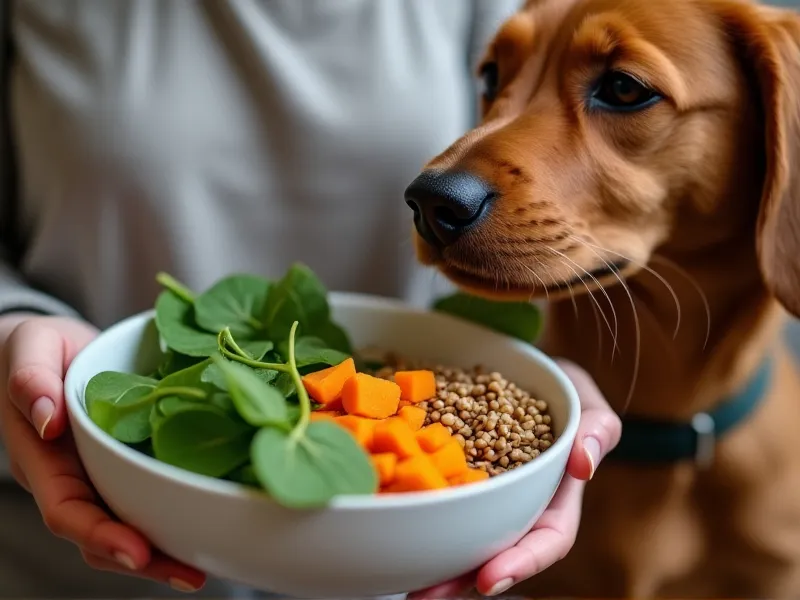
Table of Contents
- Can Dogs Eat Vegetarian? The Short Answer
- Potential Benefits of Vegetarian Foods for Dogs
- Risks to Watch Out For
- How Much Vegetarian Food Is Safe for Dogs?
- Healthier Vegetarian Alternatives (and What to Avoid)
- FAQ: Your Vegetarian Dog Questions Answered
- Conclusion: Veggies as Treats, Not a Replacement
Can Dogs Eat Vegetarian? The Short Answer
Yes, dogs can eat vegetarian food—but it’s not as simple as tossing them a side salad.
Dogs are omnivores, meaning their bodies are designed to digest and thrive on a mix of animal and plant-based foods. Unlike cats (strict carnivores who need meat to survive), dogs evolved alongside humans, adapting to scavenge or share our meals—including grains, veggies, and fruits. In fact, wild dogs and wolves naturally eat plant matter (like berries, grasses, or the stomach contents of prey) as part of their diet.
But here’s the catch: A fully vegetarian diet for dogs requires careful planning. While small amounts of veggies or plant-based treats are harmless (and even healthy!), dogs have specific nutritional needs that are harder to meet without animal products. They need high-quality protein, taurine (an amino acid critical for heart health), vitamin B12, iron, and zinc—nutrients that are most bioavailable (easily absorbed) from meat, eggs, or dairy.
So, in short: Vegetarian foods are safe for dogs as occasional treats or supplements, but a full vegetarian diet should only be considered under the guidance of a vet or veterinary nutritionist.
Potential Benefits of Vegetarian Foods for Dogs
When fed in moderation, vegetarian foods (like fresh veggies and fruits) can offer some surprising perks for your pup. Let’s break down the key benefits:
1. Fiber for Digestive Health
Many veggies are packed with fiber, which helps keep your dog’s gut moving smoothly. Fiber can:
- Prevent constipation by adding bulk to stool.
- Regulate blood sugar levels (great for dogs with diabetes).
- Support healthy gut bacteria, which boosts overall immunity.
Examples: Pumpkin (plain, unsweetened), sweet potatoes, and green beans are all high in fiber. A small spoonful of plain pumpkin, for instance, is a classic home remedy for mild diarrhea or constipation.
2. Potassium for Heart and Muscle Function
Potassium is an electrolyte that helps regulate heart rate, muscle contractions, and fluid balance. Veggies like spinach, sweet potatoes, and carrots are rich in potassium, which supports:
- Strong heart health (critical for breeds prone to heart issues, like Boxers or Cavalier King Charles Spaniels).
- Healthy muscle function (important for active dogs or seniors).
3. Vitamins and Antioxidants
Veggies are loaded with vitamins A, C, and K, plus antioxidants that fight free radicals (molecules that damage cells). For example:
- Carrots are high in beta-carotene, which converts to vitamin A (supports eye health and a shiny coat).
- Spinach (in small amounts) offers iron, vitamin K (aids blood clotting), and lutein (another eye-healthy nutrient).
- Bell peppers are packed with vitamin C, which boosts immunity and helps heal wounds.
4. Low-Calorie Treats for Weight Management
If your dog is overweight, veggies make fantastic low-calorie treats. A cup of raw carrots has just ~35 calories, compared to ~100 calories in a store-bought training treat. Swapping high-calorie treats for veggies can help your pup shed pounds without feeling deprived.
Risks to Watch Out For
While veggies can be healthy, they’re not without risks—especially if overfed or chosen carelessly. Here are the top dangers to avoid:
1. Natural Sugars and Weight Gain
Some veggies (like sweet potatoes, carrots, or peas) contain natural sugars. While these are healthier than added sugars, too much can lead to:
- Weight gain (extra calories add up!).
- Dental issues (sugars feed plaque-causing bacteria).
- Spikes in blood sugar (risky for dogs with diabetes).
Stick to low-sugar options like cucumber, zucchini, or green beans if your dog is watching their waistline.
2. Stomach Upset from Too Much Fiber
Fiber is great—until it’s not. Introducing large amounts of high-fiber veggies (like broccoli, Brussels sprouts, or cabbage) can cause:
- Gas (hello, stinky dog farts!).
- Diarrhea or loose stools.
- Bloating (a serious risk for deep-chested breeds like Great Danes, as bloat can be life-threatening).
Always start with tiny portions and monitor your dog for digestive upset.
3. Choking Hazards
Raw veggies with tough textures or strings (like celery, asparagus, or raw carrots) can pose choking risks, especially for small dogs. Large chunks can also get stuck in the throat or intestines. To avoid this:
- Chop veggies into bite-sized pieces.
- Cook tough veggies (like carrots or sweet potatoes) to soften them.
- Avoid veggies with stringy fibers (e.g., celery strings can wrap around the throat).
4. Nutrient Deficiencies (in Full Vegetarian Diets)
The biggest risk of a fully vegetarian diet is nutrient deficiency. Without animal products, dogs may lack:
- Taurine: Found in meat, fish, and eggs. A taurine deficiency can lead to dilated cardiomyopathy (a serious heart condition).
- Vitamin B12: Critical for nerve function and red blood cell production. B12 is only naturally found in animal products.
- High-quality protein: Plant proteins (like those in beans or grains) are “incomplete,” meaning they lack one or more essential amino acids. Dogs need all 10 essential amino acids to thrive.
A 2019 study in the Journal of the American Veterinary Medical Association found that many homemade vegetarian dog diets were deficient in key nutrients like taurine and calcium. This is why vet supervision is non-negotiable for full vegetarian diets.
How Much Vegetarian Food Is Safe for Dogs?
The golden rule for treats (including vegetarian ones) is: They should make up no more than 10% of your dog’s daily calories. The other 90% should come from a balanced, high-quality dog food that meets AAFCO (Association of American Feed Control Officials) standards.
So, how much is that in real terms? It depends on your dog’s size and activity level. Here’s a rough guideline:
| Dog Size | Daily Calorie Needs (Approx.) | Max Veggie Treats per Day |
|---|---|---|
| Small (5-15 lbs) | 300-500 calories | 1-2 tbsp (e.g., 5-10 carrot sticks) |
| Medium (15-50 lbs) | 500-1,000 calories | 2-4 tbsp (e.g., ½ cup green beans) |
| Large (50+ lbs) | 1,000-2,000+ calories | 4-6 tbsp (e.g., ¼ cup mashed sweet potato) |
Pro tip: Always adjust portions based on your dog’s individual needs. If they’re overweight, cut back on treats; if they’re super active (like a working dog), you might add a bit more.
Healthier Vegetarian Alternatives (and What to Avoid)
Not all vegetarian foods are created equal! Some are safe and nutritious, while others can be toxic or harmful. Here’s a quick guide to “yes” and “no” foods:
Safe & Healthy Vegetarian Treats for Dogs
These veggies and fruits are low-risk, nutrient-dense, and most dogs love them:
- Carrots: Crunchy, low-calorie, and high in vitamin A. Great for dental health (chewing raw carrots helps scrape plaque!).
- Green beans: Fresh or steamed (no salt/butter). High in fiber and vitamins C and K.
- Cucumber: Hydrating, low in calories, and a hit on hot days (try freezing slices for a cool treat!).
- Zucchini: Mild-tasting and full of fiber. Grate it into their food or serve as slices.
- Pumpkin: Plain, unsweetened pumpkin (not pie filling!) is great for digestion. Canned or fresh (cooked and mashed).
- Sweet potatoes: Cooked, mashed, or cubed. Rich in fiber and beta-carotene (but watch portions—high in natural sugars).
- Blueberries: A superfood! Packed with antioxidants and low in calories. Perfect for training treats.
Vegetarian Foods to Avoid
These are toxic, high-risk, or just plain unhealthy for dogs:
- Onions/garlic/chives: Contain compounds that damage red blood cells, leading to anemia. Even small amounts (like in garlic bread) can be harmful.
- Grapes/raisins: Toxic to dogs (exact cause unknown) and can lead to kidney failure.
- Avocado: Contains persin, which is toxic to dogs (causes vomiting/diarrhea). Also, the pit is a choking hazard.
- Mushrooms: Wild mushrooms can be toxic (even deadly). Stick to store-bought, but even then, most dogs don’t need them.
- Raw potatoes/tomato plants: Contain solanine, a toxin. Cooked potatoes (plain) are safe in small amounts, but avoid the green parts or eyes.
- Processed vegetarian foods for humans: Veggie burgers, vegan cheese, or chips are high in salt, spices, oil, or additives (like xylitol, which is toxic to dogs).
FAQ: Your Vegetarian Dog Questions Answered
Q: Can puppies eat vegetarian diets?
A: It’s not recommended. Puppies have sky-high nutrient needs for growth and development. A vegetarian diet is far more likely to be deficient in critical nutrients (like protein, calcium, or taurine), which can lead to stunted growth or organ damage. Stick to a puppy-specific commercial diet unless your vet advises otherwise.
Q: My dog has allergies—can a vegetarian diet help?
A: Maybe! Some dogs are allergic to common meat proteins (like chicken or beef). In that case, a vet-formulated vegetarian or hypoallergenic diet (with plant proteins like pea or potato) might be an option. But never switch to a vegetarian diet without testing for allergies first—your vet can run blood tests or elimination diets to pinpoint the trigger.
Q: Do vegetarian dogs need supplements?
A: Most likely, yes. Even well-planned vegetarian diets may need supplements for taurine, vitamin B12, iron, or calcium. Your vet can recommend a supplement based on your dog’s blood work and diet.
Q: Is a vegan diet (no animal products at all) safe for dogs?
A: Vegan diets are even riskier than vegetarian ones (which may include eggs/dairy). They exclude all animal products, making it extremely hard to meet taurine, B12, and protein needs. Only consider a vegan diet if your vet refers you to a board-certified veterinary nutritionist to create a custom plan.
Q: My dog loves veggies—can I replace some of their kibble with veggies?
A: In small amounts, yes! Adding a spoonful of cooked sweet potato or green beans to their kibble can boost fiber and nutrients. But don’t replace more than 10-15% of their kibble—you don’t want to dilute their balanced diet.
Conclusion: Veggies as Treats, Not a Replacement
At the end of the day, dogs are omnivores who can enjoy the occasional veggie snack—whether it’s a crunchy carrot stick or a blueberry training treat. These foods offer fiber, vitamins, and low-calorie crunch that many dogs (and their owners!) love.
But when it comes to a full vegetarian diet, proceed with caution. While it’s possible to raise a healthy vegetarian dog, it requires expert guidance to avoid nutrient deficiencies. For most dogs, the best approach is to stick to a high-quality commercial diet (formulated to meet their needs) and use veggies as fun, healthy treats.
As always, every dog is unique! If you’re considering a vegetarian diet for your pup, or just want to add more veggies to their bowl, chat with your vet first. They can help you create a plan that keeps your dog happy, healthy, and full—whether they’re munching on meat, veggies, or a little bit of both.
Here’s to many more tail wags (and crunchy carrot bites) ahead!
References
- American Veterinary Medical Association (AVMA). “Vegetarian Diets for Pets.” avma.org/resources/pet-owners/nutrition/vegetarian-diets-pets
- PetMD. “Can Dogs Eat Vegetables? Which Are Safe, Which Are Toxic.” petmd.com/dog/nutrition/can-dogs-eat-vegetables
- Larsen, J. A., & Bauer, J. E. (2019). “Nutrient Analysis of Homemade Diets for Dogs and Cats.” Journal of the American Veterinary Medical Association, 255(3), 287-294.
- American College of Veterinary Nutrition (ACVN). “Frequently Asked Questions About Pet Nutrition.” acvn.org/faqs