· 7 min read
Can Dogs Eat Vegetables? A Pet Parent’s Guide to Safe, Nutritious Snacking
You’re chopping carrots for a salad, and your dog trots over, nose twitching, tail thumping against the cabinets. “Just a little taste?” their hopeful eyes seem to beg. It’s a scenario most pet parents know well—we want to share the good stuff with our furry friends, but we also worry: Is this safe? When it comes to vegetables, the answer isn’t a simple “yes” or “no.” Some veggies are nutritional powerhouses for dogs, while others can be harmful. Let’s dive into the details to help you make informed choices about sharing your veggies with your pup.
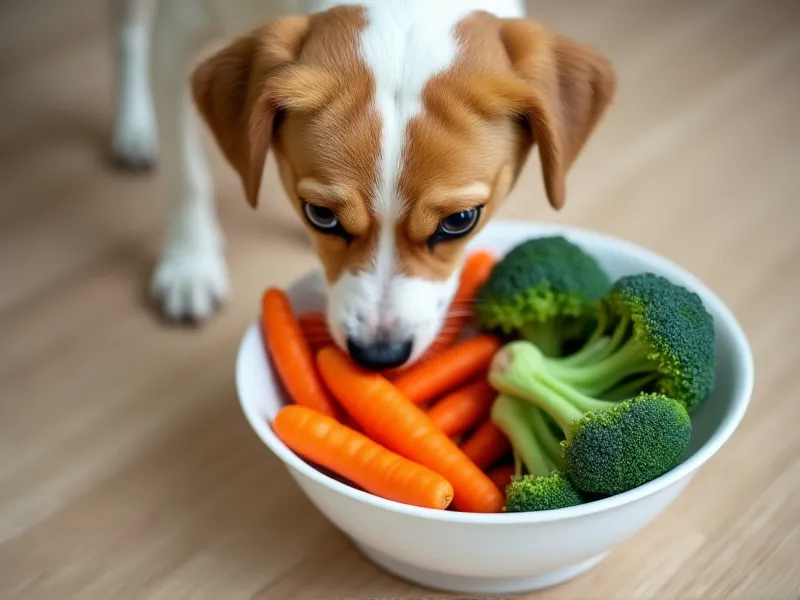
Table of Contents
- Can Dogs Eat Vegetables? The Short Answer
- The Benefits of Vegetables for Dogs: More Than Just a Crunch
- Risks to Watch For: When Veggies Go Wrong
- How Much Vegetable Is “Too Much”? Guidelines for Safe Feeding
- Healthier Veggie Alternatives to High-Calorie Treats
- FAQ: Your Top Veggie Questions Answered
- Conclusion: Veggies as a Treat, Not a Replacement
Can Dogs Eat Vegetables? The Short Answer
Yes, many vegetables are safe and even beneficial for dogs—but not all. Dogs are omnivores, meaning their bodies are designed to digest both animal and plant-based foods. In fact, high-quality commercial dog foods often include vegetables like sweet potatoes, peas, or carrots to boost nutrition. However, some veggies are toxic, and others can cause digestive upset if overfed. The key is knowing which vegetables to offer, how much to give, and how to prepare them.
The Benefits of Vegetables for Dogs: More Than Just a Crunch
When chosen wisely, vegetables can be a nutrient-dense addition to your dog’s diet. Here’s why they’re worth considering:
1. Packed with Essential Nutrients
Vegetables are rich in vitamins, minerals, and antioxidants that support your dog’s overall health:
- Vitamin A: Found in carrots, sweet potatoes, and spinach, vitamin A promotes healthy vision, skin, and coat.
- Vitamin C: Bell peppers and broccoli are great sources; this antioxidant boosts the immune system and fights inflammation.
- Vitamin K: Cruciferous veggies like kale and Brussels sprouts (in small amounts!) provide vitamin K, which aids blood clotting and bone health.
- Potassium: Bananas (yes, a fruit, but often grouped with veggies!) and sweet potatoes deliver potassium, which supports heart and muscle function.
2. Fiber for Digestive Health
Fiber is a unsung hero for dogs’ digestion. Vegetables like pumpkin (canned, plain), green beans, and zucchini are high in soluble and insoluble fiber, which:
- Regulates bowel movements (helpful for both diarrhea and constipation).
- Supports a healthy gut microbiome by feeding beneficial bacteria.
- Keeps your dog feeling full, which can aid in weight management (perfect for pups prone to overeating!).
3. Low-Calorie Treat Option
Many vegetables are low in calories and fat, making them a guilt-free alternative to processed dog treats. For example:
- A 1-cup serving of raw green beans has just 31 calories, compared to 100+ calories in a handful of store-bought biscuits.
- Carrots are crunchy, satisfying, and contain natural sugars that taste like a “treat” without spiking blood sugar.
Risks to Watch For: When Veggies Go Wrong
Not all vegetables are created equal. Some pose serious risks, while others can cause issues if overfed. Here’s what to avoid or limit:
1. Toxic Vegetables: Never Feed These!
Certain vegetables are toxic to dogs and can cause organ damage, anemia, or even death. Keep these far from your pup:
- Alliums: Onions, garlic, leeks, and chives contain thiosulphate, which destroys red blood cells and leads to anemia. Even small amounts (like a sprinkling of onion powder on your food) can be harmful over time.
- Mushrooms: Wild mushrooms are unpredictable and may contain toxins that cause liver failure. Store-bought mushrooms are safer, but it’s best to avoid them altogether to prevent accidental ingestion of wild varieties.
- Raw potatoes and tomato plants: Green potatoes and tomato leaves/stems contain solanine, a toxic compound that causes vomiting, diarrhea, and weakness. Ripe tomatoes are generally safe in small amounts, but err on the side of caution.
2. High-Sugar Veggies: Moderation is Key
Some vegetables are high in natural sugars, which can lead to weight gain or dental issues if overfed:
- Carrots and sweet potatoes: While nutrient-dense, these are high in sugar. A few baby carrots as a treat? Great. A whole cup? Too much!
- Corn: Often used as a filler in low-quality dog food, corn offers little nutritional value and can be hard to digest. It’s not toxic, but it’s not a “superfood” either.
3. Choking Hazards and Digestive Upset
Raw, hard vegetables or large chunks can pose choking risks, especially for small dogs. For example:
- Raw carrots: A whole carrot may get stuck in a small dog’s throat; slice into bite-sized pieces instead.
- Celery strings: The fibrous strings can wrap around your dog’s teeth or cause intestinal blockages. Remove strings before feeding.
Additionally, too much fiber (e.g., a sudden large serving of broccoli) can lead to gas, bloating, or diarrhea. Introduce new veggies slowly and in small amounts.
How Much Vegetable Is “Too Much”? Guidelines for Safe Feeding
Vegetables should never replace your dog’s balanced, commercial dog food. Instead, they’re best served as occasional treats or meal toppers. A good rule of thumb: Vegetables should make up no more than 10% of your dog’s daily calorie intake.
Here’s a quick guide to portion sizes based on your dog’s weight:
- Small dogs (under 20 lbs): 1–2 baby carrots, 1–2 tbsp cooked pumpkin, or 5–6 green beans per day.
- Medium dogs (20–50 lbs): 1/4 cup steamed broccoli florets, 1/3 cup zucchini slices, or 1/2 small sweet potato (cooked, plain).
- Large dogs (50+ lbs): 1/2 cup green beans, 1/4 cup canned pumpkin, or 1 medium carrot (sliced).
Pro tip: Always wash vegetables thoroughly to remove pesticides, and avoid adding salt, butter, or seasonings—these can upset your dog’s stomach.
Healthier Veggie Alternatives to High-Calorie Treats
Tired of expensive, calorie-laden treats? Swap them for these veggie options instead:
| Instead of… | Try… | Why? |
|---|---|---|
| Store-bought biscuits | Steamed green beans | Low-calorie, crunchy, and high in fiber. |
| Peanut butter (high in fat!) | Mashed pumpkin (canned, plain) | Sweet, creamy, and great for upset tummies. |
| Chewy treats | Frozen carrot sticks | Crunchy, satisfying, and naturally sweet. |
| Fried snacks | Roasted zucchini chips | Light, crispy, and full of vitamins. |
FAQ: Your Top Veggie Questions Answered
Q: Can dogs eat tomatoes?
A: Ripe, red tomatoes are safe in small amounts (they’re technically a fruit!). However, green tomatoes, stems, and leaves contain solanine, a toxin that can cause vomiting or diarrhea. Stick to ripe, seedless slices.
Q: Is spinach safe for dogs?
A: Yes! Spinach is rich in iron, calcium, and antioxidants. Serve it raw (chopped) or steamed, but limit portions—large amounts can interfere with calcium absorption.
Q: Can dogs eat raw vegetables?
A: Some are okay! Carrots, celery, and cucumber are safe raw (slice them small to avoid choking). Others, like sweet potatoes or broccoli, are easier to digest when cooked (steaming is best—boiling leaches nutrients).
Q: Are mushrooms safe for dogs?
A: Avoid wild mushrooms at all costs—many are toxic. Store-bought mushrooms (like button or shiitake) are non-toxic but offer little nutritional value. It’s safer to skip them to prevent confusion with wild varieties.
Q: Can dogs eat broccoli?
A: Yes, but in moderation! Broccoli florets are high in fiber and vitamin C, but too much can cause gas or stomach upset. Stick to 1–2 florets per 10 lbs of body weight.
Conclusion: Veggies as a Treat, Not a Replacement
Vegetables can be a wonderful addition to your dog’s diet—they’re nutritious, affordable, and most dogs love the crunch! Just remember: Moderation is key. Always introduce new veggies slowly, avoid toxic varieties, and never replace your dog’s balanced dog food with vegetables alone.
When in doubt, consult your vet—especially if your dog has health issues like diabetes, kidney disease, or food allergies. They can help you tailor a veggie plan that works for your pup’s unique needs.
So next time your dog begs for a bite of your salad, go ahead and share a carrot stick or steamed green bean. It’s a small gesture that shows you care—inside and out!
Sources: