· 7 min read
Can Dogs Eat Vegetable Soup? A Pet Parent’s Guide to Safe & Nutritious Sips
It’s a crisp autumn afternoon, and you’re cozied up with a steaming bowl of vegetable soup. Your dog, ever the opportunist, trots over, tail thumping, and gives you that “I’ll love you forever if you share” look. You pause—can dogs eat vegetable soup? Is that warm, veggie-packed goodness safe for your pup, or could it land them in the vet’s office?
If you’ve ever found yourself asking this, you’re not alone. Many pet parents want to share human foods with their furry friends, but it’s crucial to know what’s safe (and what’s not) before passing the spoon. In this guide, we’ll break down everything you need to know about vegetable soup and dogs: the benefits, the risks, how much to feed, and even healthier alternatives to keep tails wagging.
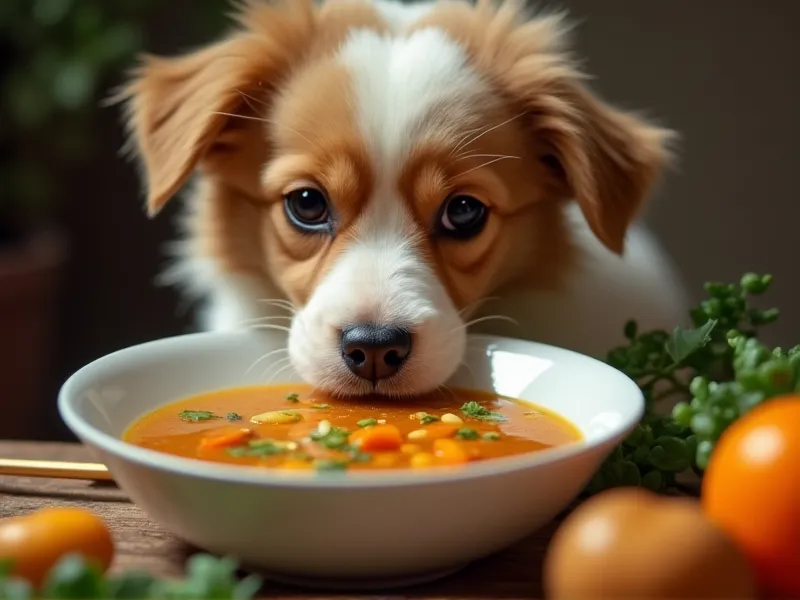
Table of Contents
- Can Dogs Eat Vegetable Soup? The Short Answer
- The Benefits of Vegetable Soup for Dogs
- The Risks: What to Watch Out For
- How Much Vegetable Soup Can Dogs Eat? Guidelines
- Healthier Alternatives: Homemade Dog-Friendly Soup
- Frequently Asked Questions (FAQ)
- Conclusion: Warm Sips, Happy Tails
- References
Can Dogs Eat Vegetable Soup? The Short Answer
Yes, dogs can eat vegetable soup—but only if it’s made with dog-safe ingredients, low in sodium, and free of harmful additives.
Vegetable soup can be a tasty, nutrient-rich treat for your pup, especially if it’s packed with dog-friendly veggies like carrots, peas, or green beans. However, not all soups are created equal. Store-bought soups, for example, often contain high levels of salt, sugar, or toxic ingredients (like onions or garlic) that can harm dogs. The key is to prioritize homemade, simple, and carefully crafted soups over processed ones.
The Benefits of Vegetable Soup for Dogs
When made right, vegetable soup can offer some surprising health perks for your dog. Let’s dive into the good stuff:
1. Nutrient Powerhouse
Vegetables are loaded with vitamins and minerals that support your dog’s overall health. For example:
- Vitamin A (from carrots, sweet potatoes): Supports eye health, immune function, and healthy skin/coat.
- Vitamin C (from green beans, bell peppers): An antioxidant that boosts immunity and fights inflammation.
- Vitamin K (from spinach, kale—in small amounts): Aids blood clotting and bone health.
- Fiber: Most veggies are high in fiber, which helps regulate digestion and keeps your dog’s gut happy (hello, regular bowel movements!).
2. Hydration Helper
Soup is mostly water, making it a great way to sneak extra hydration into your dog’s diet—especially helpful for picky drinkers or dogs recovering from illness.
3. Gentle on Sensitive Stomachs
If your dog has a sensitive gut or is recovering from an upset stomach, a bland, warm vegetable soup (with cooked, soft veggies) can be easier to digest than dry kibble. Just skip rich ingredients like cream or butter!
4. Low-Calorie Treat Option
Many veggies are low in calories, so a small bowl of soup can be a satisfying treat without packing on extra pounds—perfect for dogs watching their weight.
The Risks: What to Watch Out For
While vegetable soup can be beneficial, it’s not without risks. Here are the biggest red flags to avoid:
1. Toxic Ingredients
Some common soup ingredients are extremely toxic to dogs. The biggest culprits include:
- Onions, garlic, chives, leeks: These belong to the Allium family and contain thiosulphate, which damages dogs’ red blood cells, leading to anemia. Even small amounts (like a sprinkle of onion powder) can be harmful.
- Grapes/raisins: Found in some “fruit and vegetable” soups, these can cause kidney failure in dogs (even a single grape is risky for small breeds).
- Certain spices: Nutmeg, cinnamon (in large amounts), or chili powder can irritate your dog’s stomach or, in rare cases, cause neurological issues.
2. High Sodium
Most store-bought soups are loaded with salt to enhance flavor. Dogs need only about 100-200 mg of sodium per day (depending on size), but a single cup of canned soup can contain 800+ mg—way over the limit! Too much sodium leads to dehydration, high blood pressure, and even sodium ion poisoning (symptoms: vomiting, diarrhea, seizures).
3. Added Sugars
Many soups (especially “creamy” or “sweet” varieties) include added sugars, honey, or syrups. Dogs don’t need sugar, and excess can lead to obesity, dental issues, or even diabetes.
4. Choking Hazards
Large, chunky vegetables (like unchopped carrots or potatoes) can pose a choking risk, especially for small dogs. Always chop veggies into bite-sized pieces or blend the soup to avoid this.
5. Stomach Upset
Introducing new foods suddenly can upset your dog’s stomach, leading to diarrhea, vomiting, or gas. This is especially true for dogs with sensitive guts or those unused to veggies.
How Much Vegetable Soup Can Dogs Eat? Guidelines
Vegetable soup should always be a treat, not a meal replacement. Here’s how to portion it safely:
- Small dogs (under 20 lbs): 1–2 tablespoons per serving, 1–2 times per week.
- Medium dogs (20–50 lbs): ¼ cup per serving, 1–2 times per week.
- Large dogs (50+ lbs): ½ cup per serving, 1–2 times per week.
Key rules:
- Never replace your dog’s regular, balanced dog food with soup. Soup lacks the protein and fats dogs need to thrive.
- Introduce slowly: Start with a tiny amount (1 teaspoon for small dogs) and watch for signs of stomach upset (vomiting, diarrhea, gas) over 24 hours. If all goes well, gradually increase the portion.
- Avoid daily servings: Too much soup can lead to nutrient imbalances or weight gain.
Healthier Alternatives: Homemade Dog-Friendly Soup
The safest way to share soup with your dog is to make it yourself! Homemade soup lets you control the ingredients, sodium, and texture. Here’s a simple, dog-approved recipe:
Dog-Safe Vegetable Soup Recipe
Ingredients:
- 1 cup chopped carrots (peeled)
- ½ cup green beans (trimmed, chopped)
- ½ cup peas (fresh or frozen)
- ¼ cup sweet potato (peeled, cubed)
- 2 cups low-sodium chicken broth (or water)
- Optional: 1 tablespoon plain, cooked chicken (shredded, for extra protein)
Instructions:
- Combine carrots, green beans, sweet potato, and broth/water in a pot. Bring to a boil, then simmer for 15–20 minutes until veggies are soft.
- Add peas and cook for 2 more minutes.
- Let cool, then blend until smooth (for small dogs or puppies) or leave slightly chunky (for larger dogs).
- Stir in chicken if using.
Why it works: This soup is low in sodium, packed with fiber and vitamins, and free of toxic ingredients. Plus, it’s easy to digest!
Frequently Asked Questions (FAQ)
Q: Can dogs eat canned vegetable soup?
A: Probably not. Most canned soups are high in sodium, sugar, and preservatives. Some also contain onions or garlic. Stick to homemade instead.
Q: Is tomato soup safe for dogs?
A: In small amounts, maybe—but proceed with caution. Tomatoes themselves are safe (they’re a fruit!), but tomato soup often has added salt, sugar, or onions. Also, the leaves/stems of tomato plants are toxic, but they’re rarely in soup.
Q: Can puppies have vegetable soup?
A: Yes, but in tiny amounts. Puppies have sensitive stomachs, so introduce soup slowly (1 teaspoon at a time) and avoid spicy or rich ingredients. Wait until they’re at least 4–6 months old, and consult your vet first.
Q: What if my dog ate soup with onions?
A: Contact your vet immediately. Onions are toxic, and symptoms (lethargy, weakness, pale gums) can take 24–72 hours to appear. Early treatment (like inducing vomiting or IV fluids) is key.
Q: Can dogs eat cream-based vegetable soup?
A: No. Cream, butter, or milk can cause lactose intolerance in dogs (most adult dogs can’t digest lactose), leading to diarrhea or gas.
Conclusion: Warm Sips, Happy Tails
Vegetable soup can be a delightful, healthy treat for your dog—when done right. By sticking to homemade, dog-safe ingredients, low sodium, and small portions, you can share a cozy bowl with your pup without worry.
Remember: Every dog is different. If your dog has allergies, a chronic condition, or is on a special diet, always check with your vet before introducing new foods. And when in doubt, keep it simple—sometimes the best treats are the ones you make with love.
So next time you’re making soup, set aside a little bowl for your furry friend. Their wagging tail will be worth it!
References
- American Society for the Prevention of Cruelty to Animals (ASPCA). “People Foods to Avoid Feeding Your Pets.” aspca.org/pet-care/animal-poison-control/people-foods-avoid-feeding-your-pets
- American Veterinary Medical Association (AVMA). “Nutrition for Dogs.” avma.org/resources/pet-owners/nutrition/nutrition-dogs
- PetMD. “Can Dogs Eat Vegetables? Which Are Safe?” petmd.com/dog/nutrition/can-dogs-eat-vegetables
- AKC (American Kennel Club). “Can Dogs Eat Carrots?” akc.org/expert-advice/nutrition/can-dogs-eat-carrots