· 9 min read
Can Dogs Eat Vegetable Oil? A Pet Parent’s Guide to Safety, Benefits, and Risks
You’re stir-frying broccoli for dinner, and your pup trots over, tail wagging, nose twitching at the savory aroma. As you flip the veggies, a tiny drop of vegetable oil splatters onto the floor. Before you can react, your dog licks it up, leaving you wondering: Is vegetable oil safe for dogs?
If you’ve ever asked this question, you’re not alone. Many pet parents want to share small “human foods” with their furry friends, but it’s crucial to know what’s harmless and what could pose risks. In this guide, we’ll break down whether vegetable oil is safe for dogs, its potential benefits (if any), the risks to watch for, how much (if at all) to feed, and healthier alternatives to consider.
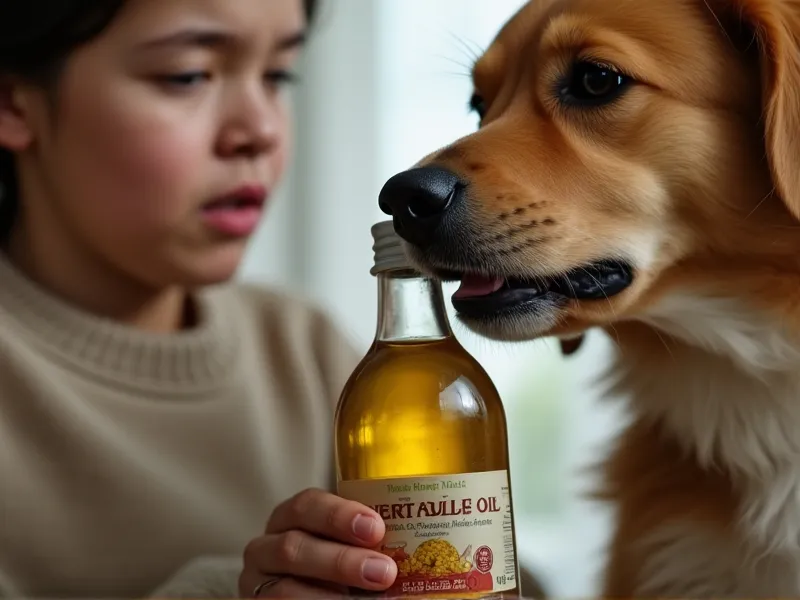
Table of Contents
- Can Dogs Eat Vegetable Oil? The Short Answer
- What Is Vegetable Oil, Anyway?
- Potential Benefits of Vegetable Oil for Dogs (Spoiler: They’re Minimal)
- Risks of Feeding Vegetable Oil to Dogs: What Pet Parents Need to Know
- How Much Vegetable Oil Can Dogs Eat? Guidelines for Safety
- Healthier Alternatives to Vegetable Oil for Dogs
- FAQ: Your Vegetable Oil Questions Answered
- Conclusion: Moderation and Vet Guidance Are Key
Can Dogs Eat Vegetable Oil? The Short Answer
Yes, dogs can eat small amounts of plain, unflavored vegetable oil without immediate toxicity—but it’s not recommended as a regular part of their diet.
Vegetable oil itself isn’t poisonous to dogs, but it’s high in fat and calories, which can lead to serious health issues if overfed. Think of it like junk food for dogs: a tiny bite won’t hurt, but making it a habit could spell trouble. Most dogs get all the fats and nutrients they need from a balanced commercial dog food, so vegetable oil is rarely necessary.
What Is Vegetable Oil, Anyway?
Before diving into safety, let’s clarify what we mean by “vegetable oil.” This term typically refers to oils extracted from plants, such as:
- Soybean oil
- Canola oil
- Sunflower oil
- Corn oil
- Palm oil
- Safflower oil
These oils are liquid at room temperature (except palm oil, which is semi-solid) and are high in polyunsaturated and monounsaturated fats, with varying levels of saturated fat. They’re commonly used in cooking, baking, and processed foods.
For dogs, the key concern is not the source (soy vs. sunflower, for example) but the fat content and lack of nutritional value beyond calories.
Potential Benefits of Vegetable Oil for Dogs (Spoiler: They’re Minimal)
At first glance, vegetable oil might seem like a “healthy” addition to your dog’s diet—after all, humans use it for cooking! But dogs have different nutritional needs, and the benefits of vegetable oil are limited. Here’s what you need to know:
1. Fatty Acids (But Not the “Good” Kind, Usually)
Vegetable oils are rich in omega-6 fatty acids, which are essential for dogs (they can’t produce them on their own). Omega-6s support skin health, coat shine, and immune function. However, most high-quality dog foods already contain balanced omega-6s (from ingredients like chicken fat or flaxseed). Adding vegetable oil could throw off the delicate balance between omega-6 and omega-3 fatty acids (which reduce inflammation). Too much omega-6 and too little omega-3 can lead to chronic inflammation, worsening issues like allergies or joint pain.
2. Occasional Constipation Relief
In rare cases, vets may recommend a tiny amount of oil to help with mild constipation (think: a teaspoon for a 50-pound dog). The oil can lubricate the digestive tract, making it easier for stool to pass. But this is a temporary fix, not a long-term solution. And there are better, safer oils for this purpose (more on that later!).
3. Calorie Boost for Underweight Dogs
If your dog is underweight or has trouble eating (e.g., due to illness), a vet might suggest adding small amounts of fat to their meals to increase calorie intake. Vegetable oil is calorie-dense (about 120 calories per tablespoon), but again, healthier oils (like olive oil) are preferred because they offer additional nutrients.
The bottom line: Vegetable oil doesn’t provide unique benefits that your dog can’t get from their regular, balanced diet. It’s not toxic, but it’s not “good” for them, either.
Risks of Feeding Vegetable Oil to Dogs: What Pet Parents Need to Know
The risks of vegetable oil far outweigh the minimal benefits. Here are the biggest dangers to watch for:
1. Pancreatitis: A Life-Threatening Risk
The most serious risk of feeding vegetable oil to dogs is pancreatitis—inflammation of the pancreas. The pancreas produces enzymes to digest food, and a sudden influx of fat (like from a spoonful of oil) can trigger these enzymes to attack the pancreas itself. Symptoms include:
- Severe abdominal pain (hunched back, reluctance to move)
- Vomiting (may be frequent or projectile)
- Diarrhea (often greasy or bloody)
- Lethargy
- Loss of appetite
- Dehydration
Pancreatitis is painful and can be fatal if not treated immediately. Small dogs, overweight dogs, and breeds prone to pancreatitis (like Miniature Schnauzers) are at higher risk.
2. Stomach Upset (Diarrhea, Vomiting, Gas)
Even small amounts of vegetable oil can irritate your dog’s digestive system. Fat is hard to digest, and an overload can lead to:
- Loose stools or diarrhea
- Vomiting
- Bloating or gas
Puppies, senior dogs, and dogs with sensitive stomachs are especially prone to these issues.
3. Weight Gain and Obesity
Vegetable oil is loaded with empty calories—no protein, vitamins, or minerals, just fat. Feeding even a tablespoon regularly can add hundreds of extra calories to your dog’s diet, leading to weight gain. Obesity in dogs increases the risk of diabetes, heart disease, joint pain, and shortened lifespan.
4. Additives and Processed Oils
Not all vegetable oils are created equal. Many store-bought oils are processed with chemicals, or they’re blended with other ingredients (like salt, spices, or preservatives) that are harmful to dogs. For example, garlic-infused vegetable oil is toxic to dogs (garlic causes anemia). Always check the label: only plain, unflavored, unprocessed vegetable oil is even remotely safe (and still not recommended!).
How Much Vegetable Oil Can Dogs Eat? Guidelines for Safety
If you must feed your dog vegetable oil (e.g., on your vet’s advice for constipation), stick to these rules:
- Size matters: A Chihuahua can’t handle the same amount as a Great Dane. A general (very loose) guideline is 1 teaspoon per 20 pounds of body weight, no more than once a week.
- Plain and pure: No additives, salt, spices, or flavorings.
- Rare treat only: Never make it a daily habit.
- Monitor for reactions: Watch for diarrhea, vomiting, or lethargy for 24 hours after feeding. If you see these signs, stop immediately and contact your vet.
But here’s the best advice: Don’t feed vegetable oil to your dog at all. There’s no need, and the risks outweigh the (minimal) benefits.
Healthier Alternatives to Vegetable Oil for Dogs
If you want to add a little oil to your dog’s diet (for coat health, constipation, or calories), skip the vegetable oil and opt for these safer, more nutritious options:
1. Olive Oil
Olive oil is a dog-safe favorite! It’s rich in monounsaturated fats (the “good” fats) and antioxidants like vitamin E, which support heart health and reduce inflammation. A teaspoon per 20 pounds of body weight, mixed into food 2-3 times a week, can boost coat shine and skin health.
2. Coconut Oil
Coconut oil contains medium-chain triglycerides (MCTs), which are easy for dogs to digest. MCTs support brain health, energy levels, and may even help fight bacteria and yeast (great for dogs with skin infections). Start with ¼ teaspoon per 10 pounds of body weight daily, mixed into food.
3. Fish Oil
Fish oil is a goldmine for omega-3 fatty acids (EPA and DHA), which reduce inflammation, support joint health, and improve cognitive function (especially in senior dogs). Look for a high-quality, mercury-free fish oil supplement (like salmon oil) and follow your vet’s dosage instructions (usually based on your dog’s weight).
4. Flaxseed Oil
Flaxseed oil is another source of omega-3s (ALA), which the body converts to EPA and DHA. It’s great for dogs with dry, itchy skin. Start with ½ teaspoon per 30 pounds of body weight, once daily.
All these oils offer nutritional benefits beyond just calories, making them far better choices than vegetable oil. Always introduce new oils slowly to avoid stomach upset!
FAQ: Your Vegetable Oil Questions Answered
Q: My dog accidentally ate a lot of vegetable oil (like a whole bottle). What should I do?
A: Call your vet or an emergency animal clinic immediately. A large amount of oil can cause severe pancreatitis, vomiting, or diarrhea. Your vet may induce vomiting or recommend monitoring for symptoms like abdominal pain or lethargy.
Q: Is canola oil safer than other vegetable oils for dogs?
A: Canola oil is lower in saturated fat than some other vegetable oils (like palm oil), but it’s still high in omega-6s and empty calories. It’s not toxic, but it’s not “safer”—it carries the same risks (pancreatitis, weight gain) as other vegetable oils.
Q: Can vegetable oil help my dog’s dry skin or dull coat?
A: Probably not. Dry skin is often due to omega-3 deficiency, allergies, or underlying health issues. Vegetable oil’s high omega-6 content could worsen inflammation. Instead, try fish oil or olive oil, which have been shown to improve coat health.
Q: Is vegetable oil toxic to puppies?
A: Puppies have smaller digestive systems and are more sensitive to high-fat foods. Even a small amount of vegetable oil could cause diarrhea or vomiting. Avoid feeding it to puppies unless directed by a vet.
Q: Can I use vegetable oil to make homemade dog treats?
A: It’s better to skip it. Homemade treats should focus on dog-safe, nutrient-dense ingredients like pumpkin, peanut butter (xylitol-free!), or oats. If you need a binding agent, use a tiny bit of olive oil instead.
Conclusion: Moderation and Vet Guidance Are Key
So, can dogs eat vegetable oil? Technically, yes—in tiny, occasional amounts. But it’s not recommended. Vegetable oil offers no unique benefits, is high in fat, and can lead to pancreatitis, weight gain, or stomach upset.
Instead of reaching for the vegetable oil bottle, focus on keeping your dog’s diet simple: high-quality commercial food (or a vet-approved homemade diet) with occasional, safe treats. If you want to boost their health with oil, opt for olive oil, coconut oil, or fish oil—your pup’s body (and coat!) will thank you.
As always, when in doubt, consult your vet. They know your dog’s unique needs and can recommend the best additions (if any) to their diet.
Here’s to happy, healthy pups—and fewer kitchen splatter scares!
References
- American Kennel Club (AKC). “Can Dogs Eat Olive Oil?” akc.org
- ASPCA Animal Poison Control Center. “Toxic and Non-Toxic Plants.” aspca.org (Note: Vegetable oil is not listed as toxic.)
- PetMD. “Healthy Oils for Dogs: Benefits and Risks.” petmd.com
- Coates, J. (2020). “Pancreatitis in Dogs.” VCA Animal Hospitals. vcahospitals.com