· 7 min read
Can Dogs Eat Vanilla Cookies? The Sweet Truth Every Pet Parent Should Know
It’s a cozy evening, and you’re savoring a buttery vanilla cookie—crunchy, sweet, and perfectly comforting. Out of the corner of your eye, you notice your dog: tail wagging, head tilted, those irresistible puppy eyes locked on your treat. “Just a tiny bite?” you wonder. “Surely one little vanilla cookie won’t hurt, right?”
If you’ve ever found yourself in this scenario, you’re not alone. Many pet parents grapple with whether to share human snacks with their furry companions. Vanilla cookies seem harmless enough, but are they safe for dogs? Today, we’re breaking down the facts: the potential benefits (spoiler: they’re minimal), the hidden risks, and healthier alternatives to keep your pup happy and healthy. Let’s dive in!
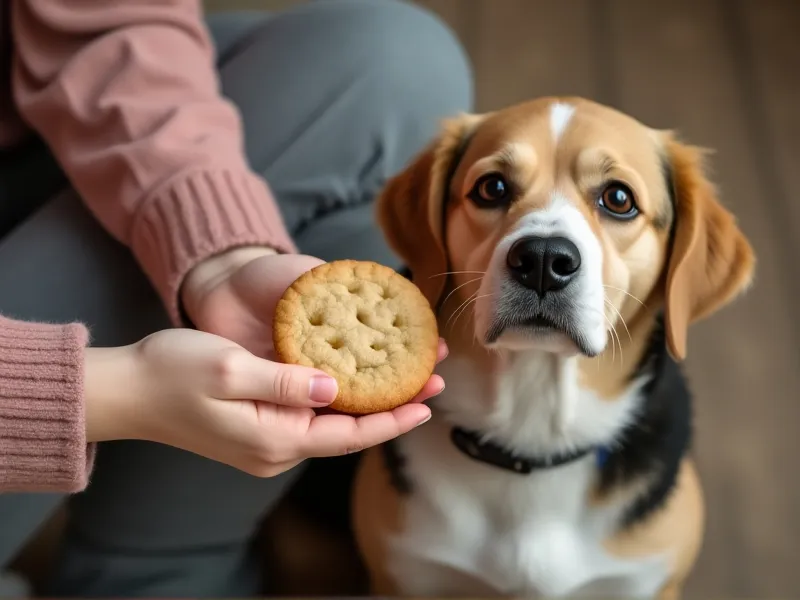
Table of Contents
- Can Dogs Eat Vanilla Cookies? The Short Answer
- What’s in a Vanilla Cookie, Anyway?
- Potential Benefits: Are Vanilla Cookies Good for Dogs?
- The Risks: Why Vanilla Cookies Are (Usually) a Bad Idea
- How Much Vanilla Cookie Is “Safe”? Guidelines for Pet Parents
- Healthier Alternatives to Vanilla Cookies
- FAQ: Your Vanilla Cookie Questions Answered
- Conclusion: Prioritize Your Pup’s Health
- References
Can Dogs Eat Vanilla Cookies? The Short Answer
No, vanilla cookies are not a safe or healthy treat for dogs.
Here’s why: While vanilla itself is non-toxic to dogs (in small amounts), most vanilla cookies are packed with sugar, unhealthy fats, and refined ingredients that offer zero nutritional value and pose real risks to your pup’s health. Think of it like junk food for dogs—tasty for them, but harmful if given regularly (or even occasionally in large amounts).
What’s in a Vanilla Cookie, Anyway?
To understand why vanilla cookies are problematic, let’s peek at the ingredient list of a typical store-bought vanilla cookie:
- Refined flour: Stripped of nutrients, offering empty calories.
- Sugar: Often in large quantities (white sugar, brown sugar, or corn syrup).
- Butter or margarine: High in saturated fat.
- Vanilla flavoring: Artificial or natural (natural vanilla extract may contain small amounts of alcohol).
- Leavening agents: Baking soda or powder (generally safe, but irrelevant for nutrition).
- Additives: Artificial colors, preservatives, or “natural flavors” (which can be vague and potentially irritating).
Homemade vanilla cookies might swap some ingredients (e.g., whole wheat flour, honey instead of sugar), but even then, they’re still high in sugar and fat compared to dog-safe alternatives.
Potential Benefits: Are Vanilla Cookies Good for Dogs?
Let’s be honest: There’s no real nutritional benefit to feeding your dog a vanilla cookie. Any “pros” are minimal and far outweighed by the risks. That said, if we stretch to find silver linings in a homemade, dog-friendly version (e.g., made with oats, banana, or pumpkin), you might get trace amounts of:
- Fiber: From whole grains like oats, which supports digestive health.
- Potassium: From bananas or sweet potatoes, which aids heart and muscle function.
- Antioxidants: If ingredients like blueberries are added (though that’s more of a “berry cookie” than vanilla).
But here’s the kicker: These nutrients are already present in your dog’s balanced commercial food or in healthier treats (like fresh fruit). A vanilla cookie is a nutrient-poor way to get them.
The Risks: Why Vanilla Cookies Are (Usually) a Bad Idea
Now, let’s get to the real concern: the risks. Even a small vanilla cookie can cause problems for your dog, especially if given regularly.
Sugar: A Sweet Threat to Your Dog’s Health
Sugar is the biggest culprit in vanilla cookies. Dogs have no biological need for added sugar, and too much can lead to:
- Obesity: Extra calories from sugar quickly add up, leading to weight gain—a risk factor for diabetes, joint pain, and heart disease.
- Dental disease: Sugar feeds harmful bacteria in your dog’s mouth, causing plaque, tartar, and cavities.
- Insulin resistance: Over time, frequent sugar intake can impair your dog’s ability to regulate blood sugar, increasing diabetes risk.
The ASPCA notes that while small amounts of sugar won’t poison your dog, “excess sugar can lead to obesity and other health issues” [1].
High Fat: A Recipe for Pancreatitis and Stomach Upset
Butter (or oil) makes cookies rich and delicious—but it’s also high in fat. Dogs’ digestive systems aren’t built to handle large amounts of fat, which can trigger:
- Pancreatitis: A painful, potentially life-threatening condition where the pancreas becomes inflamed. Symptoms include vomiting, diarrhea, lethargy, and loss of appetite. Even a single high-fat treat can cause this in susceptible dogs [2].
- Stomach upset: Vomiting, diarrhea, or gas—common reactions to rich, fatty foods, especially in small dogs or those with sensitive tummies.
Hidden Dangers: Additives, Choking Hazards, and More
Beyond sugar and fat, vanilla cookies can hide other risks:
- Artificial additives: Artificial flavors, colors, or preservatives (like BHA/BHT) may irritate your dog’s stomach or trigger allergies.
- Choking hazards: Hard, crunchy cookies can pose a choking risk, especially for small dogs or aggressive chewers.
- Xylitol (in “sugar-free” cookies): Some sugar-free vanilla cookies use xylitol, a sugar substitute that’s highly toxic to dogs. Even a tiny amount can cause seizures, liver failure, or death [3]. Always check labels!
How Much Vanilla Cookie Is “Safe”? Guidelines for Pet Parents
If you must share a crumb (we get it—those puppy eyes are hard to resist!), follow these rules:
- Stick to a tiny amount: A single crumb or a bite no bigger than your thumbnail.
- Only occasionally: Once a month at most—never weekly.
- Check the ingredients first: Avoid cookies with chocolate, raisins, xylitol, or excessive sugar.
- Skip if your dog has health issues: If your dog is overweight, diabetic, or has pancreatitis, even a crumb is off-limits.
- Monitor for reactions: Watch for vomiting, diarrhea, or lethargy afterward. If you see these, contact your vet.
Healthier Alternatives to Vanilla Cookies
Instead of vanilla cookies, treat your dog to these safer, nutrient-packed options:
Homemade Dog-Friendly Treats
Whip up a batch of these easy, low-sugar treats—your dog will love them, and you’ll feel good about giving them!
Pumpkin Peanut Butter Bites (makes 12 treats):
- 1 cup oats (blended into flour)
- ½ cup canned pumpkin (unsweetened)
- 2 tbsp natural peanut butter (no xylitol!)
- 1 egg (optional, for binding)
- 1 tsp cinnamon (safe and tasty for dogs!)
Mix ingredients, roll into balls, and bake at 350°F (175°C) for 15–20 minutes. Let cool, then store in the fridge for up to a week.
Store-Bought Dog Treats
Look for dog-specific cookies made with whole ingredients, like:
- Zuke’s Mini Naturals: Soft, low-calorie treats with real meat or fruit.
- Blue Buffalo Wilderness Trail Treats: Grain-free, high-protein options.
- Wellness Soft Puppy Bites: Gentle on sensitive tummies (great for puppies!).
Always check the label for “no added sugar” and “no artificial additives.”
Fresh Fruits and Veggies
Nature’s candy! These are low-calorie, nutrient-dense, and safe for most dogs:
- Apples (core and seeds removed): Crunchy and high in fiber.
- Blueberries: Packed with antioxidants.
- Carrots: Crunchy, low-calorie, and great for dental health.
- Bananas: A small slice (high in potassium!) as an occasional treat.
FAQ: Your Vanilla Cookie Questions Answered
Can dogs have vanilla extract?
Vanilla extract often contains alcohol (up to 35%), which is toxic to dogs in large amounts. A tiny drop (like in a homemade treat) is unlikely to harm, but it’s safer to use alcohol-free vanilla bean paste or skip it [4].
What if my dog ate a whole vanilla cookie?
Don’t panic, but monitor them closely for 24 hours. Watch for vomiting, diarrhea, lethargy, or loss of appetite. If they ate multiple cookies or have health issues, call your vet—pancreatitis can take 12–24 hours to show symptoms [2].
Are vanilla wafers (like Nilla Wafers) safer than regular cookies?
No—vanilla wafers are still high in sugar and refined flour. They offer no benefits and carry the same risks as other vanilla cookies.
Can puppies eat vanilla cookies?
Puppies have sensitive digestive systems and are still growing. Skip the cookie—opt for a puppy-safe treat like a small piece of cooked sweet potato instead.
Conclusion: Prioritize Your Pup’s Health
Vanilla cookies might seem harmless, but they’re a sugary, fatty snack that offers no real value to your dog. While a tiny crumb won’t hurt occasionally, there are far better ways to show your pup love—like a walk, a belly rub, or a healthy treat.
When in doubt, always consult your vet before introducing new foods. They can help you choose treats that fit your dog’s age, health, and lifestyle.
After all, your dog deserves treats that make them feel as good as they taste. Here’s to many happy, healthy snack times ahead!
References
[1] American Society for the Prevention of Cruelty to Animals (ASPCA). “People Foods to Avoid Feeding Your Pets.” aspca.org/pet-care/animal-poison-control/people-foods-avoid-feeding-your-pets
[2] VCA Animal Hospitals. “Pancreatitis in Dogs.” vcahospitals.com/know-your-pet/pancreatitis-in-dogs
[3] Pet Poison Helpline. “Xylitol Toxicity in Dogs.” petpoisonhelpline.com/poison/xylitol/
[4] American Kennel Club (AKC). “Can Dogs Eat Vanilla?” akc.org/expert-advice/nutrition/can-dogs-eat-vanilla/