· 7 min read
Can Dogs Eat Vanilla Bean Ice Cream? The Sweet Truth Every Pet Parent Should Know
It’s a sunny afternoon, and you’re curled up with a cone of creamy vanilla bean ice cream—rich, sweet, and dotted with tiny black vanilla bean specks. Suddenly, your dog plops down beside you, tail wagging furiously, nose twitching at the scent. Those big, imploring eyes seem to say, “Share? Please?”
As a pet parent, you want to spoil your furry friend—but you also want to keep them healthy. So, can dogs eat vanilla bean ice cream? Is that tiny lick harmless, or are you putting your pup at risk?
In this post, we’ll break down the facts: the potential (minimal) benefits, the real risks, how much (if any) is safe, and healthier alternatives to satisfy their sweet tooth. Let’s dive in!
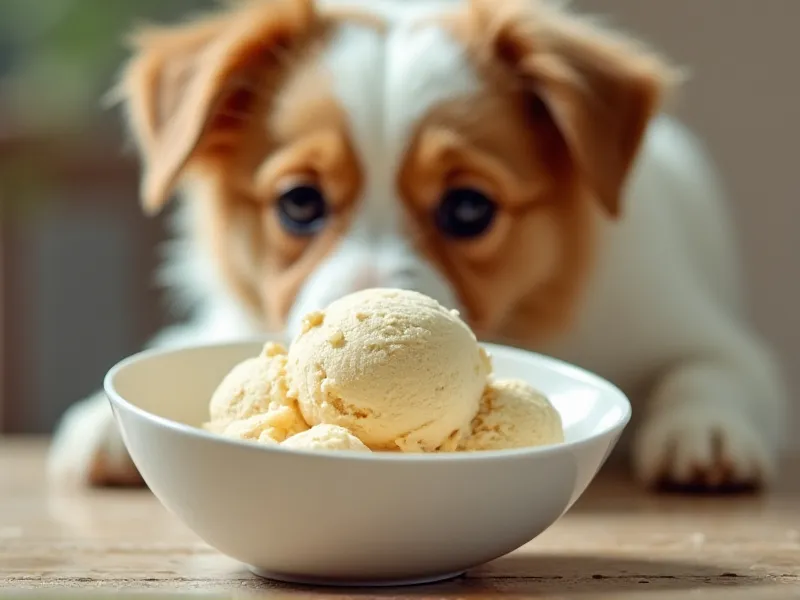
Table of Contents
- Can Dogs Eat Vanilla Bean Ice Cream? The Short Answer
- Potential “Benefits” of Vanilla Bean Ice Cream for Dogs (Spoiler: They’re Minimal)
- The Real Risks: Why Vanilla Bean Ice Cream Isn’t Ideal for Dogs
- How Much Vanilla Bean Ice Cream Is “Safe” for Dogs?
- Healthier Alternatives to Vanilla Bean Ice Cream
- FAQ: Your Top Questions Answered
- Final Thoughts: Enjoy Responsibly, and Consult Your Vet
1. Can Dogs Eat Vanilla Bean Ice Cream? The Short Answer
Yes, but very sparingly—and with caveats.
Vanilla bean ice cream isn’t toxic to dogs, but it’s far from a healthy treat. The sugar, lactose, and potential choking hazards make it a risky choice for regular snacking. A tiny lick on a hot day is unlikely to harm most dogs, but larger portions or frequent treats could lead to health issues.
2. Potential “Benefits” of Vanilla Bean Ice Cream for Dogs (Spoiler: They’re Minimal)
Let’s get this out of the way: Vanilla bean ice cream isn’t a “nutritious” treat for dogs. Any “benefits” are negligible compared to the risks. But for the sake of thoroughness, here’s what might be considered a silver lining (if you squint):
Trace Nutrients from Milk
Ice cream is made with milk, which contains calcium, potassium, and protein. Calcium supports bone health, potassium aids muscle function, and protein is essential for growth and repair. However, most adult dogs don’t need extra calcium (their kibble is balanced), and many can’t digest milk well (more on that later).
A Tiny Bit of Fiber from Vanilla Beans
Vanilla beans themselves contain small amounts of dietary fiber. Fiber is good for digestion, but the amount in a scoop of ice cream is minuscule—we’re talking micrograms. Your dog would get far more fiber from a carrot or a spoonful of pumpkin.
Bottom line: The “benefits” are so minor they’re not worth seeking out. Ice cream should never be used as a source of nutrition for your dog.
3. The Real Risks: Why Vanilla Bean Ice Cream Isn’t Ideal for Dogs
Now, let’s talk about the downsides—because they’re significant. Here’s why vanilla bean ice cream is better left off your dog’s menu (most of the time):
1. Sugar Overload: A Recipe for Obesity, Diabetes, and Dental Disease
Sugar is the biggest culprit. A single scoop of vanilla bean ice cream can contain 10–15 grams of sugar (or more!). For context, a 20-pound dog should consume no more than 2 grams of sugar per day (according to the American Kennel Club). That means even a small spoonful could exceed their daily limit.
Excess sugar leads to:
- Obesity: Extra calories from sugar quickly add up, increasing the risk of joint pain, heart disease, and other obesity-related issues.
- Diabetes: Chronic sugar intake can impair insulin function, raising the risk of canine diabetes.
- Dental problems: Sugar feeds harmful bacteria in your dog’s mouth, leading to plaque, tartar, and tooth decay.
2. Lactose Intolerance: Stomach Upset Waiting to Happen
Most dogs lose the ability to digest lactose (the sugar in milk) as they mature. Puppies have lactase, the enzyme needed to break down lactose, but production drops off around 6–8 weeks of age. According to VCA Hospitals, up to 65% of dogs are lactose intolerant to some degree.
What happens when a lactose-intolerant dog eats ice cream? The undigested lactose ferments in the gut, causing:
- Gas and bloating
- Diarrhea (sometimes severe)
- Vomiting
- Abdominal pain
Even dogs who can tolerate small amounts of milk may struggle with ice cream, which is more concentrated (thanks to the churning process).
3. Choking Hazard: Vanilla Bean Specks
Vanilla bean ice cream contains tiny, hard specks from the vanilla pod. For small dogs, puppies, or dogs who gulp their food, these specks can pose a choking risk. They could also get stuck in their teeth or throat, leading to discomfort or injury.
4. Hidden Ingredients: Always Check the Label
Some vanilla ice creams include extra ingredients that are toxic to dogs, like:
- Xylitol: A sugar substitute found in “sugar-free” products (though rare in ice cream, always check!). Xylitol causes life-threatening low blood sugar and liver failure in dogs.
- Chocolate or nuts: Flavored ice creams (like “vanilla bean with chocolate swirl”) may contain chocolate (toxic) or macadamia nuts (also toxic). Stick to plain vanilla bean, and always read the label.
4. How Much Vanilla Bean Ice Cream Is “Safe” for Dogs?
If you must share a tiny taste (we get it—those puppy eyes!), follow these guidelines:
- Size matters: A teaspoon for small dogs (under 20 lbs), a tablespoon for medium dogs (20–50 lbs), and up to 2 tablespoons for large dogs (over 50 lbs).
- Occasional only: Once every few months, not weekly.
- Watch for reactions: After giving a small amount, monitor your dog for 24 hours. If they show signs of stomach upset (diarrhea, vomiting, gas), skip ice cream entirely in the future.
Never feed ice cream to dogs with:
- Diabetes
- Obesity
- Lactose intolerance (obvious from past reactions to dairy)
- Pancreatitis (high fat content can trigger attacks)
5. Healthier Alternatives to Vanilla Bean Ice Cream
Instead of ice cream, treat your dog to these dog-friendly frozen snacks—they’re lower in sugar, easier to digest, and just as refreshing:
1. Frozen Banana Slices
Bananas are naturally sweet, high in potassium, and low in calories. Slice them, freeze them, and serve as a crunchy, icy treat.
2. Plain, Unsweetened Yogurt (Frozen)
Opt for lactose-free yogurt (or plain Greek yogurt, which is lower in lactose) to avoid stomach upset. Freeze it in ice cube trays for a creamy, probiotic-rich snack.
3. Pumpkin Puree Popsicles
Mix 1 cup of plain pumpkin puree (no sugar or spices!) with ½ cup of water, pour into molds, and freeze. Pumpkin is high in fiber and great for digestion.
4. Dog-Specific Ice Cream Brands
Brands like Frosty Paws or Petco’s “Pup-Sicles” are made with dog-safe ingredients (no sugar, lactose-free milk) and are designed to be gentle on their tummies.
5. Homemade “Doggie Ice Cream”
Blend 1 ripe banana, ½ cup plain yogurt, and 1 tablespoon peanut butter (xylitol-free!) until smooth. Freeze in a bowl and serve with a spoon.
6. FAQ: Your Top Questions Answered
Q: Can puppies eat vanilla bean ice cream?
A: It’s best to avoid it. Puppies have developing digestive systems and are more prone to lactose intolerance and stomach upset. Stick to puppy-safe treats like frozen blueberries instead.
Q: My dog ate a whole bowl of vanilla bean ice cream—what should I do?
A: Stay calm, but monitor them closely. Watch for vomiting, diarrhea, excessive gas, or lethargy. If symptoms are severe (e.g., bloody diarrhea, inability to keep water down), contact your vet immediately. For small dogs or those with health issues, even a bowl could be dangerous.
Q: Is lactose-free vanilla ice cream safer?
A: It’s better than regular ice cream (no lactose = less stomach upset), but it still contains sugar. Use it as an occasional treat, not a regular snack.
Q: Can dogs have vanilla extract instead?
A: No! Vanilla extract is made with alcohol, which is toxic to dogs. Even a small amount can cause vomiting, coordination issues, or worse.
7. Final Thoughts: Enjoy Responsibly, and Consult Your Vet
At the end of the day, vanilla bean ice cream isn’t toxic to dogs—but it’s not a good choice for regular treats. A tiny lick on a hot day is unlikely to harm most dogs, but the sugar, lactose, and choking risks make it a poor option compared to healthier alternatives.
When in doubt, consult your vet. They know your dog’s health history and can recommend the best treats for their specific needs.
So, next time those puppy eyes beg for a taste, reach for a frozen banana instead. Your dog will wag their tail just as hard—and you’ll both feel better knowing it’s good for them.
References:
- American Kennel Club (AKC). “Can Dogs Eat Ice Cream?” akc.org
- VCA Hospitals. “Lactose Intolerance in Dogs.” vcahospitals.com
- ASPCA. “People Foods to Avoid Feeding Your Pets.” aspca.org
- PetMD. “Sugar and Dogs: Risks of Too Much Sugar in Dog’s Diet.” petmd.com