· 7 min read
Can Dogs Eat Onions? The Shocking Truth Every Pet Parent Needs to Know
It’s a familiar scene: You’re bustling in the kitchen, dicing onions for tonight’s soup, when your four-legged sous chef trots over. Tail wagging, nose twitching, they gaze up at you with those irresistible “share a bite?” eyes. Onions are a kitchen staple—they add flavor to everything from salads to stews. But before you give in to those puppy dog eyes, there’s a crucial question: Can dogs eat onions?
As a pet parent, you want the best for your pup, and that means knowing which human foods are safe and which are risky. In this guide, we’ll cut through the confusion, explore the science behind onions and dogs, and give you the facts to keep your furry friend healthy and happy.
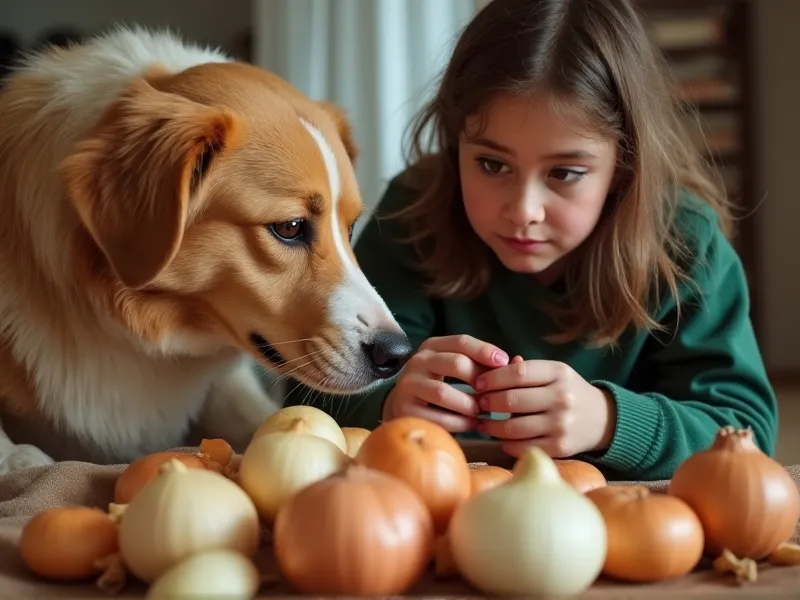
Table of Contents
- Can Dogs Eat Onions? The Short Answer
- What Are Onions, Anyway? A Quick Overview
- The Risks of Onions for Dogs: Why They’re Toxic
- Potential “Benefits” of Onions—But Are They Worth It?
- How Much Onion Is Too Much for Dogs?
- What to Do If Your Dog Eats Onions
- Healthier Alternatives to Onions for Dogs
- FAQ: Your Onion Questions Answered
- Conclusion: Keep Onions Off the Menu
- References
Can Dogs Eat Onions? The Short Answer
No. Onions are toxic to dogs, regardless of whether they’re raw, cooked, powdered, or dehydrated. Even small amounts can cause serious health problems, including damage to red blood cells, anemia, and in severe cases, organ failure. While onions contain some nutrients that sound beneficial (like fiber and potassium), the risks far outweigh any potential upsides.
Let’s break down why onions are so dangerous—and what you need to do to protect your pup.
What Are Onions, Anyway? A Quick Overview
Onions (Allium cepa) are a member of the Allium family, which also includes garlic, leeks, chives, and shallots. They’re beloved in human cuisine for their pungent flavor and versatility, but their chemical makeup is where the trouble lies for dogs.
Humans can safely enjoy onions because our bodies process their compounds without issue. Dogs, however, lack a key enzyme needed to break down certain substances in onions—leading to toxic buildup.
The Risks of Onions for Dogs: Why They’re Toxic
Thiosulfate: The Hidden Danger in Onions
The primary culprit in onions is a group of sulfur-containing compounds called thiosulfates. When dogs eat onions, these compounds are absorbed into their bloodstream. Unlike humans, dogs can’t metabolize thiosulfates effectively. Instead, the compounds damage a protein in red blood cells called hemoglobin, which carries oxygen throughout the body.
Over time, this damage causes red blood cells to rupture (a condition called hemolysis). Without enough healthy red blood cells, your dog can’t get the oxygen they need—a life-threatening problem.
Hemolytic Anemia: When Red Blood Cells Break Down
The end result of thiosulfate toxicity is hemolytic anemia. Symptoms of anemia in dogs include:
- Lethargy or weakness (your dog may seem tired or uninterested in play)
- Pale gums (press gently on your dog’s gums—they should pink up quickly; if they stay white or pale, it’s a red flag)
- Rapid breathing or panting (trying to compensate for low oxygen)
- Dark, reddish urine (from broken-down red blood cells)
- Vomiting or diarrhea (especially if the onion caused stomach irritation)
In severe cases, anemia can lead to organ damage (like kidney failure) or even death if left untreated.
Other Risks: Stomach Upset and Choking Hazards
Even before anemia sets in, onions can cause immediate gastrointestinal distress. Raw onions, in particular, are harsh on a dog’s stomach and may lead to:
- Nausea
- Vomiting
- Diarrhea
- Abdominal pain
Additionally, large chunks of raw onion pose a choking hazard, especially for small dogs. Cooked onions are softer, but they’re still toxic—so the texture doesn’t make them safer.
Potential “Benefits” of Onions—But Are They Worth It?
You might be thinking: “Onions have fiber, potassium, and vitamins—can’t a tiny bit be good for my dog?” Let’s address the nutrients in onions and why they’re not worth the risk:
- Fiber: Onions do contain fiber, which aids digestion. But dogs can get fiber from safe sources like carrots, pumpkin, or green beans—no toxicity required.
- Potassium: Potassium supports heart and muscle health. Sweet potatoes, bananas, and spinach are all dog-safe and rich in potassium.
- Vitamins (C, B6): Onions have small amounts of vitamin C and B6. Again, these are abundant in safe foods: vitamin C from bell peppers, B6 from chicken or salmon.
The bottom line: There’s no nutrient in onions that your dog can’t get from a safer, non-toxic food. The risk of anemia or other health issues far outweighs any minor nutritional benefit.
How Much Onion Is Too Much for Dogs?
Toxicity depends on your dog’s size and how much onion they ate. According to the Pet Poison Helpline, toxicity can occur at doses as low as 5 grams of onion per kilogram of body weight (about 2.2 grams per pound).
To put that in perspective:
- A 10-pound dog (4.5 kg) could be affected by just 22 grams of onion (about 1/4 of a small onion).
- A 50-pound dog (22.7 kg) might show symptoms after eating 113 grams (about 1 medium onion).
Even small, repeated amounts (like a few sprinkles of onion powder on their food over time) can accumulate and cause toxicity. There is no “safe” amount of onion for dogs.
What to Do If Your Dog Eats Onions
If you suspect your dog ate onions—even a small amount—don’t panic, but act quickly:
- Identify the amount and type: Note how much onion they ate (raw, cooked, powdered) and when. This helps your vet assess risk.
- Contact your vet or an emergency animal clinic immediately: Onion toxicity can be treated, but early intervention is key. Your vet may induce vomiting (if the onion was eaten within 1-2 hours) or administer activated charcoal to absorb toxins.
- Monitor for symptoms: Keep an eye out for lethargy, pale gums, or dark urine over the next 24-72 hours. Anemia symptoms can take 2-5 days to appear, so don’t assume your dog is “fine” if they seem okay initially.
Healthier Alternatives to Onions for Dogs
Instead of onions, treat your dog to these safe, nutrient-packed veggies and fruits:
- Carrots: Crunchy, low-calorie, and full of fiber and vitamin A. Great for dental health!
- Green Beans: Rich in fiber, vitamins C and K, and low in calories—perfect for weight management.
- Sweet Potatoes: Cooked sweet potato (no added sugar) is a great source of fiber, potassium, and vitamin A.
- Blueberries: Antioxidant-rich and sweet—dogs love them as a snack.
- Spinach: Small amounts (cooked) provide iron, vitamins A and C, and folate.
Always introduce new foods gradually to avoid stomach upset, and check with your vet if you’re unsure about a specific food.
FAQ: Your Onion Questions Answered
Q: Are cooked onions safer than raw onions for dogs?
A: No. Cooking breaks down some of the thiosulfates, but not all—cooked onions are still toxic. The method (boiled, fried, roasted) doesn’t matter; the toxicity remains.
Q: What about onion powder or dehydrated onions?
A: These are more concentrated than fresh onions, so even a small sprinkle (like in seasoned dog treats or table scraps) can be dangerous. Always check ingredient labels for “onion powder” or “onion extract.”
Q: My dog ate a tiny piece of onion—should I worry?
A: It depends on their size and the amount. A Chihuahua who ate a teaspoon of onion is at higher risk than a Great Dane who ate the same amount. When in doubt, call your vet—better safe than sorry.
Q: Are other Allium plants (garlic, leeks, chives) toxic to dogs?
A: Yes! Garlic is even more toxic than onions (toxic dose of 1 gram per kilogram of body weight). Leeks, chives, and shallots also contain thiosulfates and should be avoided.
Conclusion: Keep Onions Off the Menu
Dogs and onions don’t mix. While those puppy eyes might be hard to resist, onions pose a serious risk of anemia, organ damage, and other health issues. The good news? There are plenty of safe, delicious alternatives to share with your pup—carrots, green beans, or a slice of apple (no seeds!) are all better choices.
When in doubt about a food, always consult your vet. They know your dog’s health history and can guide you on the best diet for their needs.
Here’s to keeping your furry friend happy, healthy, and onion-free!
References
- American Society for the Prevention of Cruelty to Animals (ASPCA). (n.d.). Toxic and Non-Toxic Plants: Onion.
- Pet Poison Helpline. (n.d.). Onion Poisoning in Dogs and Cats.
- American Veterinary Medical Association (AVMA). (2021). Foods Your Pet Should Never Eat.
- VCA Animal Hospitals. (n.d.). Onion Toxicity in Dogs.