· 8 min read
Can Dogs Eat Uncured Ham? A Pet Parent’s Guide to Safe Snacking
It’s the holidays, and you’re gathered around the dinner table, carving into a glistening spiral ham. Suddenly, you feel a wet nose nudge your hand, followed by the unmistakable puppy eyes. Your dog, ever the opportunist, is begging for a bite. You pause—this isn’t just any ham; it’s “uncured,” marketed as a “healthier” option for humans. So… can dogs eat uncured ham? Is it safer than the regular cured stuff?
If you’ve found yourself asking this, you’re not alone. Many pet parents want to share special treats with their furry family members, but it’s crucial to know what’s actually safe. In this guide, we’ll break down the facts about uncured ham and dogs, from potential benefits (spoiler: there are few) to the very real risks, plus healthier alternatives to keep those tails wagging without worry.
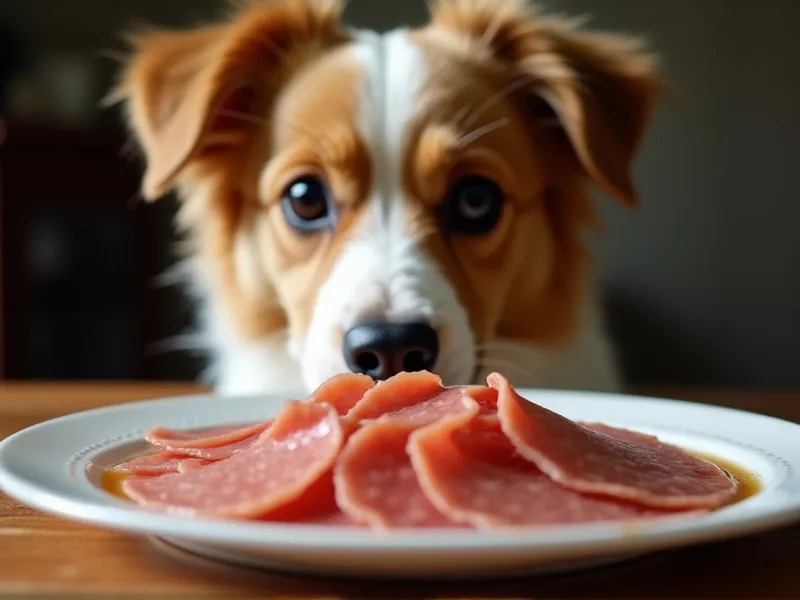
Table of Contents
- What Is Uncured Ham, Anyway?
- Can Dogs Eat Uncured Ham? The Short Answer
- The “Benefits” of Uncured Ham for Dogs: Are They Real?
- The Risks: Why Uncured Ham Isn’t Ideal for Dogs
- Sodium Overload: A Hidden Danger
- Fat and Pancreatitis: A Painful Risk
- Additives: “Natural” Doesn’t Always Mean Safe
- Choking and Blockages: Size Matters
- How Much Uncured Ham Is Safe for Dogs? (If Any)
- Healthier Alternatives to Uncured Ham
- FAQ: Your Top Questions Answered
- Conclusion: Sharing Safely with Your Pup
1. What Is Uncured Ham, Anyway?
Before we dive into whether dogs can eat it, let’s clarify what “uncured” ham actually is. Traditional cured ham uses synthetic nitrates or nitrites to preserve color and prevent bacterial growth (like botulism). Uncured ham, on the other hand, skips these synthetic additives. Instead, it’s preserved using “natural” sources of nitrites, such as celery juice, celery powder, or beet juice.
Marketers often pitch uncured ham as a “cleaner” choice for humans, but here’s the catch: those natural nitrite sources still convert to nitrites in the body, just like synthetic ones. Plus, uncured ham is still loaded with salt (to enhance flavor and preservation) and may contain added sugars, spices, or seasonings like garlic or onion—ingredients that can be toxic to dogs.
2. Can Dogs Eat Uncured Ham? The Short Answer
No, uncured ham is not recommended for dogs. While it may sound “healthier” than cured ham, it still poses significant risks to your dog’s health. The high sodium content, fat, and potential additives make it a poor choice for regular or even occasional treats. In small, rare amounts, a tiny bite might not harm your dog, but the risks far outweigh any potential benefits.
3. The “Benefits” of Uncured Ham for Dogs: Are They Real?
Let’s be fair: ham is meat, and meat contains nutrients. So, could there be any upsides to sharing a nibble? Here’s what you need to know:
Trace Nutrients, But Not Worth the Risk
Uncured ham does contain some nutrients dogs need, like:
- Protein: Essential for muscle growth and repair.
- Iron and Zinc: Important for immune function and red blood cell health.
- Potassium: Helps regulate heart and muscle function.
But here’s the problem: these nutrients are easily obtainable from safer, more dog-friendly foods (we’ll share alternatives later). For example, a plain, cooked chicken breast gives your dog protein without the sodium or additives. So while uncured ham has trace nutrients, they’re not unique or worth the risks.
4. The Risks of Uncured Ham for Dogs: Why It’s a Bad Idea
Now, let’s get to the critical part: the dangers. Uncured ham may skip synthetic nitrites, but it’s still packed with other ingredients that can harm your dog. Here’s what to watch out for:
Risk 1: Sodium Overload (Sodium Ion Poisoning)
Dogs have very low sodium requirements—about 100 mg per 100 calories of food, according to the National Research Council. Uncured ham, however, is extremely salty. A 3-ounce serving of uncured ham can contain 1,000 mg or more of sodium—that’s more than a small dog’s entire daily sodium needs in one bite!
Excess sodium can lead to sodium ion poisoning, which causes symptoms like:
- Vomiting and diarrhea
- Lethargy or restlessness
- Increased thirst and urination
- Tremors or seizures
- In severe cases, kidney damage or death
Small dogs (like Chihuahuas or Yorkies) are especially vulnerable, as their bodies can’t process large amounts of sodium as well as larger breeds.
Risk 2: High Fat Content (Pancreatitis Risk)
Ham is a fatty meat, and too much fat can trigger pancreatitis in dogs—a painful, potentially life-threatening condition where the pancreas becomes inflamed. Symptoms include vomiting, abdominal pain, loss of appetite, and lethargy. Even a small piece of fatty ham can be dangerous for dogs prone to pancreatitis (like overweight dogs or certain breeds, such as Miniature Schnauzers).
Risk 3: Hidden Additives (Garlic, Onion, and More)
Many uncured hams are seasoned with spices like garlic, onion, or even xylitol (a sugar substitute toxic to dogs). Garlic and onion, in any form (raw, cooked, powdered), contain compounds that damage a dog’s red blood cells, leading to anemia. Symptoms may take days to appear and include weakness, pale gums, and rapid breathing.
Even “plain” uncured ham often has added sugar or smoke flavorings, which offer no nutritional value and can upset your dog’s stomach.
Risk 4: Choking or Intestinal Blockages
Ham bones (even small ones) are a major choking hazard. They can splinter and get stuck in your dog’s throat, esophagus, or intestines, requiring emergency surgery. Additionally, large chunks of ham can cause blockages, especially in small dogs.
5. How Much Uncured Ham Is Safe for Dogs? (Spoiler: Almost None)
If you’re still tempted to share a tiny bite (we get it—those puppy eyes are powerful!), here’s the bottom line: the safest amount is none at all. But if you must give your dog a taste, stick to an extremely small portion:
- For small dogs (under 20 lbs): No more than a piece the size of a pinky nail.
- For medium dogs (20–50 lbs): No larger than a thumbnail.
- For large dogs (over 50 lbs): A piece the size of a dime.
Even then, monitor your dog for 24 hours for signs of stomach upset (vomiting, diarrhea) or sodium toxicity. If you notice anything unusual, contact your vet immediately.
6. Healthier Alternatives to Uncured Ham
Instead of risking ham, treat your dog to these safe, nutritious alternatives:
Lean Proteins
- Cooked chicken or turkey: Plain, unseasoned, and boneless. A great source of protein without the fat or salt.
- Lean beef or pork: Cooked, trimmed of fat, and free of spices.
- Eggs: Scrambled or boiled (no salt). Eggs are packed with protein and vitamins.
Veggies and Fruits (Low-Calorie Options)
- Carrots or green beans: Crunchy, low-calorie, and full of fiber.
- Sweet potatoes: Cooked and mashed (no butter or sugar). A great source of vitamins A and C.
- Blueberries or apples: Fresh, seedless, and full of antioxidants (avoid apple seeds—they contain cyanide).
Commercial Treats
Look for dog treats made with simple, whole ingredients (e.g., “chicken and rice” or “beef liver”). Avoid treats with added salt, sugar, or artificial preservatives.
7. FAQ: Your Uncured Ham Questions Answered
Q: Is uncured ham safer than cured ham for dogs?
A: Slightly, but not by much. Cured ham has synthetic nitrites (linked to cancer in humans, though the risk to dogs is unclear), while uncured ham uses natural nitrite sources (still converted to nitrites in the body). Both are high in sodium and fat, so neither is safe.
Q: Can puppies eat uncured ham?
A: No. Puppies have sensitive digestive systems and smaller bodies, making them more vulnerable to sodium toxicity and pancreatitis. Stick to puppy-safe treats like plain yogurt or cooked chicken.
Q: My dog stole a big piece of uncured ham! What should I do?
A: Don’t panic, but act fast. Contact your vet immediately. Watch for symptoms of sodium poisoning (vomiting, diarrhea, lethargy) or pancreatitis (abdominal pain, vomiting). Your vet may recommend inducing vomiting or monitoring for 24–48 hours.
Q: Are there any types of ham that are safe for dogs?
A: No. All ham (cured, uncured, smoked, spiral-cut) is high in salt and fat. Even “low-sodium” ham is still too salty for dogs.
8. Conclusion: Prioritize Your Dog’s Health Over Those Puppy Eyes
Sharing food with our dogs is one of life’s little joys, but when it comes to uncured ham, it’s best to resist those begging eyes. While a tiny bite might not hurt, the risks—sodium poisoning, pancreatitis, choking—are too great.
Instead, opt for safer treats that let you bond without worry: a piece of cooked chicken, a crunchy carrot, or a game of fetch. And if you’re ever unsure about a food, always consult your vet—they know your dog’s health best.
After all, the happiest dogs are healthy dogs. Here’s to many more snack sessions—just with the right snacks!