· 7 min read
Can Dogs Eat Uncrustables? A Pet Parent’s Guide to Safe Snacking
You’re halfway through your lunch, savoring the soft, crust-free goodness of a peanut butter and jelly Uncrustable. Suddenly, your dog trots over, tail wagging, nose twitching, and gives you that look—the one that says, “Share? Please?” It’s a sweet moment, but it also sparks a critical question: Is that Uncrustable safe for your pup?
As pet parents, we want to treat our dogs, but their tummies and health are top priority. In this guide, we’ll break down whether Uncrustables belong in your dog’s snack rotation, the potential risks and (minimal) benefits, and healthier alternatives to keep tails wagging.
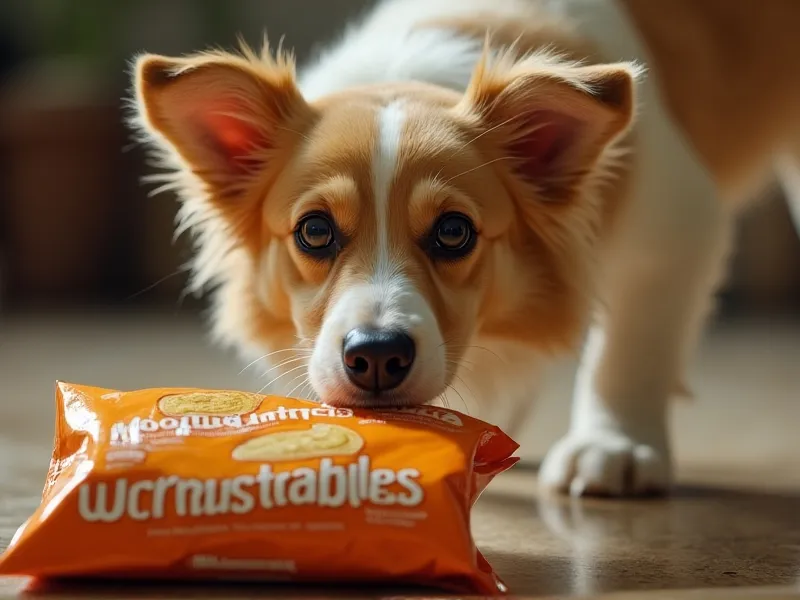
Table of Contents
- What Are Uncrustables?
- Can Dogs Eat Uncrustables? The Short Answer
- Potential Benefits of Uncrustables for Dogs (Spoiler: They’re Minimal)
- Risks of Feeding Uncrustables to Dogs (The Real Concerns)
- How Much (If Any) Uncrustables Can Dogs Safely Eat?
- Healthier Alternatives to Uncrustables for Dogs
- FAQ: Common Questions About Dogs and Uncrustables
- Conclusion: Moderation and Veterinary Guidance
- References
What Are Uncrustables?
First, let’s get clear on what we’re talking about. Uncrustables are pre-made, frozen sandwich pockets created by Smucker’s. They’re designed for convenience: no crust, no mess, just a sealed pocket of filling (usually peanut butter and jelly, though flavors like honey, Nutella, or even “uncrustable-style” savory options exist).
The classic PB&J Uncrustable starts with white or whole-grain bread, filled with peanut butter and grape or strawberry jelly, then crusts removed and edges crimped. They’re a pantry staple for busy humans—but are they a good fit for our four-legged friends?
Can Dogs Eat Uncrustables? The Short Answer
Technically, a tiny bite of an Uncrustable is unlikely to poison your dog. But here’s the catch: Uncrustables are not recommended as a regular treat, and even small amounts come with risks.
Why? Because they’re packed with sugar, salt, and processed ingredients that don’t align with a dog’s nutritional needs. Think of them like junk food for dogs—tasty in the moment, but not worth the potential stomachaches, weight gain, or worse.
Potential Benefits of Uncrustables for Dogs (Spoiler: They’re Minimal)
At first glance, Uncrustables might seem harmless—after all, they contain bread, peanut butter, and fruit jelly. Let’s break down the possible (but minor) benefits:
1. Trace Nutrients from Ingredients
- Bread: If made with whole grains, bread can offer a smidge of fiber (though most Uncrustables use white bread, which is low in fiber).
- Peanut Butter: A natural source of protein, healthy fats (like omega-6), and potassium—nutrients that support muscle health and energy.
- Jelly: Grape or strawberry jelly contains fruit, which has vitamins (like vitamin C) and antioxidants.
2. Occasional “Comfort” Snack
Some dogs (like humans) enjoy the creamy, sweet taste of peanut butter and jelly. A tiny bite might feel like a special treat, boosting their mood (and yours, since sharing feels good!).
But here’s the reality: These benefits are minimal compared to the risks. The ingredients in Uncrustables are often processed, and the downsides (we’ll dive into those next) far outweigh any small nutritional perks.
Risks of Feeding Uncrustables to Dogs (The Real Concerns)
Now, let’s get serious. Uncrustables pose several risks to dogs, even in small amounts. Here’s what to watch for:
1. Sugar Overload
Jelly is the biggest culprit here. A single Uncrustable can contain 10–12 grams of sugar (that’s about 2–3 teaspoons!), mostly from high-fructose corn syrup or added sugars in jelly. Dogs’ bodies aren’t built to process large amounts of sugar:
- Short-term: Upset stomach, diarrhea, or vomiting (especially in small dogs or those with sensitive tummies).
- Long-term: Obesity, dental decay, or even diabetes (chronic sugar intake raises blood sugar levels).
2. Choking Hazard
The soft, squishy texture of Uncrustables might seem safe, but bread can become a choking risk—especially for small dogs or those who gulp food. If your dog swallows a chunk without chewing, the bread can stick in their throat or esophagus.
3. Hidden Salt
Bread (even “plain” bread) contains salt. A single slice has about 100–200 mg of sodium, and Uncrustables use two slices. Dogs need only 100–200 mg of sodium per day (depending on size), so even a small piece of bread can push them over their limit. Too much salt leads to thirst, bloating, or even sodium ion poisoning (rare, but dangerous).
4. Xylitol: The Silent Killer in Peanut Butter
Here’s a critical red flag: Some peanut butters (including some used in processed snacks) contain xylitol, an artificial sweetener toxic to dogs. Xylitol causes a rapid drop in blood sugar, leading to seizures, liver failure, or death—even in small doses.
While Smucker’s states their Uncrustable peanut butter does not contain xylitol, it’s always risky to assume. If you’re sharing a homemade Uncrustable or a generic brand, double-check the peanut butter label for xylitol. When in doubt, avoid it!
5. Artificial Additives
Jelly in Uncrustables often includes artificial flavors, colors, or preservatives (like potassium sorbate). These additives can irritate a dog’s digestive system, leading to gas, diarrhea, or allergic reactions.
How Much (If Any) Uncrustables Can Dogs Safely Eat?
If you must share a bite (we get it—those puppy eyes are hard to resist!), follow these strict guidelines:
- Size Matters: A Chihuahua gets a pinky-nail-sized nibble; a Great Dane might handle a pea-sized piece. Never more than 1–2 tiny bites, even for large dogs.
- Frequency: Once every few months (if at all). Uncrustables are not a weekly or monthly treat.
- Monitor Closely: After sharing, watch for vomiting, diarrhea, lethargy, or excessive thirst. If any of these happen, contact your vet.
Pro Tip: If your dog begs while you’re eating an Uncrustable, offer a tiny piece of plain, unsalted peanut butter (no xylitol!) instead. It satisfies the peanut butter craving without the sugar or bread risks.
Healthier Alternatives to Uncrustables for Dogs
Skip the processed Uncrustable and opt for these dog-safe snacks instead—they’re just as tasty, minus the sugar and salt:
1. Homemade Peanut Butter & Banana Bites
Mash a ripe banana, mix with a spoonful of xylitol-free peanut butter, and freeze in small blobs. Dogs love the natural sweetness and creamy texture!
2. Apple Slices (No Seeds!)
Crunchy, sweet, and full of fiber. Remove the core and seeds (seeds contain cyanide, toxic in large amounts), then slice and serve.
3. Cooked Sweet Potato
Boil or bake a sweet potato, mash it, and let cool. It’s packed with fiber, potassium, and vitamins A and C—way better than jelly!
4. Rice Cake with Peanut Butter
A plain rice cake (no salt or flavoring) spread with a thin layer of xylitol-free peanut butter. It’s low-calorie and satisfying.
5. Frozen Blueberries
Tiny, nutrient-dense, and perfect for hot days. Blueberries are high in antioxidants and low in sugar.
FAQ: Common Questions About Dogs and Uncrustables
Q: My dog ate a whole Uncrustable! What should I do?
A: Stay calm. If it’s a small dog, contact your vet immediately—they may induce vomiting or monitor for blockages. For larger dogs, watch for diarrhea, vomiting, or lethargy over the next 24 hours. If symptoms appear, call your vet.
Q: Is the peanut butter in Uncrustables safe for dogs?
A: Smucker’s Uncrustables use peanut butter without xylitol, but other brands might not. Always check labels! Even “safe” peanut butter is high in fat, so too much can cause pancreatitis in dogs.
Q: Can puppies eat Uncrustables?
A: Puppies have sensitive tummies and are more prone to obesity. Avoid Uncrustables entirely—stick to puppy-safe treats like plain yogurt or cooked chicken.
Q: Are “whole grain” Uncrustables better for dogs?
A: Slightly better, but still not good. Whole grain bread has more fiber, but it’s still high in salt and carbs. The sugar in jelly remains a problem.
Conclusion: Moderation and Veterinary Guidance
At the end of the day, Uncrustables are a human snack—not a dog treat. While a tiny bite won’t hurt most dogs, the sugar, salt, and processed ingredients make them a poor choice for regular feeding.
Your dog’s health thrives on a balanced diet of high-quality dog food, plus occasional, dog-safe treats. When in doubt about a food (Uncrustables or otherwise), always consult your vet. They know your dog’s unique needs (allergies, weight, health conditions) and can offer personalized advice.
So next time you enjoy an Uncrustable, give your pup a belly rub instead of a bite. They’ll love you just as much—and their stomach will thank you.
References
- American Society for the Prevention of Cruelty to Animals (ASPCA). “Xylitol Toxicity in Dogs.” aspca.org
- Pet Poison Helpline. “Sodium Ion Toxicity in Dogs.” petpoisonhelpline.com
- Cummings School of Veterinary Medicine at Tufts University. “Nutrition for Dogs: What’s Best?” tufts.edu
- American Kennel Club (AKC). “Can Dogs Eat Peanut Butter?” akc.org