· 10 min read
Can Dogs Eat Uncooked Pasta? Benefits, Risks & Safe Guidelines for Pet Parents
It’s a familiar scene for many pet parents: You’re rolling out fresh pasta dough or measuring dry spaghetti for dinner, and suddenly, your furry sidekick appears—tail wagging, nose twitching, eyes locked on the uncooked noodles. Before you can blink, they’ve snatched a strand (or three) and swallowed it down. Panic sets in: Is uncooked pasta toxic to dogs? Should I rush them to the vet?
If you’ve ever found yourself in this situation, you’re not alone. As dog owners, we’re hyper-vigilant about what our pups put in their mouths, and human foods often top the list of concerns. Pasta, a pantry staple, is no exception. But the question remains: Can dogs eat uncooked pasta safely?
In this guide, we’ll break down the facts—from whether uncooked pasta is toxic to its potential benefits (yes, there are a few!) and risks (more of these). We’ll also share guidelines for what to do if your dog sneaks a bite, healthier alternatives, and expert advice to keep your pup happy and healthy. Let’s dig in!
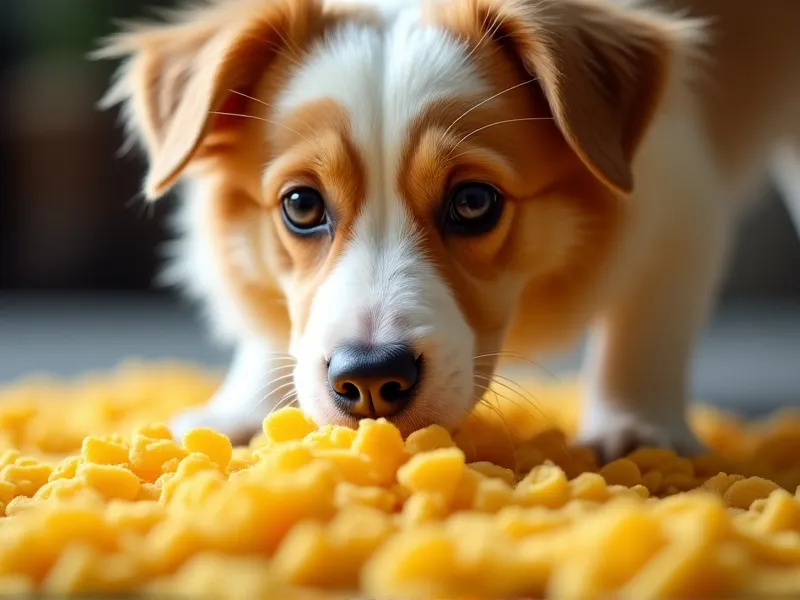
Table of Contents
- So, Can Dogs Eat Uncooked Pasta? The Short Answer
- Potential Benefits of Uncooked Pasta for Dogs (If Any)
- The Risks of Feeding Uncooked Pasta to Dogs
- Choking Hazard
- Digestive Upset and Blockages
- Added Sugars and Hidden Ingredients
- Gluten Sensitivity
- How Much Uncooked Pasta Is Safe for Dogs?
- Healthier Alternatives to Uncooked Pasta
- Frequently Asked Questions (FAQ)
- Conclusion: Prioritizing Your Dog’s Safety and Nutrition
So, Can Dogs Eat Uncooked Pasta? The Short Answer
Let’s cut to the chase: Uncooked pasta is not toxic to dogs, but that doesn’t mean it’s a good idea to feed it to them intentionally.
Unlike chocolate, grapes, or onions—foods known to be poisonous to dogs—plain uncooked pasta (made from flour, water, and sometimes eggs) won’t send your pup into immediate danger if they eat a small amount. However, it comes with several risks that make it an unideal snack. Think of it like human junk food: not deadly, but not doing your body (or your dog’s) any favors.
The key here is context: A single stray noodle your dog swiped off the floor is probably harmless. But feeding them a bowl of uncooked pasta as a treat? That’s where problems can arise. Let’s unpack why.
Potential Benefits of Uncooked Pasta for Dogs (If Any)
Before we dive into the risks, let’s address the elephant in the room: Are there any benefits to feeding uncooked pasta to dogs? The short answer is… not many. But let’s break down what little nutritional value it might offer:
1. Carbohydrates for Energy
Pasta is primarily made from wheat flour, which is rich in carbohydrates. Carbs are a source of quick energy, and dogs (like humans) can digest them—when cooked. Uncooked pasta, however, is made up of raw starch, which is much harder for dogs to break down. So while cooked pasta can provide a boost of energy, uncooked pasta’s carbs are largely “locked” in a form that your dog’s body struggles to use efficiently.
2. Trace Nutrients
Whole-grain pasta (uncooked) may contain small amounts of fiber, B vitamins, and minerals like iron or potassium. But again, these nutrients are far more bioavailable (easier for the body to absorb) when the pasta is cooked. Uncooked, the nutrients remain bound to the raw starch, making them less useful for your pup.
3. Low in Fat and Sodium (If Plain)
Plain uncooked pasta has no added salt, sugar, or fat—unlike many processed dog treats. But this is a weak “benefit” because there are far healthier low-fat, low-sodium options (like cooked sweet potato or pumpkin) that offer more nutrition with fewer risks.
The bottom line: Uncooked pasta’s “benefits” are minimal and easily overshadowed by its risks. It’s not a nutrient-dense food for dogs, so there’s no need to include it in their diet.
The Risks of Feeding Uncooked Pasta to Dogs
Now, let’s get to the important part: why uncooked pasta is more trouble than it’s worth. Here are the key risks to watch for:
1. Choking Hazard
Uncooked pasta is hard, dry, and often long or tubular (think spaghetti, penne, or rigatoni). For small dogs or dogs who gulp their food, these noodles can easily get stuck in their throat, leading to choking. Even larger dogs can struggle with long strands, which may wrap around their teeth or block their airway.
Signs of choking in dogs include:
- Pawing at the mouth
- Gagging or retching
- Difficulty breathing
- Blue gums (a sign of oxygen deprivation)
If you suspect your dog is choking, act fast: Perform the Heimlich maneuver for dogs (consult your vet to learn the proper technique) and call emergency veterinary care immediately.
2. Digestive Upset and Intestinal Blockages
Raw starch (the main component of uncooked pasta) is tough for dogs to digest. When your dog eats uncooked pasta, their stomach has to work overtime to break down the hard, dry noodles. This can lead to:
- Bloating
- Gas
- Stomach pain
- Diarrhea or constipation
Even worse, uncooked pasta can expand in the stomach. When pasta is cooked, it absorbs water and swells—but uncooked pasta can do the same inside your dog’s gut, absorbing gastric juices and expanding to several times its original size. This expansion can cause a dangerous intestinal blockage, especially if your dog eats a large amount.
Intestinal blockages are life-threatening and require emergency surgery. Symptoms include vomiting (especially after eating), lethargy, loss of appetite, and abdominal pain. If you notice these signs after your dog has eaten uncooked pasta, contact your vet right away.
3. Added Sugars and Hidden Ingredients
Not all pasta is created equal. Flavored or “enriched” pastas (like spinach, tomato, or even “kid-friendly” pastas with added sugar) can contain ingredients that are harmful to dogs. For example:
- Garlic or onion powder: Found in some savory pasta blends, these are toxic to dogs and can damage their red blood cells.
- Added sugar: Sweetened pastas (like some dessert pastas or “fun” shapes for kids) can lead to obesity, dental issues, or even diabetes in dogs.
- Salt: While plain pasta has no added salt, some pre-packaged pastas (like instant noodles) are high in sodium, which can cause dehydration or kidney problems in dogs.
Always check the label before assuming pasta is “safe.” When in doubt, stick to plain, unflavored pasta—and even then, cook it first.
4. Gluten Sensitivity
Wheat-based pasta contains gluten, a protein that some dogs are sensitive or allergic to. Symptoms of gluten sensitivity in dogs include itchy skin, ear infections, diarrhea, or vomiting. For dogs with celiac disease (rare but possible), gluten can cause severe intestinal inflammation.
If your dog has a known gluten sensitivity, uncooked wheat pasta is a definite no-go. Even if they don’t, whole-grain uncooked pasta may be harder on their digestive system than refined varieties (though neither is ideal).
How Much Uncooked Pasta Is Safe for Dogs?
The golden rule: Accidental ingestion of a small amount (e.g., a few stray noodles) is unlikely to harm your dog. If your pup snatches a bite while you’re cooking, monitor them for 24 hours for signs of stomach upset or choking, but there’s no need to panic.
However, intentional feeding of uncooked pasta is not recommended. There’s no “safe” amount to regularly include in their diet because the risks (choking, blockages, digestive issues) outweigh any minor benefits.
If you want to share pasta with your dog, cook it first. Cooked plain pasta (without sauce, salt, or spices) is a safer occasional treat. A small handful (e.g., 1–2 tablespoons for a small dog, ¼ cup for a large dog) of cooked pasta can be a fun, low-risk snack—just avoid making it a regular part of their meals (dogs need a balanced diet of protein, fats, and veggies, not just carbs).
Healthier Alternatives to Uncooked Pasta
If you’re looking for a carb-rich snack or meal topper for your dog, skip the uncooked pasta and try these safer, more nutritious alternatives:
1. Cooked Plain Pasta
As mentioned, cooked pasta is far easier to digest than uncooked. Opt for whole-grain varieties for extra fiber, and serve it plain (no butter, garlic, or sauce). It’s a great occasional treat for dogs recovering from an upset stomach (the bland carbs can help settle their gut).
2. Cooked Sweet Potato
Sweet potatoes are a nutritional powerhouse for dogs: rich in fiber, vitamins A and C, and potassium. They’re easy to digest, low in fat, and dogs love their natural sweetness. Bake or boil a sweet potato, mash it, and serve a spoonful as a treat or meal topper.
3. Pumpkin (Canned, Unsweetened)
Plain canned pumpkin (not pie filling!) is another excellent option. It’s high in fiber to support digestion and packed with beta-carotene. A tablespoon or two mixed into your dog’s food can help with constipation or diarrhea.
4. Cooked Brown Rice
Brown rice is a whole grain that’s gentle on the stomach and full of B vitamins, manganese, and fiber. It’s a common ingredient in commercial dog foods and makes a great addition to homemade meals (paired with lean protein like chicken or turkey).
5. Oatmeal (Cooked)
Plain cooked oatmeal is a gluten-free (if certified gluten-free) source of fiber and iron. It’s a warm, comforting treat for dogs, especially in winter. Avoid adding sugar, milk, or flavorings—just water or low-sodium broth.
Frequently Asked Questions (FAQ)
Q: My dog ate a whole bowl of uncooked pasta. What should I do?
A: If your dog ate a large amount (e.g., a cup or more) of uncooked pasta, contact your vet immediately. The risk of intestinal blockage is high, especially if they ate it quickly. Your vet may recommend inducing vomiting (if done within 2 hours of ingestion) or monitoring for signs of blockage (vomiting, lethargy, loss of appetite).
Q: Is whole-grain uncooked pasta better for dogs than white pasta?
A: No. While whole-grain pasta has more fiber and nutrients, it’s still uncooked, meaning it poses the same choking and digestive risks as white pasta. The extra fiber may even worsen stomach upset in some dogs.
Q: Can puppies eat uncooked pasta?
A: Puppies have smaller throats and more sensitive digestive systems than adult dogs, so uncooked pasta is even riskier for them. A small piece could choke them, and raw starch may cause severe diarrhea or bloating. Stick to puppy-safe treats and their regular food.
Q: What if my dog is gluten-free? Can they eat uncooked gluten-free pasta?
A: Gluten-free pasta (made from rice, quinoa, or chickpeas) is still uncooked, so it carries the same choking and digestive risks as wheat pasta. Cooked gluten-free pasta is a safer option for gluten-sensitive dogs, but again, it’s not necessary for their diet.
Q: My dog loves stealing uncooked pasta off the counter. How can I stop this?
A: Prevention is key! Keep uncooked pasta (and other human foods) out of your dog’s reach—store it in a closed cabinet, and clean up spills immediately. Offer your dog a puzzle toy or chew bone to distract them while you cook, and reward them for staying away from the counter (positive reinforcement works wonders!).
Conclusion: Prioritizing Your Dog’s Safety and Nutrition
At the end of the day, uncooked pasta isn’t toxic to dogs, but it’s far from a healthy or safe snack. The risks of choking, digestive upset, and intestinal blockages make it a treat best avoided. If your dog accidentally eats a small amount, monitor them closely, but don’t stress—most pups will be just fine.
When in doubt, always consult your vet before introducing new foods into your dog’s diet. They can help you choose safe, nutritious treats that align with your pup’s age, size, and health needs.
Remember: A happy dog is a healthy dog, and their diet plays a huge role in that. Stick to high-quality dog food, fresh fruits/veggies (like carrots or blueberries), and occasional cooked treats (like plain pasta or sweet potato) to keep your furry friend thriving.
Here’s to many more tail wags, messy kisses, and safe, delicious snacks—for both you and your pup!
References
- American Society for the Prevention of Cruelty to Animals (ASPCA). “People Foods to Avoid Feeding Your Pets.” aspca.org
- PetMD. “Can Dogs Eat Pasta?” petmd.com
- VCA Animal Hospitals. “Gastrointestinal Obstruction in Dogs.” vcahospitals.com
- Cummings School of Veterinary Medicine at Tufts University. “Nutrition for Dogs: What’s in a Balanced Diet?” tuftscvm.org