· 9 min read
Can Dogs Eat Uncooked Meat? What Pet Parents Need to Know
Picture this: You’re prepping dinner, slicing into a fresh piece of salmon or ground beef, when suddenly your pup trots over, tail wagging, nose twitching. They give you those “please, just a bite!” eyes, and before you know it, a sliver of uncooked meat hits the floor. Panic sets in—is this safe? If you’ve ever found yourself asking, “Can dogs eat uncooked meat?” you’re not alone. It’s one of the most common questions vets and pet nutritionists field, and the answer isn’t as simple as a yes or no.
Raw meat has sparked heated debates in the pet community for years. Some swear by raw diets (like BARF—“Biologically Appropriate Raw Food”) as a “natural” way to feed dogs, harking back to their wolf ancestors. Others caution that the risks far outweigh the benefits. So, what’s the truth? Let’s dive in.
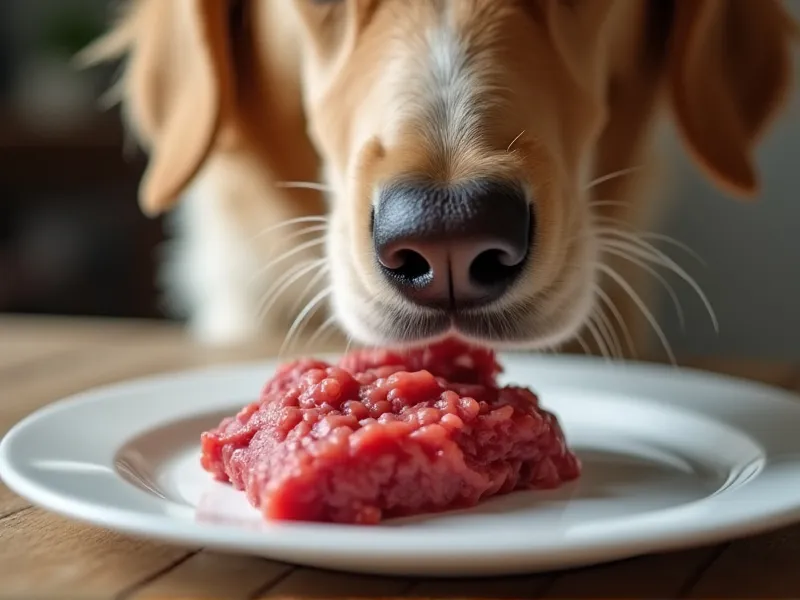
Table of Contents
- Can Dogs Eat Uncooked Meat? The Short Answer
- Potential Benefits of Uncooked Meat for Dogs
- Risks of Feeding Uncooked Meat to Dogs
- Guidelines for Feeding Uncooked Meat (If You Choose To)
- Healthier Alternatives to Uncooked Meat
- FAQ: Your Raw Meat Questions Answered
- Conclusion: Prioritize Safety and Moderation
Can Dogs Eat Uncooked Meat? The Short Answer
Yes, dogs can technically eat uncooked meat, but it’s not without significant risks. Unlike their wolf relatives, modern dogs have evolved alongside humans, and their digestive systems may not handle raw meat as robustly as we think. While some dogs tolerate small amounts of raw meat without issue, others (especially puppies, seniors, or dogs with health conditions) could face serious health problems.
The key here is balance: Raw meat isn’t inherently toxic, but the potential dangers—like bacterial infections or parasites—mean it shouldn’t be a staple in your dog’s diet without careful consideration and vet approval.
Potential Benefits of Uncooked Meat for Dogs
Proponents of raw diets argue that uncooked meat offers nutritional perks. Let’s break down the possible benefits:
1. Nutrient Density
Raw meat is packed with natural, unprocessed nutrients. For example:
- Protein: High-quality raw meat (like chicken, beef, or turkey) provides complete proteins with essential amino acids, which support muscle growth, immune function, and healthy skin/coat.
- Vitamins & Minerals: Raw meat contains B vitamins (B12, niacin), zinc, iron, and selenium—nutrients that help with energy production, red blood cell health, and antioxidant support.
- Enzymes: Cooking can destroy natural enzymes in meat that aid digestion. Raw meat retains these enzymes, which some believe helps dogs break down food more easily.
2. Avoiding Additives
Many commercial dog foods include preservatives, fillers, or artificial flavors. Raw meat (when sourced carefully) is free of these additives, making it a “cleaner” option for dogs with food sensitivities.
3. Hydration
Meat is naturally high in moisture, which can help keep dogs hydrated—especially those who don’t drink enough water.
But wait: These benefits are often overstated. Most high-quality commercial dog foods are formulated to provide all these nutrients (and more) in a balanced, safe way. Plus, cooking meat doesn’t destroy all nutrients—many vitamins and minerals remain intact, and the risks of raw meat often outweigh these perks.
Risks of Feeding Uncooked Meat to Dogs
The downsides of raw meat are significant and well-documented by veterinary experts. Here’s what you need to watch for:
1. Bacterial Infections
Raw meat (and organs) can harbor harmful bacteria like Salmonella, E. coli, and Listeria. According to the CDC, raw pet food is one of the top sources of Salmonella outbreaks in humans and animals.
Dogs can contract these bacteria and develop symptoms like:
- Diarrhea (sometimes bloody)
- Vomiting
- Fever
- Lethargy
- Loss of appetite
In severe cases, bacterial infections can lead to sepsis (blood poisoning) or organ failure—especially in dogs with weakened immune systems.
Human risk, too: You or your family could get sick from handling raw meat or cleaning up after your dog. Bacteria can spread via contaminated surfaces, bowls, or even your dog’s paws/coat.
2. Parasites
Raw meat (especially pork, wild game, or fish) may contain parasites like Toxoplasma gondii, Trichinella spiralis, or tapeworms. These parasites can infect your dog, causing:
- Abdominal pain
- Weight loss
- Anemia
- Muscle inflammation (from Trichinella)
Some parasites (like Toxoplasma) can also spread to humans, posing risks to pregnant people or those with compromised immune systems.
3. Choking or Blockages
Large chunks of raw meat (or bones hidden in meat) can pose choking hazards, especially for small dogs. Even small pieces can get stuck in the esophagus or intestines, leading to a life-threatening blockage that requires surgery.
4. Nutritional Imbalances
A diet based solely on raw meat is rarely balanced. Dogs need more than just protein—they require calcium (from bones or supplements), fiber (from fruits/veggies), and fatty acids (from fish oil) to thrive. Feeding only raw meat can lead to deficiencies in:
- Calcium (causing weak bones or dental issues)
- Vitamin D (needed for calcium absorption)
- Fiber (leading to constipation or poor gut health)
5. Digestive Upset
Not all dogs have the stomach for raw meat. Some may experience diarrhea, vomiting, or gas—even if the meat is bacteria-free. This is especially true for dogs used to cooked food, as their digestive systems may not produce enough stomach acid to break down raw proteins.
Guidelines for Feeding Uncooked Meat (If You Choose To)
If you’re set on feeding your dog raw meat (e.g., as an occasional treat or part of a vet-approved raw diet), follow these safety steps to minimize risks:
1. Consult Your Vet First
Before introducing raw meat, talk to your vet. They can assess your dog’s health (age, breed, immune status) and advise if raw meat is safe for your pet. Puppies, seniors, dogs with diabetes, or those on immunosuppressive drugs should avoid raw meat entirely.
2. Source High-Quality Meat
Stick to human-grade, fresh meat from reputable suppliers. Avoid:
- Meat labeled “for pets” (may be lower quality or contain additives)
- Expired or spoiled meat
- Wild game (high parasite risk)
- Processed raw meats with added salt, spices, or preservatives
3. Handle Meat Safely
Treat raw meat like you would for human food:
- Wash hands thoroughly after handling.
- Use separate cutting boards, bowls, and utensils for your dog’s meat.
- Clean surfaces with hot, soapy water or a pet-safe disinfectant.
- Store raw meat in the fridge or freezer to prevent bacterial growth.
4. Freeze Meat to Kill Parasites
Freezing raw meat at -4°F (-20°C) for at least 72 hours can kill many parasites (like Trichinella), according to the FDA. Thaw meat in the fridge (not on the counter) to avoid bacterial growth.
5. Limit Portions
Raw meat should be an occasional treat, not a meal replacement. Aim for no more than 10% of your dog’s daily calories from raw meat. For example, a 50-pound dog eating 1,000 calories/day should have no more than 100 calories (about 2-3 ounces of raw chicken) as a treat.
6. Avoid Bones and Fat
Never feed cooked bones (they splinter), but raw bones aren’t entirely safe either—they can crack teeth or cause blockages. Also, trim excess fat from raw meat, as high-fat diets can lead to pancreatitis in dogs.
7. Monitor for Reactions
After feeding raw meat, watch for signs of illness: diarrhea, vomiting, lethargy, or loss of appetite. If you notice any of these, contact your vet immediately.
Healthier Alternatives to Uncooked Meat
If you want to treat your dog to meaty snacks without the risks of raw, try these safer options:
1. Cooked Lean Meat
Cooking meat kills bacteria and parasites, making it much safer. Opt for plain, unseasoned meats like:
- Boiled chicken breast (skinless, boneless)
- Baked turkey
- Lean beef (ground or sliced, cooked thoroughly)
Avoid seasoning with garlic, onion, salt, or spices—these can be toxic to dogs.
2. Commercial Balanced Raw Diets
If you’re interested in raw feeding, choose a commercial raw diet formulated by veterinary nutritionists. Brands like Primal or Stella & Chewy’s use high-pressure processing (HPP) to kill bacteria while retaining nutrients. These diets are pre-portioned and balanced, so you don’t have to worry about deficiencies.
3. Freeze-Dried or Dehydrated Treats
Freeze-dried raw treats (like chicken hearts or liver) are lightweight, shelf-stable, and lower in bacterial risk than fresh raw meat. They’re a great training reward!
4. Canned or Wet Dog Food
High-quality wet food is packed with protein and moisture, and it’s cooked to kill pathogens. Look for brands with real meat as the first ingredient (e.g., Blue Buffalo, Wellness).
FAQ: Your Raw Meat Questions Answered
Q: Can puppies eat raw meat?
A: Puppies have immature immune systems and developing digestive tracts, making them more vulnerable to bacteria and parasites. Most vets recommend avoiding raw meat until puppies are at least 6 months old (and even then, only with vet approval).
Q: Is raw fish safe for dogs?
A: Some raw fish (like salmon) can contain a parasite called Neorickettsia helminthoeca, which causes “salmon poisoning disease”—a potentially fatal illness in dogs. Cooking fish kills this parasite, so stick to cooked salmon or sardines (in water, no salt).
Q: What about the BARF diet? Is it safe?
A: BARF (Biologically Appropriate Raw Food) diets typically include raw meat, bones, organs, and veggies. While some dogs do well on BARF, the AVMA does not recommend raw diets due to bacterial and parasite risks. If you choose BARF, work with a vet nutritionist to ensure it’s balanced.
Q: My dog ate raw meat accidentally! Should I panic?
A: Probably not. Most healthy adult dogs can handle small amounts of raw meat without getting sick. Monitor them for 24-48 hours for diarrhea, vomiting, or lethargy. If symptoms occur, contact your vet.
Q: Are raw bones okay for dogs?
A: No. Raw bones can splinter, crack teeth, or cause intestinal blockages. If you want to give your dog bones, opt for large, recreational bones (like beef knuckles) under supervision—but even these carry risks.
Conclusion: Prioritize Safety and Moderation
So, can dogs eat uncooked meat? Yes, but it’s a gamble. While some dogs may thrive on raw meat, the risks of bacterial infections, parasites, and nutritional imbalances are too high for most pet parents to ignore.
The best approach? Stick to cooked lean meats or commercial diets formulated by vets. If you’re curious about raw feeding, work with a veterinary nutritionist to create a balanced, safe plan tailored to your dog’s needs.
At the end of the day, your dog’s health is what matters most. A little caution (and a chat with your vet) will go a long way in keeping them happy, healthy, and tail-wagging!
References:
- American Veterinary Medical Association (AVMA). Raw or Home-Cooked Foods. avma.org
- Centers for Disease Control and Prevention (CDC). Raw Pet Food. cdc.gov
- U.S. Food and Drug Administration (FDA). Raw Pet Food Dangers. fda.gov
- World Small Animal Veterinary Association (WSAVA). Nutrition Toolkit. wsava.org