· 8 min read
Can Dogs Eat Uncooked Chicken? The Definitive Guide for Pet Parents
Picture this: You’re standing at the kitchen counter, prepping tonight’s dinner, when a pair of big, hopeful eyes locks onto yours. Your dog, tail thumping like a metronome, has zeroed in on the raw chicken breast in your hand. “Just a tiny piece?” they seem to beg. It’s hard to resist that face—but is sharing raw chicken with your pup a harmless treat, or a hidden risk?
As pet parents, we want the best for our furry friends, and that includes making smart choices about what they eat. With raw food diets gaining popularity (think “BARF” or “raw meaty bones” plans), you might be wondering if uncooked chicken deserves a spot in your dog’s bowl.
In this guide, we’ll break down the facts: the potential benefits of raw chicken, the risks you need to know, and whether it’s truly safe to feed. Let’s dive in!
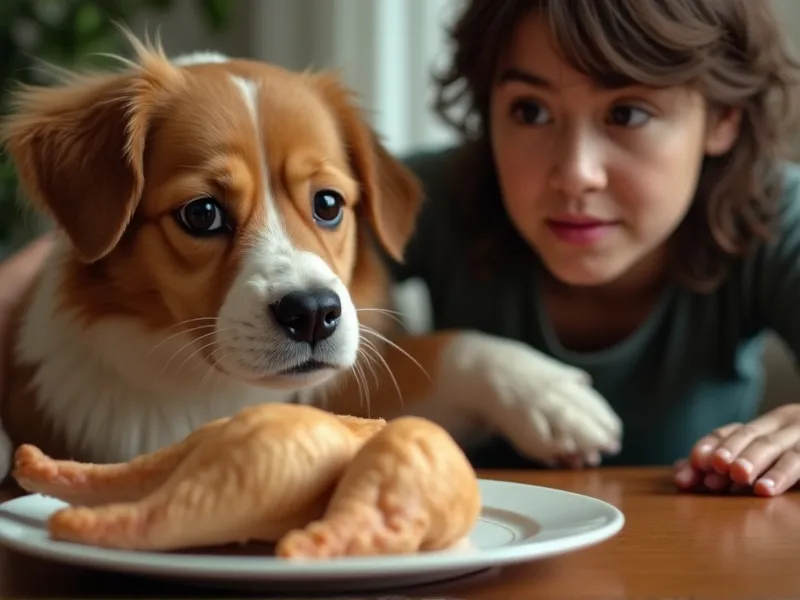
Table of Contents
- Can Dogs Eat Uncooked Chicken? The Short Answer
- The Potential Benefits of Uncooked Chicken for Dogs
- High-Quality Protein: Building Blocks for Health
- Essential Nutrients: Vitamins and Minerals in Raw Chicken
- The Risks: Why Uncooked Chicken Might Not Be Safe
- Bacterial Contamination: Salmonella, Campylobacter, and More
- Choking and Internal Injuries from Bones
- Digestive Upset and Dietary Imbalance
- Safe Feeding Guidelines: If You Choose to Feed Raw Chicken
- Source Responsibly: Quality Matters
- Portion Control: How Much is Too Much?
- Handling and Storage: Reducing Bacterial Risks
- Healthier Alternatives to Uncooked Chicken
- Cooked Chicken: A Safer Treat
- Other Lean Proteins for Dogs
- Veggie-Based Treats for Variety
- Frequently Asked Questions (FAQ)
- Conclusion: Prioritizing Your Dog’s Health and Happiness
- References
1. Can Dogs Eat Uncooked Chicken? The Short Answer
Technically, dogs can eat uncooked chicken—but it’s not without risks.
Dogs are descendants of wolves, who ate raw meat in the wild, so their digestive systems are somewhat equipped to handle raw protein. However, modern dogs live in our homes, and raw chicken today carries more potential dangers than the prey their ancestors hunted. The biggest concerns? Bacterial infections (like salmonella), choking hazards from bones, and the risk of dietary imbalance if raw chicken becomes a staple.
Most veterinarians recommend cooked chicken over raw, as it eliminates many of these risks while still providing nutrients. But if you’re considering adding raw chicken to your dog’s diet, it’s crucial to understand both the pros and cons first.
2. The Potential Benefits of Uncooked Chicken for Dogs
While raw chicken has risks, some pet parents choose to feed it for its nutritional perks. Here’s what makes it appealing:
High-Quality Protein: Building Blocks for Health
Chicken is a complete protein, meaning it contains all nine essential amino acids dogs need for muscle growth, tissue repair, and overall energy. Raw chicken retains these amino acids in their most natural form—cooking can break down some nutrients, though most remain intact. For active dogs, working breeds, or those recovering from illness, this protein boost can support lean muscle mass.
Essential Nutrients: Vitamins and Minerals in Raw Chicken
Raw chicken is packed with key nutrients, including:
- B Vitamins (B6, B12): Support brain function, energy metabolism, and a healthy coat.
- Selenium: An antioxidant that boosts immune health and protects cells from damage.
- Phosphorus: Works with calcium to keep bones and teeth strong.
- Potassium: Regulates heart rate and muscle function.
- Zinc: Supports skin health, wound healing, and immune response.
These nutrients are present in cooked chicken too, but some pet parents believe raw diets preserve them more effectively.
3. The Risks: Why Uncooked Chicken Might Not Be Safe
The benefits of raw chicken are overshadowed by significant risks, which is why most vets caution against it. Let’s break them down:
Bacterial Contamination: Salmonella, Campylobacter, and More
Raw chicken is a common carrier of harmful bacteria like Salmonella and Campylobacter. According to the CDC, these bacteria cause over 1.35 million illnesses in humans yearly—and dogs can spread them without showing symptoms.
- For dogs: Symptoms of salmonella include diarrhea (sometimes bloody), vomiting, fever, lethargy, and loss of appetite. Puppies, senior dogs, or those with weakened immune systems (e.g., from diabetes or cancer) are at higher risk of severe illness.
- For humans: You can get sick from handling raw chicken your dog eats, or from contact with their feces. Children, pregnant people, and the elderly are most vulnerable.
Choking and Internal Injuries from Bones
Even raw chicken bones pose a hazard. Unlike larger bones (e.g., beef marrow bones), chicken bones are small, thin, and brittle—even when raw. They can splinter, get stuck in your dog’s throat, esophagus, or intestines, causing choking, tears, or blockages. In severe cases, surgery may be needed to remove the bone fragments.
Pro tip: Never feed your dog cooked chicken bones—they’re even more likely to splinter than raw ones.
Digestive Upset and Dietary Imbalance
If your dog isn’t used to raw food, sudden introduction of uncooked chicken can lead to stomach upset: diarrhea, gas, or vomiting. Dogs thrive on balanced diets, and raw chicken alone lacks fiber, vitamins (like vitamin C), and other nutrients found in fruits, veggies, and grains. Feeding raw chicken as a main diet (without supplementation) can lead to deficiencies over time.
4. Safe Feeding Guidelines: If You Choose to Feed Raw Chicken
If you’ve weighed the risks and still want to offer raw chicken (e.g., as part of a balanced raw diet), follow these rules to minimize danger:
Source Responsibly: Quality Matters
Choose human-grade, antibiotic-free chicken from reputable sources. Avoid grocery store “mechanically separated” chicken or meat labeled “for pets only”—these may contain lower-quality cuts or additives. Look for organic or free-range options when possible, as they’re less likely to carry bacteria (though no chicken is 100% risk-free).
Portion Control: How Much is Too Much?
Raw chicken should never make up more than 10% of your dog’s daily calories if given as a treat. For a balanced raw diet (under a vet’s guidance), it might be a larger portion—but always paired with veggies, fruits, and supplements to avoid gaps.
- Small dogs (10-20 lbs): 1-2 oz of raw chicken per day (as part of a meal, not a treat).
- Medium dogs (30-50 lbs): 3-4 oz per day.
- Large dogs (60+ lbs): 5-6 oz per day.
Adjust based on your dog’s activity level and calorie needs—overfeeding can lead to obesity.
Handling and Storage: Reducing Bacterial Risks
Treat raw chicken for your dog like you would for yourself:
- Thaw safely: Defrost frozen chicken in the fridge, not on the counter, to prevent bacterial growth.
- Clean thoroughly: Wash hands, cutting boards, and utensils with soap and water after handling. Use a separate cutting board for your dog’s food to avoid cross-contamination.
- Store properly: Keep raw chicken refrigerated (40°F or below) and use within 1-2 days, or freeze for up to 6 months.
- Monitor your dog: After feeding, watch for signs of illness (diarrhea, vomiting, lethargy) for 24-48 hours.
5. Healthier Alternatives to Uncooked Chicken
If you want to treat your dog to chicken without the risks, cooked chicken is the way to go. It’s safer, just as nutritious, and easier to digest. Here are other great options:
Cooked Chicken: A Safer Treat
Boil, bake, or grill chicken (no salt, pepper, garlic, or onions—these are toxic to dogs). Shred or dice it and mix into kibble, or offer as a standalone treat. Cooked chicken retains most nutrients and eliminates bacteria, making it a vet-approved favorite.
Other Lean Proteins for Dogs
- Turkey: Low in fat, high in protein, and a great alternative to chicken.
- Lean beef: Rich in iron and zinc (choose ground beef with <10% fat).
- Salmon: Cooked, boneless salmon provides omega-3 fatty acids for healthy skin and coat.
- Eggs: Scrambled or hard-boiled eggs are a protein-packed snack (avoid raw eggs, which carry salmonella risk).
Veggie-Based Treats for Variety
Dogs love veggies too! Try:
- Carrots: Crunchy and low in calories—great for dental health.
- Green beans: High in fiber and vitamins (cooked or raw).
- Sweet potatoes: Cooked, mashed sweet potatoes offer beta-carotene and fiber.
These treats add nutrients without the protein overload.
6. Frequently Asked Questions (FAQ)
Q: Can puppies eat uncooked chicken?
A: Puppies have weaker immune systems and developing digestive tracts, so raw chicken is riskier for them. Stick to cooked chicken or puppy-safe treats until they’re at least 6 months old (and always ask your vet first).
Q: My dog ate raw chicken accidentally—what should I do?
A: Stay calm! Most dogs will be fine, but monitor for 24-48 hours. Watch for diarrhea, vomiting, or lethargy. If symptoms appear, contact your vet. Also, wash any surfaces your dog touched to avoid human exposure to bacteria.
Q: Is a raw chicken diet better than kibble?
A: Not necessarily. High-quality kibble is formulated to meet all of a dog’s nutritional needs. Raw diets require careful planning (e.g., adding supplements, balancing proteins/fats/carbs) to avoid deficiencies. Many vets caution against raw diets due to bacterial risks.
Q: How do I safely prepare raw chicken for my dog?
A: If feeding raw, use gloves, wash surfaces, and thaw in the fridge. Avoid cross-contamination with human food. Always consult a vet or veterinary nutritionist to ensure the diet is balanced.
7. Conclusion: Prioritizing Your Dog’s Health and Happiness
At the end of the day, the question “can dogs eat uncooked chicken?” has no one-size-fits-all answer. While raw chicken offers nutrients, the risks of bacteria, bones, and imbalance often make cooked chicken a safer choice.
If you’re considering a raw diet, work with your vet to create a plan tailored to your dog’s age, breed, and health. For most pet parents, occasional cooked chicken treats (or other safe proteins) will keep your pup happy and healthy without the stress.
Remember: Every dog is unique! What works for one may not work for another. When in doubt, consult your vet—they know your furry friend best.
8. References
- American Veterinary Medical Association (AVMA). (2021). Raw Pet Food. avma.org/resources/pet-owners/nutrition/raw-pet-food
- Centers for Disease Control and Prevention (CDC). (2023). Salmonella. cdc.gov/salmonella/index.html
- American Kennel Club (AKC). (2022). Can Dogs Eat Chicken? akc.org/expert-advice/nutrition/can-dogs-eat-chicken/
- PetMD. (2023). Raw Food Diet for Dogs: Risks and Benefits. petmd.com/dog/nutrition/raw-food-diet-dogs-risks-and-benefits