· 8 min read
Can Dogs Eat Uncooked Broccoli? The Ultimate Guide for Pet Parents
Picture this: You’re enjoying a crunchy, fresh salad, broccoli florets glistening with a drizzle of olive oil, when your dog trots over. Their eyes lock onto yours, tail wagging, and that look—the one that says, “Share? Please?”—melts your heart. Before you toss them a floret, you hesitate: Is uncooked broccoli safe for dogs? Can it actually be good for them? Or are there hidden risks?
If you’ve ever asked these questions, you’re not alone. As pet parents, we want to treat our pups to healthy, tasty snacks, but navigating “human foods” can feel like tiptoeing through a minefield. Today, we’re breaking down everything you need to know about uncooked broccoli and dogs: the benefits, the risks, how much to feed, and even healthier alternatives. Let’s dive in!
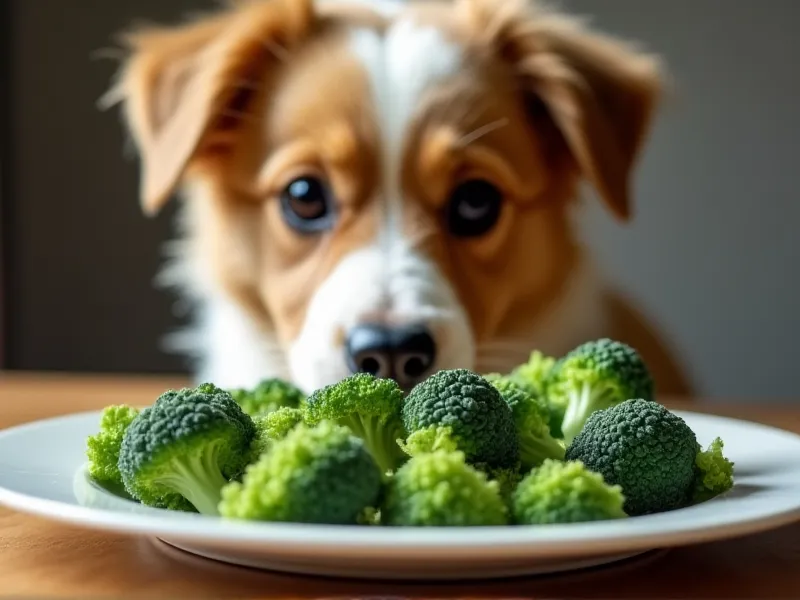
Table of Contents
- Can Dogs Eat Uncooked Broccoli? The Short Answer
- The Benefits of Uncooked Broccoli for Dogs
- Nutrient Powerhouse: Vitamins & Minerals
- Fiber: A Digestive Helper (In Moderation)
- Low-Calorie, High-Volume Treat
- The Risks of Feeding Uncooked Broccoli to Dogs
- Choking Hazards: Size and Texture Matter
- Fiber Overload: Stomach Upset and Gas
- Goitrogens: A Minor Concern (But Worth Mentioning)
- How Much Uncooked Broccoli Can Dogs Safely Eat?
- Healthier Alternatives to Uncooked Broccoli
- FAQ: Your Broccoli Questions Answered
- Conclusion: Enjoy the Crunch—Safely!
- References
1. Can Dogs Eat Uncooked Broccoli? The Short Answer
Yes, dogs can eat small amounts of uncooked broccoli—but with caveats.
Broccoli is non-toxic to dogs (good news!), and in moderation, it can even offer some health benefits. However, “small amounts” is key. Uncooked broccoli is high in fiber and has a tough texture, which can lead to digestive issues or choking if overfed. Think of it as an occasional treat, not a meal replacement.
2. The Benefits of Uncooked Broccoli for Dogs
Let’s start with the good stuff: Why might you want to share a floret or two with your pup? Uncooked broccoli is packed with nutrients that can support your dog’s health—when served correctly.
Nutrient Powerhouse: Vitamins & Minerals
Broccoli is like a multivitamin in veggie form, and many of these nutrients are just as beneficial for dogs as they are for humans:
- Vitamin C: Dogs produce some vitamin C on their own, but extra can support their immune system, especially during stress or illness. It also aids in collagen production, keeping skin, joints, and blood vessels healthy.
- Vitamin K: Critical for blood clotting and bone health. A deficiency in vitamin K can lead to excessive bleeding, so this nutrient is a quiet hero for your dog’s well-being.
- Potassium: Supports muscle function, nerve signaling, and heart health. It helps balance fluids in the body, keeping your dog’s organs running smoothly.
- Antioxidants: Broccoli contains lutein and zeaxanthin, which support eye health, and sulforaphane, an antioxidant with anti-inflammatory properties (though research on sulforaphane in dogs is still emerging).
Fiber: A Digestive Helper (In Moderation)
Fiber is essential for a healthy gut, and uncooked broccoli is a good source of both soluble and insoluble fiber:
- Insoluble fiber adds bulk to stool, helping with regularity (great for dogs prone to constipation).
- Soluble fiber feeds beneficial gut bacteria, supporting overall digestive health.
But here’s the catch: Too much fiber can backfire (more on that in the “Risks” section!).
Low-Calorie, High-Volume Treat
If your dog needs to lose weight or you’re looking for a low-calorie alternative to commercial treats, uncooked broccoli is a winner. A cup of raw broccoli has only about 31 calories, making it a crunchy, satisfying snack without the added fats or sugars of processed treats.
3. The Risks of Feeding Uncooked Broccoli to Dogs
While broccoli has perks, it’s not without risks—especially when served uncooked. Let’s break down what to watch for.
Choking Hazards: Size and Texture Matter
Uncooked broccoli is tough and can be a choking risk, especially for small dogs or those who gulp their food. Florets can get stuck in the throat, and stems are even more problematic—they’re fibrous and hard, making them difficult to chew and swallow.
Pro tip: Always chop broccoli into bite-sized pieces, about the size of a pea for small dogs or a blueberry for larger breeds. Skip the stems unless you mince them finely.
Fiber Overload: Stomach Upset and Gas
Remember that fiber we praised earlier? Too much can lead to:
- Gas: Broccoli is part of the cruciferous family (along with cabbage and Brussels sprouts), which contains sugars that are hard for dogs to digest. This can cause bloating, flatulence, or discomfort.
- Diarrhea or constipation: Excess fiber can throw off your dog’s digestive balance, leading to loose stools or, paradoxically, constipation if they’re not drinking enough water.
Even dogs with ironclad stomachs can react to large amounts. Start with one small floret and monitor for 24 hours before offering more.
Goitrogens: A Minor Concern (But Worth Mentioning)
Broccoli contains goitrogens, compounds that can interfere with thyroid function by blocking iodine absorption—in very large quantities. However, this is rarely a risk for dogs. To put it in perspective: A 50-pound dog would need to eat several cups of broccoli daily for weeks to develop thyroid issues.
Unless your dog has a pre-existing thyroid condition (e.g., hypothyroidism), goitrogens in occasional broccoli treats are nothing to lose sleep over. Still, it’s a good reminder to keep portions tiny.
4. How Much Uncooked Broccoli Can Dogs Safely Eat?
The golden rule for treats: They should make up no more than 10% of your dog’s daily calorie intake. For uncooked broccoli, that translates to very small portions.
Here’s a general guide based on your dog’s size:
- Small dogs (under 20 lbs): 1–2 tiny florets (chopped into pea-sized pieces) per day.
- Medium dogs (20–50 lbs): 2–3 small florets (chopped) per day.
- Large dogs (50+ lbs): 3–4 florets (chopped) per day.
Never feed broccoli as a meal. It lacks the protein, fats, and balanced nutrients dogs need from their regular food.
5. Healthier Alternatives to Uncooked Broccoli
If you’re worried about choking or digestive issues, cooked broccoli is often a better choice. Cooking softens the texture, making it easier to chew and digest, and reduces the risk of gas.
Other veggie alternatives that are safer or gentler on the stomach:
- Cooked broccoli: Steam or boil it (no salt, butter, or seasonings!) until tender but not mushy.
- Carrots: Crunchy, low-calorie, and high in beta-carotene (supports eye health). Raw carrots are safer than raw broccoli for most dogs.
- Green beans: Fresh or steamed, they’re packed with fiber and vitamins, and their shape is less likely to cause choking.
- Cucumber: Hydrating, low-calorie, and easy to digest—great for hot days!
- Sweet potato: Cooked and mashed (no skin for small dogs), it’s rich in fiber and vitamins A and C.
6. FAQ: Your Broccoli Questions Answered
Q: Can puppies eat uncooked broccoli?
A: Puppies have sensitive digestive systems, so it’s best to stick to their puppy food (formulated for their growing needs). If you want to offer a treat, opt for a tiny piece of cooked broccoli (mashed) and watch for diarrhea. Always consult your vet before introducing new foods to puppies.
Q: My dog ate a whole bowl of uncooked broccoli! What should I do?
A: Stay calm, but monitor for symptoms: excessive gas, vomiting, diarrhea, or lethargy. If your dog shows any of these, contact your vet. Most dogs will just have a gassy day, but in rare cases, large amounts can cause intestinal blockages (especially with stems).
Q: Are broccoli stems safe for dogs?
A: Stems are safe but risky due to their texture. They’re hard to chew and can get stuck in the throat or intestines. If you want to use stems, mince them into a fine dice or cook them until soft and mashable.
Q: Is cooked broccoli better than uncooked for dogs?
A: Yes, for most dogs! Cooking breaks down tough fibers, making it easier to digest and reducing choking risk. Steaming is the best method—avoid adding salt, oil, or seasonings.
Q: Can broccoli replace my dog’s regular treats?
A: It can be a healthy addition, but variety is key! Dogs need balanced nutrition, so mix in other veggies (like carrots or green beans) and occasional high-protein treats (like plain, cooked chicken) to keep things interesting.
7. Conclusion: Enjoy the Crunch—Safely!
So, can dogs eat uncooked broccoli? Yes, in small, chopped portions, as an occasional treat. It’s a nutrient-dense, low-calorie snack that can support your dog’s immune system, digestion, and overall health—when fed mindfully.
Remember: Always chop broccoli into tiny pieces to avoid choking, start with a small amount, and watch for digestive upset. When in doubt, cooked broccoli (steamed, no extras!) is a safer, gentler option.
And as with any new food, if your dog has underlying health issues (like thyroid problems or digestive sensitivities), check with your vet first. They can help you decide if broccoli is a good fit for your pup’s unique needs.
Here’s to happy, healthy snacking—for both you and your four-legged friend!
8. References
- American Kennel Club (AKC). “Can Dogs Eat Broccoli?” akc.org/expert-advice/nutrition/can-dogs-eat-broccoli
- ASPCA. “Toxic and Non-Toxic Plants: Broccoli.” aspca.org/pet-care/animal-poison-control/toxic-and-non-toxic-plants/broccoli
- PetMD. “Vegetables Dogs Can and Can’t Eat.” petmd.com/dog/nutrition/which-vegetables-are-safe-dogs-eat
- Tufts University Cummings School of Veterinary Medicine. “Feeding Your Dog: Human Foods.” tuftscvm.org/for-pet-owners/nutrition/feeding-your-dog-human-foods
- Veterinary Centers of America (VCA). “Dietary Fiber for Dogs.” vca.com/vet-library/dietary-fiber-for-dogs