· 8 min read
Can Dogs Eat Uncooked Bacon? The Surprising Risks Every Pet Parent Should Know
It’s a familiar scene: Saturday morning, sunlight streaming through the kitchen, and the mouthwatering aroma of bacon filling the air. As you flip a strip in the pan, you feel a soft nudge on your leg. There’s your dog, tail thumping, eyes wide with hope, as if to say, “Share the love?” It’s hard to resist those puppy-dog eyes—but before you toss them a bite, pause. What if that bacon isn’t cooked yet? Can dogs eat uncooked bacon, or is this a treat that’s better left off the menu?
If you’ve ever wondered about the safety of uncooked bacon for your pup, you’re not alone. Bacon is a beloved human food, but when it comes to our four-legged friends, not all “people snacks” are created equal. In this guide, we’ll break down the risks, debunk myths, and share safer alternatives to keep your dog happy and healthy. Let’s dive in!
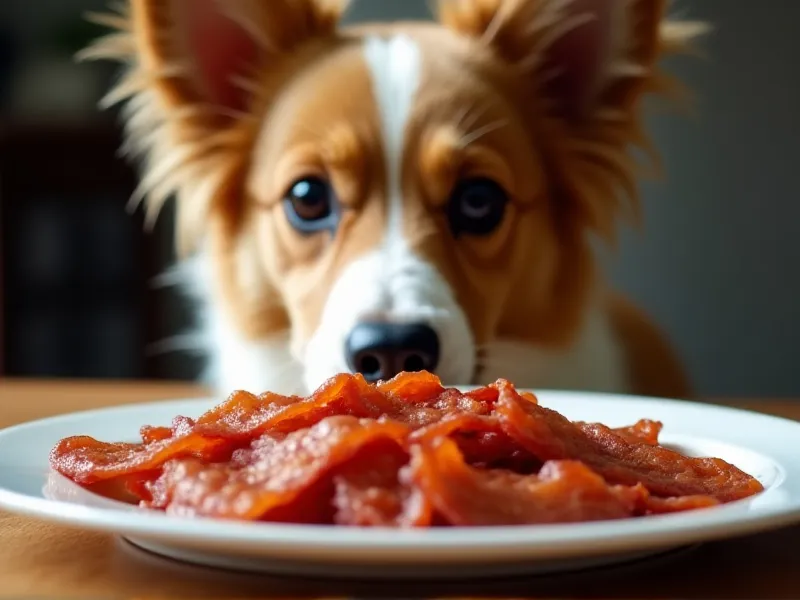
Table of Contents
- Can Dogs Eat Uncooked Bacon? The Short Answer
- The Myth of “Benefits”: What Uncooked Bacon Doesn’t Offer
- The Real Risks: Why Uncooked Bacon Is Dangerous for Dogs
- How Much Uncooked Bacon Is “Safe” for Dogs?
- Healthier Alternatives to Uncooked Bacon
- FAQ: Your Uncooked Bacon Questions Answered
- Conclusion: Prioritizing Your Dog’s Safety
Can Dogs Eat Uncooked Bacon? The Short Answer
No, dogs should not eat uncooked bacon.
While cooked bacon is sometimes considered a rare, small treat (with caveats—more on that later), uncooked bacon poses significant health risks to dogs. From bacterial infections to pancreatitis, the dangers far outweigh any potential “benefits” of this salty, fatty food. To keep your pup safe, it’s best to avoid feeding them uncooked bacon entirely.
The Myth of “Benefits”: What Uncooked Bacon Doesn’t Offer
You might think, “Bacon is meat, and dogs are carnivores—so it must have some nutritional value, right?” While it’s true that bacon comes from pork (a source of protein), uncooked bacon is a processed, unhealthy version of meat that offers little to no benefit for dogs. Let’s break down the supposed “upsides” and why they don’t hold up:
Protein: A Small Win, but Not Worth the Risk
Uncooked bacon does contain protein, which is essential for dogs’ muscle health, immune function, and energy. However, the protein in bacon is low-quality compared to lean, unprocessed meats like chicken or turkey. Plus, the high fat and sodium in bacon negate any minor protein benefits. Your dog can get far more protein from safer, healthier sources without the added risks.
“Fiber” or “Potassium”? Not Exactly
Some might claim bacon has fiber or potassium, but this is misleading. Bacon is made from pork belly, which is high in fat and salt—not fiber (which comes from plant-based foods) or significant potassium (a mineral found in bananas, sweet potatoes, and spinach). Any trace amounts of these nutrients in bacon are negligible and not worth the danger.
The Real Risks: Why Uncooked Bacon Is Dangerous for Dogs
Now, let’s get to the critical part: the risks. Uncooked bacon isn’t just “not great”—it can be harmful to your dog. Here’s what makes it so dangerous:
1. Bacterial Infections: Salmonella, E. Coli, and Listeria
Raw meat, including uncooked bacon, is a breeding ground for harmful bacteria like Salmonella, E. coli, and Listeria. These pathogens can cause severe gastrointestinal issues in dogs, including:
- Vomiting
- Diarrhea (sometimes bloody)
- Lethargy
- Fever
- Abdominal pain
In severe cases, bacterial infections can lead to dehydration, organ failure, or even death—especially in puppies, senior dogs, or those with weakened immune systems. What’s more, these bacteria are zoonotic, meaning they can spread from your dog to you or your family, putting everyone at risk.
2. High Fat Content: A Recipe for Pancreatitis
Bacon is extremely high in fat (about 30g of fat per 100g serving). Dogs’ digestive systems aren’t designed to handle large amounts of fat, and a sudden influx can trigger pancreatitis—an inflammation of the pancreas. The pancreas produces enzymes that help digest food, but when it’s inflamed, these enzymes attack the organ itself, causing severe pain and damage.
Symptoms of pancreatitis in dogs include:
- Severe vomiting
- Loss of appetite
- Abdominal swelling or tenderness
- Lethargy
- Dehydration
Pancreatitis is a life-threatening condition that requires immediate veterinary care. Even mild cases can lead to long-term health issues, like chronic pancreatitis or diabetes.
3. Sodium Toxicity: Too Much Salt for Your Pup
Bacon is loaded with salt—about 1,900mg of sodium per 100g serving. For context, a 30-pound dog should consume no more than 100mg of sodium per day (according to the National Research Council). A single strip of uncooked bacon could exceed your dog’s daily sodium limit, leading to sodium ion poisoning.
Symptoms of sodium toxicity include:
- Excessive thirst and urination
- Vomiting
- Diarrhea
- Tremors or seizures
- Confusion or disorientation
- In severe cases, brain swelling or death
4. Preservatives: Nitrates and Nitrites
Most commercial bacon contains preservatives like nitrates and nitrites, which are added to keep it fresh and give it that pink color. While the FDA considers these safe for humans in small amounts, they’re toxic to dogs. Nitrates can convert to nitrites in the body, which interfere with oxygen transport in the blood, leading to a condition called methemoglobinemia (oxygen deprivation). Symptoms include pale gums, weakness, and difficulty breathing.
5. Choking or Intestinal Blockages
Uncooked bacon is chewy and can be tough for dogs to break down, especially if they gulp it down. Large pieces can get stuck in their throat (choking hazard) or cause intestinal blockages, which require emergency surgery to remove.
How Much Uncooked Bacon Is “Safe” for Dogs?
The short answer: None.
There’s no “safe” amount of uncooked bacon to feed your dog. Even a small bite could expose them to bacteria, trigger pancreatitis, or cause sodium toxicity. Remember: dogs are much smaller than humans, so a tiny portion of bacon for us is a large portion for them.
If your dog accidentally eats a small piece of uncooked bacon, monitor them closely for symptoms like vomiting, diarrhea, or lethargy. If you notice any red flags, contact your vet immediately.
Healthier Alternatives to Uncooked Bacon
Just because uncooked bacon is off the table doesn’t mean your dog can’t enjoy tasty treats! Here are some safe, nutritious alternatives that will make their tail wag:
1. Cooked Lean Meats
Opt for unseasoned, cooked meats like:
- Chicken breast (boiled or baked, no salt/seasoning)
- Turkey (lean, skinless)
- Lean beef (ground or sliced, cooked thoroughly)
These provide high-quality protein without the fat, salt, or bacteria of uncooked bacon.
2. Fresh Fruits and Veggies
Many dogs love fruits and veggies, which are low in calories and packed with vitamins:
- Carrots (crunchy and great for dental health)
- Blueberries (antioxidants to boost immunity)
- Sweet potatoes (baked, no added sugar—rich in fiber and vitamins A and C)
- Apples (sliced, no seeds—source of fiber and vitamin C)
3. Commercial Dog Treats
Look for high-quality dog treats made with natural ingredients, no added salt, and low fat. Brands like Zuke’s, Blue Buffalo, or Wellness offer tasty options tailored to dogs’ nutritional needs.
4. Frozen Treats
For a cool summer snack, freeze plain yogurt (unsweetened, no xylitol) with blueberries or banana slices. It’s a creamy, healthy treat your dog will love!
FAQ: Your Uncooked Bacon Questions Answered
Q: My dog ate a piece of uncooked bacon! What should I do?
A: Stay calm and monitor your dog for 24–48 hours. Watch for symptoms like vomiting, diarrhea, lethargy, or loss of appetite. If any of these occur, contact your vet immediately. If your dog is a puppy, senior, or has health issues, call your vet right away—they may recommend inducing vomiting or other treatments.
Q: Is cooked bacon safe for dogs, then?
A: Cooked bacon is slightly safer than uncooked, but it’s still not ideal. It’s high in fat and sodium, so it should only be given as an occasional, tiny treat (e.g., a small piece once a month). Avoid seasoned bacon (no garlic, onion, or spices, which are toxic to dogs) and never feed cooked bacon bones (they can splinter and cause choking or blockages).
Q: Can puppies eat uncooked bacon?
A: Puppies have sensitive digestive systems and weaker immune systems, making them even more vulnerable to bacterial infections and pancreatitis. Never feed uncooked bacon to puppies—stick to their puppy food and vet-approved treats.
Q: What if my dog begs for bacon? How can I say no without feeling guilty?
A: Dogs thrive on routine and positive reinforcement! Instead of bacon, offer a safe treat like a carrot stick or a piece of cooked chicken. Praise them when they take the healthy option—they’ll learn quickly that “no bacon” means “yummy treat instead!”
Conclusion: Prioritizing Your Dog’s Safety
At the end of the day, our dogs are family, and we want to spoil them—but their health always comes first. Uncooked bacon may seem like a harmless indulgence, but the risks of bacterial infections, pancreatitis, and sodium toxicity are simply too great.
Instead of sharing raw bacon, opt for safe, nutritious treats that will keep your pup happy and healthy for years to come. And when in doubt, always consult your veterinarian—they know your dog’s unique needs best.
So, next time you’re cooking bacon, save the uncooked strips for the pan, and give your dog a carrot stick or a belly rub instead. Trust us—they’ll wag their tail just as hard (and you’ll both sleep better knowing they’re safe).
References
- American Veterinary Medical Association (AVMA). “Raw Pet Food: A Risky Choice.” avma.org/resources/pet-owners/petcare/raw-pet-food-risky-choice
- ASPCA. “People Foods to Avoid Feeding Your Pets.” aspca.org/pet-care/animal-poison-control/people-foods-avoid-feeding-your-pets
- VCA Animal Hospitals. “Pancreatitis in Dogs.” vcahospitals.com/know-your-pet/pancreatitis-in-dogs
- PetMD. “Sodium Ion Toxicity in Dogs.” petmd.com/dog/conditions/toxicity/sodium-ion-toxicity-dogs