· 10 min read
Can Dogs Eat Ube Ice Cream? A Pet Parent’s Guide to Sharing Sweet Treats Safely
It’s a warm summer day, and you’re indulging in a scoop of vibrant purple ube ice cream—creamy, subtly sweet, and swirled with the earthy flavor of purple yam. Across the room, your dog sits, tail thumping, those big, soulful eyes locked on your spoon. “Just a tiny bite?” you wonder. After all, ube is a natural ingredient, right? But before you cave to those puppy-dog eyes, let’s answer the question: Can dogs eat ube ice cream?
As pet parents, we want to share life’s little joys with our furry friends, but not all human treats are safe for dogs. In this guide, we’ll break down the facts: the potential benefits of ube (the purple yam itself), the risks of ube ice cream, how much (if any) is safe, and healthier alternatives to satisfy your dog’s sweet tooth. Let’s dive in!
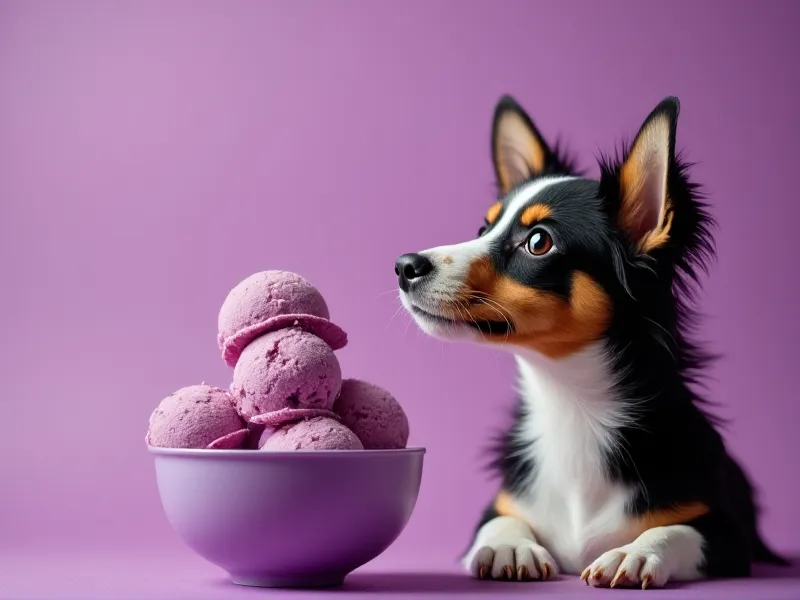
Table of Contents
- Can Dogs Eat Ube Ice Cream? The Short Answer
- What Is Ube, Anyway?
- Potential Benefits of Ube for Dogs (Yes, the Yam Itself!)
- Risks of Ube Ice Cream for Dogs: Why It’s Best to Skip
- How Much Ube Ice Cream Can Dogs Eat? (If You Must Share)
- Healthier Alternatives to Ube Ice Cream for Dogs
- FAQ: Your Ube Ice Cream Questions, Answered
- Conclusion: Prioritize Your Dog’s Health (But Still Spoil Them!)
Can Dogs Eat Ube Ice Cream? The Short Answer
No, dogs should not eat ube ice cream—at least, not regularly or in large amounts. While ube (the purple yam) itself is non-toxic and even offers some nutrients, ube ice cream is a processed treat loaded with sugar, dairy, and sometimes harmful additives. These ingredients can cause stomach upset, weight gain, or more serious health issues in dogs.
In short: The yam is okay in small, plain doses, but the ice cream is not. Let’s unpack why.
What Is Ube, Anyway?
Before we get into the ice cream, let’s clarify what ube is. Ube (pronounced “oo-beh”) is a vibrant purple yam native to the Philippines and other Southeast Asian countries. It’s prized for its natural lilac hue, sweet, nutty flavor, and versatility in desserts like cakes, pastries, and—you guessed it—ice cream.
Ube is often confused with taro, another starchy root vegetable, but they’re distinct: ube has a deeper purple color and a sweeter taste, while taro is more earthy and slightly bitter. Importantly, ube is not toxic to dogs (unlike some other human foods, like chocolate or grapes). In fact, when cooked and served plain, it can offer some nutritional perks.
Potential Benefits of Ube for Dogs (Yes, the Yam Itself!)
While ube ice cream is off the table, the raw (or, more accurately, cooked) ube yam has some redeeming qualities. Here’s why this purple superfood might deserve a spot in your dog’s occasional treat rotation (in plain form, of course):
1. Fiber for Digestive Health
Ube is rich in dietary fiber, which supports healthy digestion in dogs. Fiber helps regulate bowel movements, prevents constipation, and keeps the gut microbiome balanced. Just like in humans, a little fiber goes a long way for your pup’s tummy!
2. Potassium for Heart and Muscle Function
Potassium is an essential mineral that helps maintain healthy blood pressure, supports heart function, and aids muscle contraction. Ube contains a decent amount of potassium, which can complement your dog’s balanced diet (though they’ll get most of their potassium from their regular dog food).
3. Antioxidants for Immune Support
Ube’s vibrant purple color comes from anthocyanins—powerful antioxidants that fight free radicals and reduce inflammation. While research on dogs is limited, antioxidants are generally beneficial for overall immune health and may even support joint health in aging pups.
4. Vitamins and Minerals
Ube also contains small amounts of vitamin C (which boosts immunity), vitamin A (supports eye health), and manganese (important for bone health and metabolism). Again, these are not a replacement for a complete dog food, but they’re a nice bonus in a treat.
Risks of Ube Ice Cream for Dogs: Why It’s Best to Skip
Now, let’s get back to the star of the show: ube ice cream. While the ube yam itself is harmless, the ice cream version is a different story. Here’s why sharing that scoop with your dog could do more harm than good:
1. Sugar: A Major Red Flag
The biggest issue with ube ice cream (and most human ice creams) is sugar. Ice cream is loaded with added sugars to enhance sweetness, and dogs have no biological need for sugar in their diet. Excess sugar can lead to:
- Obesity: Extra calories from sugar quickly add up, increasing the risk of weight gain and related issues like joint pain or diabetes.
- Dental Problems: Sugar feeds harmful bacteria in your dog’s mouth, leading to plaque, tartar, and tooth decay.
- Insulin Spikes: Dogs’ bodies aren’t designed to process large amounts of sugar, which can cause energy crashes, hyperactivity, or long-term insulin resistance.
Even “low-sugar” or “sugar-free” ice creams can be dangerous: many use xylitol, an artificial sweetener that is highly toxic to dogs (it causes a rapid drop in blood sugar and liver failure). Always check the label!
2. Lactose Intolerance: Dairy = Stomach Upset
Most dogs are lactose intolerant. Unlike puppies, who produce lactase (the enzyme that breaks down lactose, the sugar in milk), adult dogs often lose this ability. Feeding dairy products like ice cream can lead to:
- Diarrhea
- Vomiting
- Gas or bloating
- Abdominal pain
Some dogs are more sensitive than others, but even a small lick of ice cream can trigger discomfort.
3. Additives and Toppings: Hidden Dangers
Ube ice cream rarely comes plain. Many varieties include mix-ins like chocolate chips, nuts, sprinkles, or candy—all of which are risky for dogs:
- Chocolate: Toxic to dogs, as it contains theobromine, which can cause seizures, heart arrhythmias, or even death.
- Nuts: Macadamia nuts are toxic, and others (like almonds or walnuts) can be choking hazards or high in fat, leading to pancreatitis.
- Sprinkles or candy: Often high in sugar, artificial colors, or xylitol.
Even “plain” ube ice cream may contain stabilizers, artificial flavors, or preservatives that aren’t ideal for dogs.
4. Choking Hazard
Ice cream is thick and creamy, and if your dog gobbles it down too quickly, it could cause choking—especially if there are chunks of ube or other mix-ins. Small breeds are particularly at risk.
How Much Ube Ice Cream Can Dogs Eat? (If You Must Share)
Let’s be real: We’ve all given in to those puppy eyes and shared a tiny bite of our food. If you accidentally (or intentionally) let your dog lick a smidge of ube ice cream, don’t panic—but proceed with extreme caution.
The Verdict: “None” Is Best, but “Tiny” Is the Only Exception
The safest rule is to avoid ube ice cream altogether. But if you’re in a pinch and want to share the tiniest taste (we’re talking a lick off your finger, not a spoonful), here’s what to keep in mind:
- Check the ingredients first: No chocolate, nuts, xylitol, or artificial sweeteners.
- Stick to plain ube ice cream: Skip mix-ins or toppings.
- Monitor your dog: Watch for signs of stomach upset (vomiting, diarrhea, gas) for 24 hours. If they show symptoms, contact your vet.
A Note on Portion Size
Even a small amount of sugar can be problematic. For context: A single scoop of ube ice cream contains ~15–20 grams of sugar. For a 30-pound dog, that’s equivalent to a human eating ~100 grams of sugar in one sitting—way too much!
Save the ice cream for yourself. Your dog will thank you (and their tummy will too).
Healthier Alternatives to Ube Ice Cream
Craving a way to share a cool, sweet treat with your dog? Skip the ube ice cream and try these dog-safe alternatives instead. They’re just as tasty (to your pup, anyway) and won’t compromise their health:
1. Plain Cooked Ube (The Star of the Show!)
Remember how we said ube itself is safe? Cooked, mashed ube (without sugar, butter, or salt) makes a delicious, nutrient-packed treat. Simply boil or steam the yam until soft, mash it, and let it cool. Serve a teaspoon (for small dogs) to a tablespoon (for large dogs) as an occasional snack.
2. Frozen Banana “Ice Cream”
Bananas are a dog-safe fruit rich in potassium, vitamin B6, and fiber. Freeze a ripe banana, then blend it into a creamy “ice cream” consistency. For extra flair, mix in a tiny bit of mashed ube (cooked, of course!) for that purple hue. Your dog will go wild for this frosty, natural treat.
3. Dog-Friendly Yogurt Drops
Opt for plain, unsweetened, lactose-free yogurt (many brands make lactose-free versions for humans). Spoon small dollops onto a tray, freeze them, and voila—bite-sized “ice cream” drops! Add a pinch of mashed ube for color, if you like.
4. Pumpkin or Sweet Potato Freeze
Canned pumpkin (plain, not pie filling) or cooked sweet potato is another great base for frozen treats. Mash it, freeze in silicone molds, and serve as a cool, fiber-rich snack. Both are gentle on tummies and loved by most dogs.
5. Commercial Dog Ice Cream
Yes, it exists! Brands like Pupsters or Frosty Paws make ice cream specifically for dogs, using lactose-free dairy, natural sweeteners (like honey, in small amounts), and dog-safe flavors. While these are still treats (not meals), they’re a better bet than human ice cream.
FAQ: Your Ube Ice Cream Questions, Answered
Q: Is ube toxic to dogs?
A: No! Ube (the purple yam) is non-toxic to dogs. The problem is ube ice cream, which contains sugar, dairy, and additives that are harmful.
Q: My dog stole a big bite of ube ice cream! What should I do?
A: Stay calm. Monitor them for 24 hours for signs of stomach upset (vomiting, diarrhea, lethargy) or sugar-related issues (hyperactivity, increased thirst). If they ate ice cream with chocolate, nuts, or xylitol, contact your vet immediately—these can be life-threatening.
Q: Can dogs eat ube cake or ube halaya (ube jam)?
A: Same rules apply: ube cake and jam are high in sugar, butter, and often contain frosting (which may have xylitol). Avoid them. Plain cooked ube is the only safe way to share this yam with your dog.
Q: Are there any dogs who should never have ube (even plain)?
A: Dogs with diabetes, obesity, or digestive issues should skip ube (and all treats high in carbs or sugar). Always check with your vet before introducing new foods to dogs with health conditions.
Conclusion: Prioritize Your Dog’s Health (But Still Spoil Them!)
So, can dogs eat ube ice cream? The answer is a firm “no”—the sugar, dairy, and additives make it a risky choice. But the ube yam itself, when cooked and served plain, can be a fun, nutritious occasional treat for most dogs.
At the end of the day, our dogs rely on us to make safe choices for them. While sharing a sweet moment with your pup is tempting, there are plenty of dog-friendly alternatives that let you bond without compromising their health. Whether it’s frozen banana “ice cream” or a tiny spoonful of mashed ube, your dog will love the thoughtfulness just as much as the treat itself.
When in doubt, always consult your vet before introducing new foods to your dog’s diet. They know your pup’s unique needs best!
Here’s to many more happy, healthy snack times with your furry friend—purple treats included (the safe kind, of course)!
References
- American Kennel Club (AKC). “Can Dogs Eat Ice Cream?” akc.org
- PetMD. “Human Foods Dogs Can and Can’t Eat.” petmd.com
- ASPCA Animal Poison Control Center. “Toxic and Non-Toxic Plants.” aspca.org
- University of the Philippines Los Baños. “Ube (Dioscorea alata L.): Production Guide.” (For nutritional info on ube)