· 8 min read
Can Dogs Eat Tylenol? What Pet Parents Need to Know About This Common Household Danger
It’s a scenario many pet parents dread: You’re sorting through your medicine cabinet, and your curious pup—always ready to investigate—noses a bottle of Tylenol off the counter. Or maybe your dog seems achy after a long walk, and you think, “I have Tylenol for my headaches… could a little help them feel better?”
As loving pet owners, our first instinct is to soothe our dogs when they’re in pain. But when it comes to human medications like Tylenol, that good intention could have devastating consequences. Tylenol (acetaminophen) is one of the most common over-the-counter drugs in households worldwide, but it’s also highly toxic to dogs—even in small doses.
In this guide, we’ll break down why Tylenol is dangerous for dogs, the symptoms of poisoning to watch for, what to do if your dog accidentally ingests it, and safe alternatives for managing your pup’s pain. Let’s keep your furry friend safe, healthy, and happy.
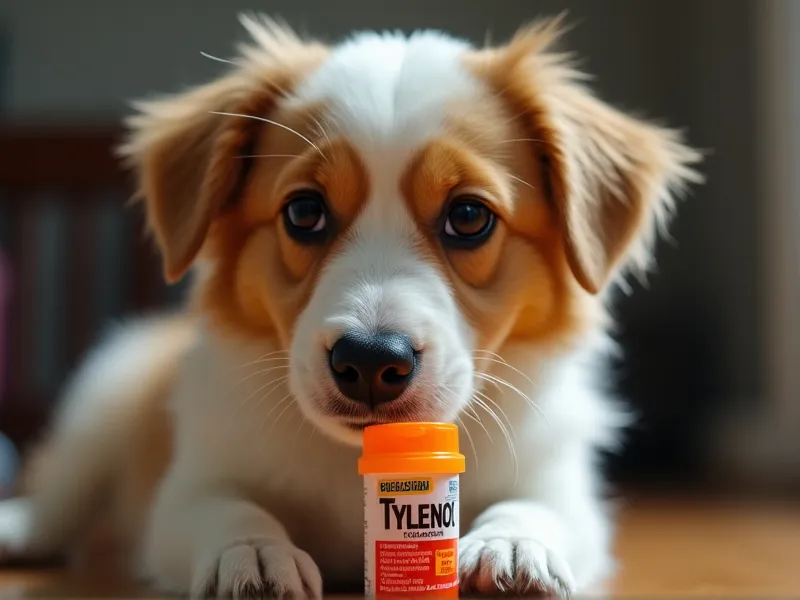
Table of Contents
- Can Dogs Eat Tylenol? The Short Answer
- Why Tylenol Is Toxic to Dogs: The Science Behind the Danger
- Symptoms of Tylenol Poisoning in Dogs
- What to Do If Your Dog Eats Tylenol
- Safe Pain Management Alternatives for Dogs
- Frequently Asked Questions (FAQ)
- Conclusion: When in Doubt, Call Your Vet
- References
Can Dogs Eat Tylenol? The Short Answer
No. Tylenol (acetaminophen) is not safe for dogs. Even small amounts can cause life-threatening toxicity, including liver failure and damage to red blood cells. Unlike humans, dogs lack the necessary enzymes to break down acetaminophen safely, leading to a buildup of harmful byproducts in their bodies. Never give your dog Tylenol—even “just a little”—without explicit approval from a veterinarian.
Why Tylenol Is Toxic to Dogs: The Science Behind the Danger
To understand why Tylenol is so dangerous for dogs, let’s start with the basics: Acetaminophen is the active ingredient in Tylenol, and it works in humans by blocking pain signals and reducing fever. But our bodies process it differently than dogs’ do.
In humans, the liver uses an enzyme called glucuronyl transferase to break down acetaminophen into harmless byproducts, which are then excreted. Dogs, however, have very low levels of this enzyme. Instead, their bodies rely on another enzyme, cytochrome P450, to metabolize acetaminophen—but this process produces a toxic compound called N-acetyl-p-benzoquinone imine (NAPQI).
In small doses, NAPQI can be neutralized by glutathione, an antioxidant in the liver. But in dogs, even a small amount of acetaminophen overwhelms glutathione stores, leaving NAPQI free to attack liver cells. This causes acute liver failure.
Additionally, acetaminophen damages dogs’ red blood cells by converting hemoglobin (the molecule that carries oxygen) into methemoglobin. Methemoglobin can’t bind to oxygen, leading to methemoglobinemia—a condition where the blood can’t deliver oxygen to the body’s tissues. This causes hypoxia (oxygen deprivation), which is fatal if untreated.
How Much Tylenol Is Toxic to Dogs?
Toxicity depends on your dog’s size, but even small doses are dangerous:
- For most dogs, as little as 10-15 mg per pound of body weight can cause toxicity.
- A single regular-strength Tylenol tablet (325 mg) could poison a 20-pound dog.
- Extra-strength Tylenol (500 mg) is even more dangerous: One tablet could harm a 30-pound dog.
Puppies, senior dogs, and dogs with liver or kidney disease are at higher risk of severe poisoning, as their bodies are less able to process toxins.
Symptoms of Tylenol Poisoning in Dogs
Tylenol poisoning symptoms can appear within 1-4 hours of ingestion, but in some cases, they may take up to 12 hours to show. Early signs are often subtle, so it’s critical to act fast if you suspect your dog has eaten Tylenol.
Common Symptoms Include:
- Vomiting (may contain blood)
- Lethargy or weakness
- Loss of appetite
- Pale or bluish gums (due to methemoglobinemia)
- Difficulty breathing (rapid or labored breathing)
- Swelling of the face, paws, or limbs (angioedema)
- Jaundice (yellowing of the skin, eyes, or gums—sign of liver damage)
- Dark urine (from liver or red blood cell breakdown)
- Seizures or collapse (in severe cases)
If left untreated, Tylenol poisoning can lead to coma, organ failure, or death within 1-3 days.
What to Do If Your Dog Eats Tylenol
If you catch your dog eating Tylenol—or suspect they have—don’t panic, but act quickly. Time is critical for treatment. Here’s what to do:
Step 1: Call Your Veterinarian or Pet Poison Helpline Immediately
Contact your vet right away. If it’s after hours, call an emergency animal hospital or the Pet Poison Helpline (855-764-7661; note: they charge a consultation fee, but it could save your dog’s life).
Step 2: Provide Key Information
Be ready to share:
- Your dog’s breed, age, weight, and overall health.
- The type of Tylenol (regular, extra-strength, chewable, liquid, etc.).
- The amount ingested (number of tablets, dosage strength).
- When the ingestion happened.
- Any symptoms your dog is showing.
Step 3: Follow Professional Guidance
Do NOT induce vomiting unless your vet or poison control explicitly tells you to. Some substances can cause more damage coming back up, and dogs with certain conditions (like seizures or difficulty breathing) may aspirate.
Your vet may recommend:
- Activated charcoal: Given within 1-2 hours of ingestion, it can bind to acetaminophen and prevent absorption.
- N-acetylcysteine (NAC): The antidote for acetaminophen poisoning, NAC replenishes glutathione and helps break down NAPQI. It’s most effective when given within 8 hours of ingestion.
- Supportive care: IV fluids, oxygen therapy, blood transfusions (for severe anemia), or liver protectants.
Safe Pain Management Alternatives for Dogs
If your dog is in pain—whether from injury, arthritis, or surgery—never reach for your own medicine cabinet. Instead, work with your vet to find a safe, effective solution. Here are some vet-approved options:
Prescription Pain Medications
Veterinarians often prescribe non-steroidal anti-inflammatory drugs (NSAIDs) designed specifically for dogs, such as:
- Carprofen (Rimadyl): Safe for long-term use in dogs with arthritis.
- Meloxicam (Metacam): Reduces inflammation and pain.
- Deracoxib (Deramaxx): Used for post-surgical pain and osteoarthritis.
Other prescription options for severe pain include tramadol (a narcotic-like pain reliever) or gabapentin (for nerve pain).
Natural Remedies (Under Vet Supervision)
Some natural supplements may help with mild pain or inflammation, but always check with your vet first:
- Turmeric: Contains curcumin, which has anti-inflammatory properties. Look for dog-specific formulas with black pepper (to boost absorption).
- Fish oil: Rich in omega-3 fatty acids, which reduce inflammation (good for joint health).
- CBD oil: Some vets recommend CBD (from hemp, not marijuana) for pain, but research is ongoing, and it’s not regulated by the FDA.
Lifestyle Adjustments
For chronic pain (e.g., arthritis), small changes can make a big difference:
- Weight management: Extra pounds strain joints—ask your vet for a weight loss plan if needed.
- Orthopedic beds: Provide support for achy joints.
- Gentle exercise: Short walks or swimming can keep joints mobile without stress.
Frequently Asked Questions (FAQ)
Q: My dog ate a Tylenol tablet—how long do I have to get help?
A: The sooner, the better. NAC (the antidote) is most effective within 8 hours of ingestion, but even after that, supportive care can save your dog’s life. Don’t wait for symptoms—call immediately.
Q: Is children’s Tylenol safer for dogs than adult Tylenol?
A: No. Children’s Tylenol still contains acetaminophen, just in a lower dose per mL/tablet. A small dog could still be poisoned by even a few teaspoons of liquid children’s Tylenol.
Q: Can puppies have Tylenol?
A: Puppies are more vulnerable to Tylenol toxicity because their livers are not fully developed. Never give Tylenol to puppies under any circumstances.
Q: My dog has a fever—can I give Tylenol to bring it down?
A: No. Fever is often a sign of an underlying infection (e.g., an ear infection, virus). Giving Tylenol masks the symptom without treating the cause and puts your dog at risk of poisoning. See your vet to diagnose and treat the fever’s root.
Q: Are there any human pain meds that are safe for dogs?
A: Very few. Aspirin is sometimes used short-term under vet supervision, but it can cause stomach ulcers. Ibuprofen (Advil, Motrin) is highly toxic to dogs (even small doses cause kidney failure). Always ask your vet first.
Conclusion: When in Doubt, Call Your Vet
Tylenol is a household staple for humans, but for dogs, it’s a hidden danger. Their bodies simply can’t process acetaminophen safely, and even a small dose can lead to liver failure, anemia, or death.
As pet parents, our job is to keep our dogs safe—and that means never guessing when it comes to their health. If your dog is in pain, lethargic, or unwell, pick up the phone and call your vet. They’ll help you find a solution that’s both effective and safe.
And if the worst happens and your dog accidentally eats Tylenol, remember: Time is critical. Act fast, stay calm, and follow your vet’s guidance. Your quick action could save their life.
References
- American Veterinary Medical Association (AVMA). (n.d.). Poisonous Substances. https://www.avma.org/resources/pet-owners/petcare/poisonous-substances
- Pet Poison Helpline. (n.d.). Acetaminophen (Tylenol) Poisoning in Dogs and Cats. https://www.petpoisonhelpline.com/poison/acetaminophen-tylenol/
- Veterinary Information Network (VIN). (2023). Acetaminophen Toxicosis in Dogs. https://www.vin.com (Accessed via VIN’s Veterinary Toxicology Resources)
- Tufts Cummings School of Veterinary Medicine. (2020). Pain Management in Dogs. https://vetmed.tufts.edu (Pain Management Guidelines)