· 11 min read
Can Dogs Eat Turkey Tail Mushrooms? A Pet Parent’s Guide to Safety & Benefits
You’re strolling through the park with your pup, their nose twitching at every new scent, when suddenly they freeze. There, at the base of an old oak tree, grows a cluster of fan-shaped mushrooms with vibrant, concentric bands of brown, tan, and cream—like the tail feathers of a wild turkey. “Turkey tail,” you think, recalling those trendy wellness supplements lining the shelves at your local health store. But as your dog leans in for a closer sniff, panic hits: Can dogs eat turkey tail mushrooms?
It’s a common question for pet parents who want to share healthy, natural foods with their furry friends. After all, turkey tail mushrooms (Trametes versicolor) are celebrated for their immune-boosting properties in humans. But when it comes to dogs, the answer isn’t as simple as “yes” or “no.” Let’s dive into what you need to know to keep your pup safe and healthy.
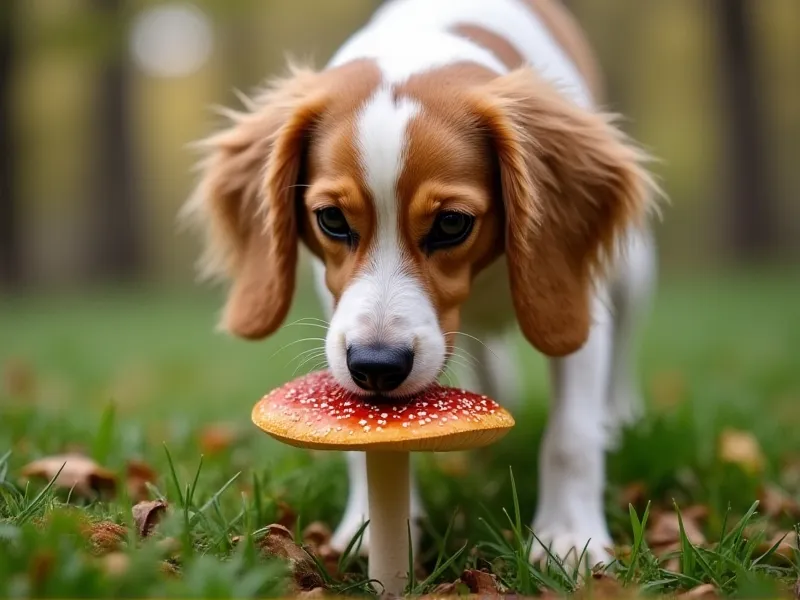
Table of Contents
- Can Dogs Eat Turkey Tail Mushrooms? The Short Answer
- What Are Turkey Tail Mushrooms, Anyway?
- Potential Benefits of Turkey Tail Mushrooms for Dogs
- Beta-Glucans: A Boost for the Immune System
- Antioxidants: Fighting Free Radicals
- Fiber: Supporting Digestive Health
- Potassium: Balancing Electrolytes
- Potential Risks of Turkey Tail Mushrooms for Dogs
- Raw Turkey Tail: A Recipe for Stomach Upset
- Choking Hazards: Size and Texture Matter
- Supplements with Hidden Dangers (Sugar, Additives)
- The Scariest Risk: Toxic Lookalikes
- How Much Turkey Tail Mushroom Can Dogs Eat? (If Any)
- Healthier Alternatives to Turkey Tail Mushrooms
- Frequently Asked Questions (FAQ)
- Conclusion: Proceed with Caution, and Always Ask Your Vet
- References
Can Dogs Eat Turkey Tail Mushrooms? The Short Answer
Yes, dogs can technically eat turkey tail mushrooms—but with major caveats. Unlike some wild mushrooms (like the deadly Amanita), turkey tail mushrooms (Trametes versicolor) are not considered toxic to dogs. However, that doesn’t mean they’re a “safe” snack by default. Risks include digestive upset from raw mushrooms, choking hazards, additives in supplements, and the danger of confusing them with toxic lookalikes.
In short: Turkey tail mushrooms aren’t poisonous, but they require careful preparation, moderation, and—most importantly—vet approval before sharing with your pup.
What Are Turkey Tail Mushrooms, Anyway?
Before we dive into safety, let’s get to know these fungi. Turkey tail mushrooms are one of the most recognizable mushrooms in the world, thanks to their striking appearance: fan-shaped caps with concentric rings of brown, tan, red, and white, resembling the plumage of a wild turkey’s tail. Scientifically named Trametes versicolor, they’re saprotrophic, meaning they grow on dead or decaying wood (think fallen logs, stumps) in forests worldwide.
Humans have used turkey tail mushrooms for centuries in traditional medicine, particularly in East Asia, where they’re known as yun zhi. Today, they’re a popular supplement, lauded for their potential immune-boosting properties—thanks to compounds like beta-glucans, antioxidants, and polysaccharides. But what does this mean for our four-legged friends?
Potential Benefits of Turkey Tail Mushrooms for Dogs
While research on turkey tail mushrooms specifically for dogs is limited (most studies focus on humans or lab animals), their nutrient profile suggests potential benefits—when prepared and fed correctly. Here’s what pet parents should know:
1. Beta-Glucans: A Boost for the Immune System
Turkey tail mushrooms are rich in beta-glucans, a type of soluble fiber found in the cell walls of fungi (and some grains). In humans, beta-glucans are thought to “train” the immune system, helping it recognize and fight off pathogens like bacteria and viruses.
For dogs, preliminary research suggests beta-glucans may offer similar support. A 2018 study in Veterinary Immunology and Immunopathology found that beta-glucans from mushrooms could enhance immune function in dogs with chronic inflammation. However, this study used purified beta-glucans, not whole mushrooms, so results can’t be directly applied to feeding your dog raw or cooked turkey tail.
2. Antioxidants: Fighting Free Radicals
Turkey tail mushrooms are packed with antioxidants, including phenols, flavonoids, and polysaccharopeptides (PSP). Antioxidants help neutralize free radicals—unstable molecules that damage cells and contribute to aging, inflammation, and disease.
In dogs, antioxidants are crucial for overall health, especially for senior pups or those with chronic conditions. While fruits and veggies like blueberries and spinach are better-known sources, turkey tail mushrooms could theoretically offer an extra antioxidant boost.
3. Fiber: Supporting Digestive Health
Like many mushrooms, turkey tail is high in dietary fiber. Fiber helps regulate digestion by promoting healthy gut bacteria, preventing constipation, and supporting a feeling of fullness. For dogs with mild digestive issues (like occasional constipation), a small amount of cooked, chopped turkey tail might help—but only under veterinary guidance.
4. Potassium: Balancing Electrolytes
Turkey tail mushrooms contain potassium, an essential mineral that helps regulate heart rate, muscle function, and fluid balance in dogs. Potassium deficiencies can lead to weakness, fatigue, and even heart issues, so getting enough is key. However, dogs typically get plenty of potassium from their regular diet (e.g., meat, sweet potatoes), so turkey tail is unlikely to be a necessary source.
The Bottom Line on Benefits: Turkey tail mushrooms might offer immune, antioxidant, and digestive perks for dogs, but these benefits are mostly theoretical. There’s not enough research to confirm they’re effective or safe as a regular supplement for pups. Always talk to your vet before adding turkey tail to your dog’s diet.
Potential Risks of Turkey Tail Mushrooms for Dogs
While not toxic, turkey tail mushrooms come with real risks—some of which can be serious. Here’s what to watch out for:
1. Raw Turkey Tail: A Recipe for Stomach Upset
Raw turkey tail mushrooms have tough, indigestible cell walls. When eaten raw, they can irritate your dog’s stomach lining, leading to vomiting, diarrhea, gas, or bloating. Puppies, senior dogs, and those with sensitive stomachs (e.g., IBS, food allergies) are especially at risk.
2. Choking Hazard: Size and Texture Matter
Turkey tail mushrooms have a leathery texture, even when cooked. If fed in large, unchopped pieces, they could pose a choking risk—especially for small dogs or pups who gulp their food. Always chop mushrooms into tiny, bite-sized pieces before offering them to your dog.
3. Supplements with Hidden Dangers (Sugar, Additives)
Most people encounter turkey tail mushrooms in supplement form (powders, capsules, or tinctures). These supplements often contain added ingredients to improve taste or texture—like sugar, artificial flavors, or preservatives.
Sugar isn’t toxic to dogs, but too much can lead to obesity, dental issues, or diabetes. Worse, some supplements may contain xylitol—a sugar substitute that’s highly toxic to dogs (even small amounts can cause liver failure). Always check the label of turkey tail supplements for xylitol, and avoid any product with added sugars or unknown ingredients.
4. The Scariest Risk: Toxic Lookalikes
The biggest danger of turkey tail mushrooms isn’t the mushrooms themselves—it’s mistaking them for toxic species. Turkey tail grows on dead wood, and so do several deadly mushrooms, including:
- Galerina marginata (the “deadly galerina”), which contains the same toxins as the death cap mushroom and can cause liver failure.
- Coriolus hirsutus, a mushroom that looks similar to turkey tail but may cause digestive upset.
Even experienced foragers can struggle to tell turkey tail apart from lookalikes. The rule of thumb? Never let your dog eat any wild mushroom, even if you think it’s turkey tail. Stick to store-bought, organic turkey tail mushrooms if you’re considering feeding them to your pup—and always wash them thoroughly to remove dirt or pesticides.
The Bottom Line on Risks: The biggest risks are raw consumption (stomach upset), choking, additive-laden supplements, and toxic lookalikes. These can all be avoided with careful preparation and vet guidance—but they’re not worth ignoring.
How Much Turkey Tail Mushroom Can Dogs Eat? (If Any)
If your vet gives the green light to feed turkey tail mushrooms, follow these guidelines to keep your pup safe:
1. Always Cook Them
Raw turkey tail is a no-go. Cook mushrooms thoroughly (steam, boil, or bake—no oil, salt, or seasonings) to break down tough cell walls and make them easier to digest.
2. Chop Into Tiny Pieces
Cut cooked turkey tail into small, bite-sized pieces to reduce choking risk. Aim for pieces no larger than a pea for small dogs, and dime-sized for large breeds.
3. Start Small and Monitor
Begin with a tiny amount: 1–2 teaspoons for small dogs (under 20 lbs), 1–2 tablespoons for large dogs (over 60 lbs). Wait 24–48 hours to watch for signs of upset (vomiting, diarrhea, lethargy). If all goes well, you can occasionally offer a small serving as a treat.
4. Avoid Supplements Unless Vet-Approved
Never give your dog turkey tail supplements (powders, capsules) without first consulting your vet. Many contain additives, and dosages designed for humans can be too high for dogs. Your vet can recommend a pet-safe supplement (if needed) and adjust the dose based on your dog’s weight, age, and health.
Key Takeaway: Turkey tail should be an occasional, tiny treat—not a regular part of your dog’s diet. When in doubt, skip it and opt for safer snacks.
Healthier Alternatives to Turkey Tail Mushrooms
If you’re looking to boost your dog’s immune system, digestion, or antioxidant intake, there are safer, more studied alternatives to turkey tail mushrooms. Here are our top picks:
Safe, Vet-Approved Mushrooms
Some mushrooms are better-tolerated by dogs than turkey tail. These include:
- White button mushrooms: Low in calories, high in fiber, and safe when cooked (no seasonings).
- Shiitake mushrooms: Rich in umami flavor and beta-glucans (cook thoroughly and remove tough stems).
- Oyster mushrooms: Soft texture, easy to digest when cooked, and a good source of protein.
Immune-Boosting Foods
- Blueberries: Packed with antioxidants (like anthocyanins) and low in sugar.
- Pumpkin puree: High in fiber and beta-carotene (supports eye health and digestion).
- Carrots: Crunchy, low-calorie, and full of vitamin A (boosts immunity and skin health).
Digestive Support Foods
- Plain yogurt/kefir: Probiotics help balance gut bacteria (choose unsweetened, no xylitol).
- Canned pumpkin (unsweetened): Fiber eases constipation and diarrhea.
- Bone broth: Soothes the gut and provides minerals (make sure it’s low-sodium and free of onions/garlic).
These alternatives are widely available, well-researched, and less likely to cause digestive upset or confusion with toxic lookalikes.
Frequently Asked Questions (FAQ)
Q: Are turkey tail mushrooms toxic to dogs?
A: No, turkey tail mushrooms (Trametes versicolor) are not considered toxic to dogs. However, they can cause digestive upset if eaten raw, and supplements may contain harmful additives.
Q: Can puppies eat turkey tail mushrooms?
A: It’s best to avoid feeding turkey tail to puppies. Puppies have sensitive digestive systems, and raw or improperly prepared mushrooms could cause vomiting or diarrhea. Stick to puppy-safe treats like cooked carrots or plain yogurt.
Q: My dog ate a wild turkey tail mushroom—should I panic?
A: Don’t panic, but monitor them closely. If the mushroom was raw, watch for vomiting, diarrhea, or lethargy over the next 24 hours. If you’re unsure if it was actually turkey tail (and not a toxic lookalike), contact your vet or the Pet Poison Helpline immediately.
Q: Are turkey tail mushroom supplements safe for dogs with cancer?
A: Some holistic vets recommend turkey tail supplements for dogs with cancer, as beta-glucans may support immune function during treatment. However, this is not a substitute for conventional cancer care. Always work with your vet to integrate supplements safely.
Q: How do I tell if a wild mushroom is turkey tail?
A: Turkey tail has a few key features: fan-shaped caps with colorful, concentric rings; a white, porous underside (no gills); and grows in overlapping clusters on dead wood. But even experts can misidentify mushrooms—never let your dog eat wild mushrooms.
Conclusion: Proceed with Caution, and Always Ask Your Vet
Turkey tail mushrooms aren’t toxic to dogs, but they’re far from a “must-have” snack. While they may offer theoretical benefits (immune support, fiber), the risks—digestive upset, choking, toxic lookalikes, and additive-laden supplements—often outweigh the rewards.
If you’re curious about adding turkey tail to your dog’s diet, start with a conversation with your vet. They can help you weigh the pros and cons, recommend safe preparation methods, or suggest better alternatives. And remember: When it comes to wild mushrooms, the safest rule is to keep your pup far, far away.
Your dog’s health is worth the extra caution. Stick to proven, vet-approved treats, and save the turkey tail for your own wellness routine.
References
- American Society for the Prevention of Cruelty to Animals (ASPCA). (n.d.). Toxic and Non-Toxic Plants. aspca.org/pet-care/animal-poison-control/toxic-and-non-toxic-plants
- Pet Poison Helpline. (n.d.). Mushroom Toxicity in Pets. petpoisonhelpline.com/poison/mushrooms/
- VCA Hospitals. (n.d.). Mushroom Poisoning in Dogs. vcahospitals.com/know-your-pet/mushroom-poisoning-in-dogs
- Zhang, Y., et al. (2018). “Beta-Glucan as a Functional Feed Additive: A Review of Its Effects on Gut Microbiota, Metabolism, and Immune Response.” Veterinary Immunology and Immunopathology, 204, 38–46.
- McKenney, E. (2020). “Mushrooms for Dogs: Are They Safe?” Whole Dog Journal. wholedogjournal.com/nutrition/mushrooms-for-dogs/