· 8 min read
Can Dogs Eat Turkey Sausage? A Pet Parent’s Guide to Risks, Benefits & Safer Alternatives
It’s 8 a.m. on a lazy Sunday, and the smell of breakfast is filling the kitchen. You’re flipping turkey sausage links in a pan, and out trots your dog—tail thumping, nose twitching, those big “please share” eyes locked on your plate. You pause, fork hovering. Turkey is supposed to be good for dogs, right? It’s lean, protein-packed, and a common ingredient in high-quality dog food. But sausage? It’s processed, spiced, and… well, is it really safe to slip them a bite?
If you’ve ever found yourself asking, “Can dogs eat turkey sausage?” you’re not alone. Pet parents everywhere want to treat their pups, but navigating human food can feel like tiptoeing through a minefield of “yes,” “no,” and “maybe.” Today, we’re breaking down the facts: the potential benefits (spoiler: they’re slim), the very real risks, and what to do if your dog begs for a taste. Let’s dive in.
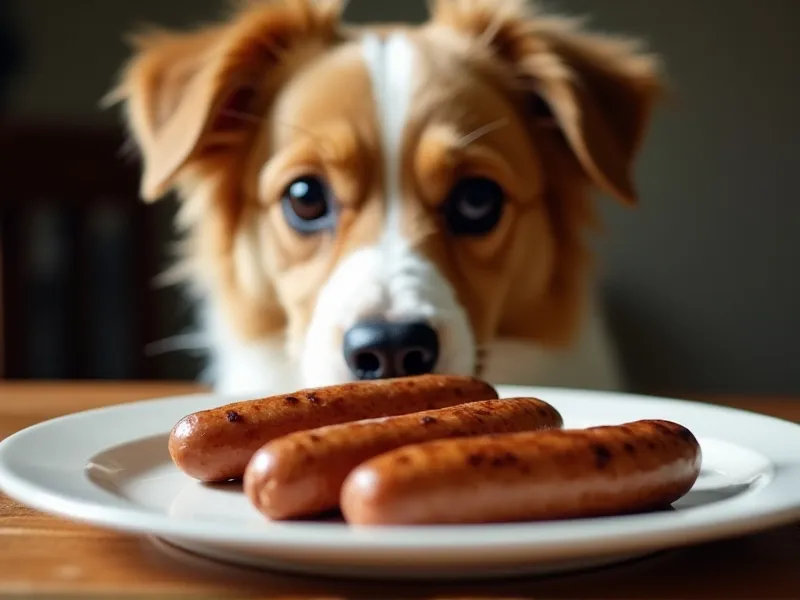
Table of Contents
- So, Can Dogs Eat Turkey Sausage? The Short Answer
- The “Benefits” of Turkey Sausage for Dogs: Let’s Be Honest
- The Risks: Why Turkey Sausage Is a Bad Idea for Most Dogs
- If You Must Share: Guidelines for Minimal Risk
- Healthier Alternatives to Turkey Sausage
- FAQ: Your Turkey Sausage Questions Answered
- Conclusion: Prioritize Your Pup’s Health
So, Can Dogs Eat Turkey Sausage? The Short Answer
No, turkey sausage is not recommended for dogs.
While plain, unseasoned turkey is a safe, protein-rich treat for dogs, turkey sausage is a processed version of that meat—loaded with additives, salt, spices, and preservatives that make it risky for your pup. Even “low-fat” or “all-natural” store-bought turkey sausage is rarely a good choice. The potential dangers (like sodium toxicity, pancreatitis, or choking) far outweigh any minimal nutritional benefits.
In short: Save the sausage for your breakfast plate, and opt for dog-safe alternatives instead.
The “Benefits” of Turkey Sausage for Dogs: Let’s Be Honest
It’s natural to want to find a silver lining—after all, turkey is often marketed as a “healthy” meat. But when it comes to turkey sausage, the “benefits” are few and far between. Here’s what you might get (and why it’s not worth it):
-
Lean Protein (Theoretical): Turkey itself is a lean protein source, which dogs need for muscle health. However, processed sausage often includes added fat, fillers, or byproducts, diluting the protein’s quality. By the time it’s ground, seasoned, and packed into a casing, most of the nutritional value of the original turkey is lost.
-
Convenience (For Humans): It’s easy to grab a sausage from the fridge and share a bite. But convenience shouldn’t come at the cost of your dog’s health!
The Risks: Why Turkey Sausage Is a Bad Idea for Most Dogs
Now, let’s get real about the risks. Turkey sausage is a processed meat, and processed foods are rarely safe for dogs (or humans, for that matter). Here’s what makes it dangerous:
Processed Additives: Sodium, Nitrates, and Preservatives
Store-bought turkey sausage is loaded with salt to enhance flavor and extend shelf life. A single link can contain 300–500 mg of sodium—way more than a small dog should consume in a day (the recommended sodium intake for dogs is 100 mg per 10 pounds of body weight daily). Excess sodium can lead to:
- Dehydration
- Electrolyte imbalances
- High blood pressure
- Sodium ion poisoning (symptoms: vomiting, diarrhea, seizures, even death in severe cases).
Many sausages also contain nitrates or nitrites—preservatives linked to cancer in humans and potentially harmful to dogs, too, according to the American Veterinary Medical Association (AVMA).
Hidden Sugars and Spices
Some turkey sausages include added sugar (to balance saltiness) or high-fructose corn syrup. Dogs have no nutritional need for sugar, and excess can lead to obesity, dental issues, or even diabetes.
Spices are another red flag. “Maple” or “apple” turkey sausage might sound harmless, but they often contain cinnamon (safe in small amounts but irritating in large doses) or, worse, garlic or onion powder—both toxic to dogs. Even a tiny amount of onion or garlic can damage a dog’s red blood cells, leading to anemia, per the ASPCA Poison Control.
Toxic Ingredients: Garlic, Onion, and More
Many sausage recipes (even “plain” ones) include garlic or onion as flavorings. These are never safe for dogs. According to VCA Animal Hospitals, garlic is five times more toxic than onion, and even a small sprinkle can cause vomiting, weakness, or pale gums in sensitive dogs.
Choking Hazards and Digestive Upset
Turkey sausage casings (natural or synthetic) are tough and indigestible. They can get stuck in your dog’s throat, causing choking, or block their intestines (a life-threatening emergency requiring surgery).
Even without the casing, the sausage itself is rich and processed. Dogs’ digestive systems aren’t built to handle processed meats, which can lead to:
- Upset stomach (vomiting, diarrhea)
- Gas or bloating
- Constipation (from preservatives).
Pancreatitis Risk: A Serious Concern
Turkey sausage is often higher in fat than you think. Even “lean” varieties can contain 10–15 grams of fat per link. Fatty foods trigger the pancreas to release enzymes, and too much can cause pancreatitis—inflammation of the pancreas that’s extremely painful and potentially fatal. Symptoms include severe abdominal pain, vomiting, and lethargy. The ASPCA warns that fatty treats are a top cause of pancreatitis in dogs.
If You Must Share: Guidelines for Minimal Risk
Let’s say you’re making homemade turkey sausage with only ground turkey, a pinch of salt, and no spices or casing. Is that safe? Maybe in tiny amounts. But store-bought sausage? Still a no-go.
If you absolutely can’t resist your pup’s puppy eyes (we’ve all been there), follow these rules:
- Size Matters: A tiny piece (no bigger than your thumbnail) for small dogs; a pea-sized piece for toy breeds. No more than once a month.
- No Additives: Choose “plain” turkey sausage with no garlic, onion, sugar, or spices. Check the label—if ingredients include anything besides turkey and salt, skip it.
- Remove the Casing: Peel off the casing entirely to avoid choking or blockages.
- Cook Thoroughly: Raw or undercooked sausage can contain bacteria like salmonella, which is dangerous for dogs (and humans!).
- Monitor Closely: Watch for 24 hours after sharing. If your dog vomits, has diarrhea, or acts lethargic, call your vet.
Healthier Alternatives to Turkey Sausage
Instead of risking it with sausage, treat your dog to these safe, nutritious options:
1. Plain Cooked Turkey
Skip the sausage and opt for unseasoned, boneless, skinless turkey breast. Bake or boil it, then chop into bite-sized pieces. It’s lean, protein-rich, and dogs love it!
2. Dog-Safe Turkey Jerky
Look for commercial turkey jerky made for dogs (avoid human jerky, which has salt and spices). Brands like Zuke’s or Blue Buffalo make great options.
3. Fresh Veggies
Carrots, green beans, or sweet potato slices (steamed or roasted) are low-calorie, high-fiber treats. Most dogs go crazy for crunchy carrots!
4. Commercial Dog Treats
Stick to treats formulated for dogs—they’re balanced for their needs. Look for options with limited ingredients (e.g., “turkey and sweet potato” treats).
FAQ: Your Turkey Sausage Questions Answered
Q: My dog ate a whole turkey sausage link! What should I do?
A: Stay calm, but call your vet immediately. A full link has enough sodium and fat to cause pancreatitis or sodium poisoning, especially in small dogs. Bring the sausage package (to share ingredients) and note your dog’s weight and symptoms.
Q: Can dogs eat the casing from turkey sausage?
A: No! Casings are indigestible and pose a choking or intestinal blockage risk. If your dog swallows a casing, watch for vomiting, loss of appetite, or lethargy—signs of a blockage.
Q: Is turkey sausage better than pork sausage for dogs?
A: Turkey sausage is less fatty than pork, but it’s still processed. The risks (sodium, additives, spices) are the same. Neither is recommended.
Q: Can puppies eat turkey sausage?
A: Puppies have sensitive stomachs and developing organs—definitely not. Stick to puppy-safe treats like plain cooked turkey or commercial puppy treats.
Conclusion: Prioritize Your Pup’s Health
At the end of the day, sharing food with your dog is about love—but love means keeping them safe. Turkey sausage might seem like a harmless splurge, but its processed nature and hidden dangers make it a risk not worth taking.
Instead, reach for plain turkey, fresh veggies, or dog-specific treats. Your pup will wag just as hard for a roasted turkey bite as they would for sausage—and you’ll avoid a trip to the vet.
When in doubt, always consult your vet before introducing new foods. They know your dog’s health history and can guide you toward the best, safest treats.
Here’s to many happy, healthy snack times ahead—for both you and your favorite fur baby!
References:
- American Veterinary Medical Association (AVMA). “Processed Meats and Pets.” avma.org
- ASPCA Poison Control. “Onions, Garlic, Chives, and Leeks.” aspca.org
- VCA Animal Hospitals. “Pancreatitis in Dogs.” vcahospitals.com
- PetMD. “Sodium Poisoning in Dogs.” petmd.com