· 8 min read
Can Dogs Eat Turkey Sandwich Meat? A Pet Parent’s Guide to Safe Snacking
Picture this: You’re halfway through a turkey sandwich, savoring the tang of mustard and the crunch of lettuce, when you feel a wet nose nudge your hand. Looking down, you meet your dog’s soulful eyes—those same eyes that could convince you to share your last french fry. “Just a tiny bite won’t hurt, right?” you think. After all, turkey is often hailed as a “safe” protein for dogs. But here’s the catch: The turkey in your sandwich is deli meat—processed, packaged, and packed with additives you might not even realize are there.
So, can dogs eat turkey sandwich meat? The short answer is… it’s complicated. While a tiny nibble might not send your pup to the vet, regular or large servings could pose hidden risks. In this guide, we’ll break down the facts: the potential benefits (yes, there are a few!), the real dangers of processed deli meat, how much (if any) is safe, and healthier alternatives to keep your dog happy and healthy. Let’s dive in.
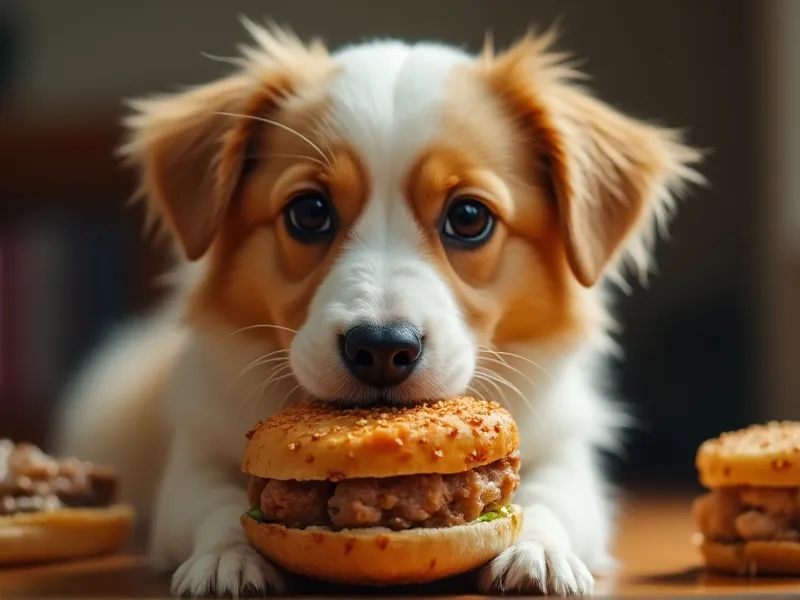
Table of Contents
- Can Dogs Eat Turkey Sandwich Meat? The Short Answer
- Potential Benefits of Turkey for Dogs (Fresh vs. Processed)
- Risks of Turkey Sandwich Meat: Why Deli Meat Isn’t Ideal
- How Much Turkey Sandwich Meat Is Safe to Feed? (If Any)
- Healthier Alternatives to Turkey Sandwich Meat
- FAQ: Your Turkey Sandwich Meat Questions Answered
- Conclusion: Prioritize Fresh, Not Processed
- References
Can Dogs Eat Turkey Sandwich Meat? The Short Answer
Yes, but only in extremely small, occasional amounts—and with major caveats.
Turkey itself is a lean, protein-rich food that’s often recommended for dogs (think: plain, cooked turkey breast as a treat or part of a bland diet for an upset stomach). However, turkey sandwich meat (also called deli meat, lunch meat, or cold cuts) is a far cry from fresh turkey. It’s processed with salt, sugar, preservatives, and other additives that can harm dogs, even in small doses.
In short: A tiny sliver of unseasoned, low-sodium deli turkey might not hurt your healthy dog, but it’s never a “good” choice. Fresh, unprocessed turkey is always safer and more nutritious.
Potential Benefits of Turkey for Dogs (Fresh vs. Processed)
Before we dive into the risks, let’s clarify: The benefits of turkey apply to fresh, plain, cooked turkey—not the processed stuff in your sandwich. Here’s why fresh turkey is a star:
Nutritional Perks of Fresh Turkey:
- High-Quality Protein: Turkey is packed with protein, which supports muscle growth, repair, and a shiny coat. It’s also a great alternative for dogs with chicken allergies.
- B Vitamins: Thiamine (B1), riboflavin (B2), and niacin (B3) help convert food into energy and keep your dog’s nervous system healthy.
- Minerals: Turkey contains potassium (regulates blood pressure and heart health), selenium (supports immune function), and zinc (aids skin and coat health).
- Low Fat: Lean cuts (like breast) are low in saturated fat, making them a good treat for overweight dogs (in moderation).
What About Processed Turkey Sandwich Meat?
Unfortunately, most of these benefits get “diluted” or canceled out by processing. Deli meat often has added salt, sugar, and preservatives, which can overshadow the natural nutrients. For example:
- A 2-ounce serving of fresh turkey breast has ~60mg of sodium. The same amount of deli turkey? Up to 600mg (or more!).
- Some brands add sugar for flavor, turning a “healthy” protein into a sugary snack your dog doesn’t need.
So, while fresh turkey is a nutritional win, deli meat is more like a “nutritional wash” with extra risks.
Risks of Turkey Sandwich Meat for Dogs
Now, let’s talk about why turkey sandwich meat is often more trouble than it’s worth. These risks are especially concerning if your dog eats deli meat regularly or in large amounts:
1. High Sodium Content: A Hidden Danger
Dogs need only a tiny amount of sodium (about 100mg per 1000 calories of food). Most deli meats are loaded with salt to enhance flavor and extend shelf life. For example:
- A single slice of regular deli turkey can have 300–500mg of sodium.
- A small dog (e.g., a 10-pound Chihuahua) would hit their daily sodium limit with just 1–2 slices.
Too much sodium can cause:
- Dehydration (excessive thirst/urination).
- Sodium ion poisoning (symptoms: vomiting, diarrhea, tremors, seizures, even death in severe cases).
- Long-term issues: High blood pressure, kidney damage, or heart disease, especially in senior dogs or those with pre-existing conditions.
2. Added Sugars: Unnecessary and Unhealthy
Many deli meats (especially honey-glazed, maple, or “hickory-smoked” varieties) contain added sugars or high-fructose corn syrup. Dogs don’t need sugar in their diet, and excess sugar can lead to:
- Obesity (a leading cause of diabetes, joint pain, and heart disease in dogs).
- Dental issues (cavities, gum disease).
- Upset stomach (sugar can disrupt gut bacteria, causing diarrhea).
3. Preservatives: Nitrates and Nitrites
To keep deli meat “fresh” for weeks, manufacturers often add preservatives like sodium nitrate or nitrite. While the FDA considers these safe for humans in small amounts, their impact on dogs is less studied—and concerning.
Studies in animals have linked nitrites to:
- An increased risk of certain cancers (when converted to nitrosamines in the body).
- Methemoglobinemia (a condition where blood can’t carry oxygen properly, leading to lethargy or blue gums).
“Uncured” or “no nitrates added” deli meats aren’t always safer—they may use celery powder, which is naturally high in nitrates.
4. Artificial Additives: Flavors, Colors, and Fillers
Deli meats often contain artificial flavors, colors (like Red 40 or Yellow 5), or fillers (soy, wheat, or corn). These can trigger:
- Allergic reactions (itching, hives, ear infections).
- Stomach upset (vomiting, diarrhea) in sensitive dogs.
5. Choking Hazard
Thin, slippery slices of deli meat can get stuck in your dog’s throat, especially if they gulp their food. Small dogs are at higher risk, but even large breeds can choke if they don’t chew properly.
How Much Turkey Sandwich Meat Is Safe to Feed? (If Any)
If you must share a tiny bite (we get it—those puppy eyes are powerful!), follow these strict guidelines:
General Rules:
- Size Matters: A Chihuahua can handle 1–2 very small pieces (think: the size of a pea). A Great Dane might manage a sliver the size of a dime.
- Frequency: Once a month at most. Regular feeding increases the risk of sodium buildup or preservative exposure.
- Check the Label: Avoid any deli meat with added sugar, nitrates, or artificial ingredients. Opt for “low-sodium” varieties (but remember, they still have preservatives!).
- No Extras: Skip the sandwich fixings! Mayo (high fat), mustard (vinegar can irritate tummies), onions, or garlic (toxic to dogs) make it even more dangerous.
When to Avoid Altogether:
Never feed deli meat to dogs with:
- Kidney disease (can’t process excess sodium).
- Heart conditions (salt raises blood pressure).
- Diabetes (sugar spikes blood glucose).
- Food allergies (additives/fillers can trigger reactions).
Healthier Alternatives to Turkey Sandwich Meat
Instead of risky deli meat, treat your dog to these safer, more nutritious options:
1. Fresh, Cooked Turkey Breast
The gold standard! Boil or bake plain turkey breast (no salt, pepper, or seasonings). Let it cool, then dice into small pieces. Store leftovers in the fridge for 3–4 days, or freeze for up to 3 months.
Pro Tip: Use cooked turkey as a topper for kibble, or mix with plain rice for a bland diet if your dog has an upset stomach.
2. Turkey Jerky (Homemade)
Skip store-bought jerky (often high in salt). Make your own by slicing turkey breast thin, baking at 200°F for 2–3 hours until dry. No additives, just pure protein!
3. Canned Turkey (Unsalted)
Look for plain, canned turkey (in water, not oil or broth). It’s convenient and low in sodium—just check the label for added ingredients.
4. Turkey Liver (Cooked)
Liver is nutrient-dense (iron, vitamin A, zinc) but high in fat, so serve sparingly (1 teaspoon per 10 lbs of body weight, once a week).
FAQ: Your Turkey Sandwich Meat Questions Answered
Q: Can dogs eat turkey lunch meat with cheese?
A: No. Cheese is high in fat and lactose (many dogs are lactose intolerant), which can cause diarrhea or pancreatitis. Skip the combo!
Q: Is “organic” or “natural” turkey deli meat safer?
A: Not necessarily. “Organic” means no synthetic pesticides, but it can still have added salt, sugar, or natural preservatives (like celery powder, which has nitrates). Always read the full ingredient list.
Q: My dog ate a whole slice of deli turkey! Should I panic?
A: Probably not, but monitor them closely. Watch for signs of sodium overload: excessive thirst, vomiting, or restlessness. If symptoms appear, call your vet. For small dogs or those with health issues, contact your vet immediately.
Q: Can dogs eat turkey salami or pepperoni?
A: No! These are high in fat, salt, and spices (like garlic or paprika) that can irritate your dog’s stomach. Some even contain alcohol (in curing) or nitrates.
Q: What if my dog is allergic to chicken—can they have turkey deli meat?
A: Turkey is a common alternative for chicken-allergic dogs, but deli meat’s additives (soy, wheat) might still trigger allergies. Stick to fresh, plain turkey instead.
Conclusion: Prioritize Fresh, Not Processed
At the end of the day, turkey sandwich meat is a human food that’s best kept off your dog’s plate. While a tiny, occasional bite might not harm a healthy dog, the risks (sodium, preservatives, sugar) far outweigh any minimal benefits.
Instead, opt for fresh, cooked turkey breast—a treat that’s packed with protein, vitamins, and love (without the additives). And when in doubt, always check with your vet before sharing human food, especially if your dog has health issues.
Your dog deserves the best—and “best” rarely comes from a deli meat package. Now go hug your pup, and maybe share a fresh turkey nibble instead.
References
- American Society for the Prevention of Cruelty to Animals (ASPCA). “People Foods to Avoid Feeding Your Pets.” aspca.org/pet-care/animal-poison-control/people-foods-avoid-feeding-your-pets
- American Veterinary Medical Association (AVMA). “Human Foods: Which Are Safe for Pets?” avma.org/resources/pet-owners/nutrition/human-foods-which-are-safe-pets
- VCA Hospitals. “Dietary Guidelines for Dogs.” vcahospitals.com/know-your-pet/dietary-guidelines-for-dogs
- PetMD. “Can Dogs Eat Turkey?” petmd.com/dog/nutrition/can-dogs-eat-turkey