· 9 min read
Can Dogs Eat Turkey Pepperoni? A Pet Parent’s Guide to This Salty Snack
It’s Friday night, and you’re settling in with a slice of pizza—extra turkey pepperoni, of course. As you take a bite, you feel a wet nose nudge your hand. You look down to find your dog, tail wagging, tongue lolling, and those irresistible puppy eyes boring into you. “Just one tiny piece?” you think. “It’s turkey, right? Turkey is good for dogs!” But before you toss them a morsel, you pause. Is turkey pepperoni really safe for your furry friend? Or is this salty, spicy topping more trouble than it’s worth?
If you’ve ever asked, “Can dogs eat turkey pepperoni?” you’re not alone. Pet parents often wonder if human snacks are safe to share, especially when they seem “healthier” than other options (looking at you, pork pepperoni). Let’s dive into the facts: what’s in turkey pepperoni, how it affects dogs, and whether this snack deserves a spot in your pup’s treat jar.
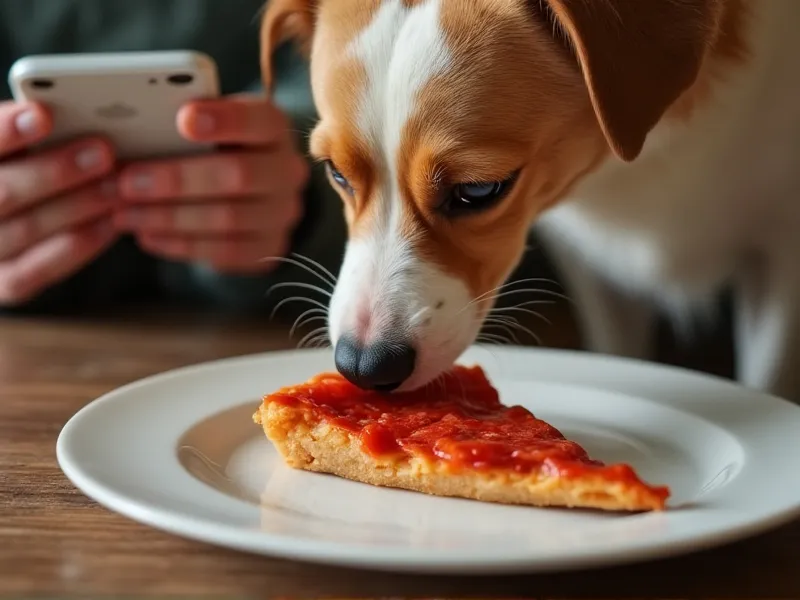
Table of Contents
- Can Dogs Eat Turkey Pepperoni? The Short Answer
- The “Benefits” of Turkey (But Not Pepperoni)
- The Hidden Risks of Turkey Pepperoni for Dogs
- Sodium Overload: A Serious Threat
- Sugary Surprises: Empty Calories and More
- Preservatives: Nitrates, Nitrites, and Why They Matter
- Spices and Additives: Garlic, Onion, and Other Red Flags
- Choking Hazard: Small, Hard Pieces
- How Much Turkey Pepperoni Is “Safe” for Dogs? (Hint: Almost None)
- Healthier Alternatives to Turkey Pepperoni
- FAQ: Your Top Turkey Pepperoni Questions Answered
- Conclusion: Prioritizing Your Dog’s Health Over the “Cute Factor”
Can Dogs Eat Turkey Pepperoni? The Short Answer
Let’s cut to the chase: Turkey pepperoni is not toxic to dogs, but it’s far from a healthy choice.
Here’s why: Plain, unseasoned turkey is a fantastic protein source for dogs—lean, nutrient-dense, and easy to digest. But turkey pepperoni? It’s a processed meat product, loaded with salt, sugar, preservatives, and spices. These additives turn a potentially healthy ingredient (turkey) into a snack that can harm your dog, especially if fed regularly or in large amounts.
Think of it this way: Turkey pepperoni is to dogs what potato chips are to humans—tasty, but not something you’d want to make a regular part of their diet.
The “Benefits” of Turkey (But Not Pepperoni)
Before we dive into the risks, let’s clarify: The turkey in turkey pepperoni isn’t the problem. In fact, plain, cooked turkey is a staple in many high-quality dog foods and is often recommended by vets as a bland meal for dogs with upset stomachs. Here’s why turkey itself is great for dogs:
- Lean Protein: Turkey is rich in protein, which supports muscle growth, repair, and overall energy levels.
- Vitamins & Minerals: It contains B vitamins (B6, B12, niacin), which aid in brain function and energy metabolism, plus selenium (supports immune health) and zinc (healthy skin and coat).
- Low in Fat: Compared to red meats like beef or pork, turkey is lower in saturated fat, making it a good choice for dogs watching their weight.
But—and this is a big “but”—these benefits only apply to plain, unseasoned, cooked turkey. Once you process turkey into pepperoni, you lose these perks and gain a laundry list of unhealthy additives. So, while the turkey could be beneficial, the pepperoni part ruins it.
The Hidden Risks of Turkey Pepperoni for Dogs
Now, let’s unpack why turkey pepperoni is a poor choice for your pup. From sky-high sodium to sneaky spices, here’s what makes this snack risky:
Sodium Overload: A Serious Threat
One of the biggest dangers of turkey pepperoni is its extremely high sodium content. Most pepperoni brands pack 300–400 mg of sodium into a single slice (about 1 ounce). To put that in perspective:
- A small dog (e.g., a 10-pound Chihuahua) should consume no more than 100 mg of sodium per day.
- A medium dog (e.g., a 30-pound Beagle) should have no more than 200–300 mg daily.
- A large dog (e.g., a 60-pound Labrador) can handle up to 400–500 mg per day.
A single slice of turkey pepperoni could exceed a small dog’s entire daily sodium limit!
What happens if your dog eats too much sodium? Salt toxicity (also called hypernatremia) can occur, leading to symptoms like:
- Vomiting and diarrhea
- Excessive thirst and urination
- Lethargy or restlessness
- Tremors or seizures
- In severe cases, brain swelling or even death
Even small, repeated amounts of sodium can add up over time, increasing your dog’s risk of high blood pressure, kidney disease, or heart problems.
Sugary Surprises: Empty Calories and More
Many turkey pepperoni brands add sugar (or high-fructose corn syrup) to enhance flavor. While a gram or two might not seem like much, sugar offers zero nutritional value for dogs and can lead to:
- Obesity: Extra calories from sugar quickly add up, especially in small breeds.
- Dental Issues: Sugar feeds harmful bacteria in your dog’s mouth, increasing the risk of cavities and gum disease.
- Pancreatitis: A sudden influx of sugar (or fat) can trigger pancreatitis, a painful inflammation of the pancreas that requires immediate veterinary care.
Preservatives: Nitrates, Nitrites, and Why They Matter
To extend shelf life, most pepperoni (including turkey varieties) contains preservatives like sodium nitrate or sodium nitrite. While these chemicals prevent bacterial growth (like botulism), they’re controversial for both humans and dogs.
Studies in animals have linked high nitrate/nitrite intake to an increased risk of certain cancers, especially when combined with high heat (like cooking pepperoni on a pizza). For dogs, whose bodies are smaller and more sensitive to toxins, even small amounts of these preservatives could pose long-term health risks.
Spices and Additives: Garlic, Onion, and Other Red Flags
Many turkey pepperoni recipes include spices like garlic powder or onion powder to boost flavor. Both garlic and onions are toxic to dogs, even in small amounts. They contain compounds that damage red blood cells, leading to hemolytic anemia (symptoms include weakness, pale gums, and lethargy).
Other common additives in pepperoni, like paprika, chili powder, or artificial flavors, can also irritate your dog’s digestive system, causing vomiting, diarrhea, or stomach pain.
Choking Hazard: Small, Hard Pieces
Finally, turkey pepperoni is often sliced into small, hard rounds or sticks. These can easily get stuck in your dog’s throat, especially if they gulp their food without chewing. For small dogs or breeds with flat faces (like Bulldogs or Pugs), the choking risk is even higher.
How Much Turkey Pepperoni Is “Safe” for Dogs? (Hint: Almost None)
You might be thinking, “Okay, so it’s not great, but what if I just give my dog a tiny piece as a treat?”
The truth is, there’s no “safe” amount that’s worth the risk. Even a single slice of turkey pepperoni can:
- Push your dog over their daily sodium limit (especially for small breeds).
- Contain trace amounts of garlic/onion powder, which add up over time.
- Upset their stomach with spices or preservatives.
If you accidentally drop a small piece (like a crumb) and your dog snatches it up, they’ll likely be fine. But intentionally feeding turkey pepperoni—even “just a little”—isn’t worth the potential consequences.
When it comes to your dog’s health, it’s better to be safe than sorry.
Healthier Alternatives to Turkey Pepperoni
If you want to share a “turkey-flavored” treat with your dog, skip the pepperoni and opt for these dog-safe alternatives instead:
1. Plain, Cooked Turkey
The gold standard! Boil or bake plain turkey breast (no salt, pepper, or seasonings) and cut it into small, bite-sized pieces. It’s lean, protein-packed, and free of all the harmful additives in pepperoni.
2. Turkey Jerky (Made for Dogs)
Look for dog-specific turkey jerky at pet stores. These treats are made with low sodium, no added sugars, and no toxic spices. Avoid human jerky, which often contains garlic, onion, or excessive salt.
3. Lean Chicken or Turkey Sausage (Uncured, No Additives)
Some brands make uncured, nitrate-free chicken or turkey sausage with minimal ingredients (just meat, water, and maybe a pinch of salt). Check the label carefully—avoid any with garlic, onion, or sugar. Cook it thoroughly and serve a tiny piece as an occasional treat.
4. Veggie Snacks
For a lighter option, try dog-safe veggies like:
- Carrot sticks (crunchy and full of fiber)
- Green beans (low-calorie and packed with vitamins)
- Sweet potato slices (baked, no added sugar—great for fiber and beta-carotene)
5. Commercial Dog Treats
When in doubt, stick to treats made specifically for dogs. Look for brands with simple ingredient lists (e.g., “turkey, sweet potato, water”) and avoid those with added salt, sugar, or preservatives.
FAQ: Your Top Turkey Pepperoni Questions Answered
Q: Is turkey pepperoni safer than pork pepperoni for dogs?
A: Not really. Both are processed meats high in sodium, preservatives, and spices. Turkey pepperoni may be slightly lower in fat than pork, but the other risks (salt, sugar, additives) are nearly identical.
Q: My dog ate a whole stick of turkey pepperoni! What should I do?
A: Stay calm, but monitor your dog closely for symptoms of salt toxicity: vomiting, diarrhea, excessive thirst/urination, lethargy, or seizures. If you notice any of these, contact your vet immediately. Even if they seem fine, it’s a good idea to call your vet—they may recommend inducing vomiting or monitoring kidney function.
Q: Can puppies eat turkey pepperoni?
A: Puppies have smaller bodies and more sensitive digestive systems than adult dogs, so turkey pepperoni is even riskier for them. Their kidneys and organs are still developing, making them more vulnerable to sodium and preservative damage. Stick to puppy-safe treats instead.
Q: Are there any “dog-safe” pepperoni brands?
A: Unfortunately, no. Even “low-sodium” or “natural” pepperoni brands still contain more salt, sugar, and additives than is safe for dogs. It’s best to avoid all pepperoni, regardless of the brand.
Q: What if my dog begs for pizza toppings? How do I say “no” without feeling guilty?
A: Dogs are masters at begging, but remember: You’re not being mean—you’re protecting their health! Offer them a dog-safe treat instead (like a piece of plain turkey or a carrot) to redirect their attention. Over time, they’ll learn that begging for human food doesn’t work, and they’ll be happier (and healthier) for it.
Conclusion: Prioritizing Your Dog’s Health Over the “Cute Factor”
At the end of the day, sharing snacks with our dogs is one of the joys of pet parenthood. But when it comes to turkey pepperoni, the risks far outweigh the rewards. From sky-high sodium to toxic spices, this processed snack offers no nutritional benefits and plenty of potential harm.
Instead of reaching for the pepperoni, opt for plain, cooked turkey or other dog-safe treats. Your dog may give you those sad puppy eyes at first, but they’ll thank you later with a healthy, wagging tail.
And remember: When in doubt about a human food, always check with your vet. They know your dog’s unique health needs and can help you make the best choices for their diet.
Here’s to many happy, healthy snack times with your furry friend—just skip the pepperoni!
References
- American Society for the Prevention of Cruelty to Animals (ASPCA). “People Foods to Avoid Feeding Your Pets.” aspca.org/pet-care/animal-poison-control/people-foods-avoid-feeding-your-pets
- American Kennel Club (AKC). “Can Dogs Eat Turkey?” akc.org/expert-advice/nutrition/can-dogs-eat-turkey/
- PetMD. “Salt Poisoning in Dogs.” petmd.com/dog/conditions/toxicity/salt-poisoning-dogs
- Veterinary Centers of America (VCA). “Onion and Garlic Toxicity in Dogs.” vca.com/pet-health/dog-health/onion-and-garlic-toxicity-in-dogs