· 8 min read
Can Dogs Eat Turkey Necks? Raw vs. Cooked: Benefits, Risks & Safe Feeding Guide
It’s Thanksgiving morning, and the kitchen smells like roasted turkey. As you prep the bird, you notice the turkey necks—tough, meaty, and full of cartilage—sitting on the cutting board. Your dog, tail wagging, stares up at you with those “please share” eyes. You pause: Can dogs eat turkey necks? After all, turkey is a common ingredient in dog food, but necks feel different—bone, gristle, and all.
If you’ve ever wondered whether turkey necks are a safe, healthy treat for your pup, you’re not alone. Pet parents often debate raw vs. cooked, benefits vs. risks, and how much is too much. In this guide, we’ll break down everything you need to know to make an informed decision, so you can treat your dog safely while keeping their tail wagging.
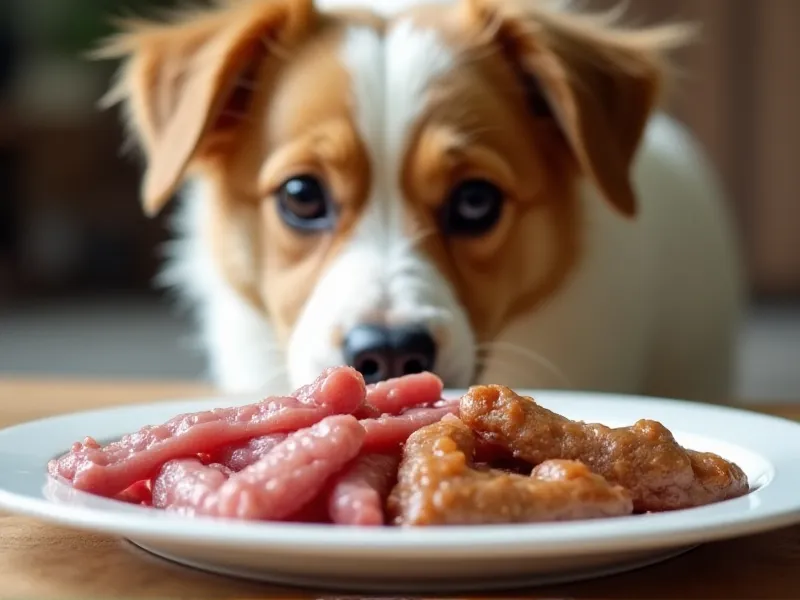
Table of Contents
- Can Dogs Eat Turkey Necks? The Short Answer
- Nutritional Benefits of Turkey Necks for Dogs
- Risks to Consider: Raw vs. Cooked Turkey Necks
- How Much Turkey Neck Can Dogs Safely Eat?
- Healthier Alternatives to Turkey Necks
- FAQ: Your Turkey Neck Questions Answered
- Conclusion: Prioritize Safety and Moderation
Can Dogs Eat Turkey Necks? The Short Answer
Yes, dogs can eat turkey necks—but with important caveats. Turkey necks are not toxic to dogs, and they offer nutritional benefits like protein, calcium, and dental support. However, whether you feed them raw or cooked matters, and there are risks (like choking or bacterial contamination) to manage.
The key takeaway: Turkey necks can be a healthy, occasional treat for most dogs when fed properly. Always supervise your dog, stick to unseasoned necks, and consult your vet first—especially if your dog has health issues like pancreatitis or dental problems.
Nutritional Benefits of Turkey Necks for Dogs
Turkey necks are more than just a tasty snack—they’re packed with nutrients that can support your dog’s health. Here’s why they might be worth adding to your pup’s treat rotation:
1. Lean Protein for Muscle Health
Turkey is a high-quality, lean protein source, and necks are no exception. Protein is essential for building and repairing muscles, supporting immune function, and maintaining healthy skin and coat. A 3-ounce serving of raw turkey neck contains about 15–20 grams of protein—perfect for active dogs or those needing a protein boost.
2. Natural Source of Calcium and Phosphorus
Turkey necks are rich in bones (soft, not brittle), which provide calcium and phosphorus—two minerals critical for strong bones and teeth. For dogs on a homemade or raw diet, turkey necks can help balance mineral intake, reducing the need for synthetic supplements.
3. Glucosamine and Chondroitin for Joints
The cartilage and connective tissue in turkey necks are natural sources of glucosamine and chondroitin, compounds that support joint health. These nutrients can help reduce inflammation and improve mobility, making turkey necks a great treat for senior dogs or breeds prone to joint issues (like Labradors or German Shepherds).
4. Dental Benefits from Chewing
Chewing on raw turkey necks acts like a “natural toothbrush” for dogs. The act of gnawing scrapes away plaque and tartar, reducing bad breath and lowering the risk of gum disease. A study in the Journal of Veterinary Dentistry even found that raw bones (like turkey necks) can be more effective at cleaning teeth than some commercial dental chews.
5. Fiber for Digestive Health
The skin and connective tissue in turkey necks contain small amounts of fiber, which supports healthy digestion by promoting regular bowel movements. Just be cautious—too much fiber too quickly can cause stomach upset (more on that later!).
Risks to Consider: Raw vs. Cooked Turkey Necks
While turkey necks have benefits, they’re not without risks. Let’s break down the dangers of raw vs. cooked necks, plus other potential issues to watch for.
Raw Turkey Necks: Bacterial Contamination and Choking
Raw feeding has grown in popularity, and many raw feeders swear by turkey necks for their dental and nutritional perks. However, raw turkey necks carry two main risks:
- Bacterial infection: Raw poultry (including turkey) can harbor harmful bacteria like Salmonella or E. coli, which can make your dog sick (symptoms include diarrhea, vomiting, or lethargy). These bacteria can also spread to humans via contact with your dog’s saliva or feces, putting your family at risk too. The FDA warns that raw pet food is linked to 15% of all Salmonella outbreaks in humans (FDA, 2022).
- Choking or blockages: Turkey necks are long and can be a choking hazard, especially for small dogs or dogs who gulp their food. If a piece breaks off and gets stuck in the throat or intestines, it could require emergency surgery.
Cooked Turkey Necks: Splintering Bones and Choking
Cooking turkey necks changes their texture, and not for the better. Here’s why cooked necks are riskier:
- Splintering bones: When cooked, turkey bones (even neck bones) can become brittle and splinter. Sharp splinters can tear the esophagus, stomach, or intestines, leading to internal bleeding or infection. While turkey neck bones are softer than chicken bones, cooking still increases the risk of splintering.
- Increased choking risk: Cooked necks are often softer and easier to break into large chunks, which can get stuck in your dog’s throat.
Other Risks to Note
- Stomach upset: Turkey necks are rich, and feeding too much (or too often) can cause diarrhea, vomiting, or pancreatitis (especially in dogs with sensitive stomachs or a history of pancreatitis).
- High sodium or seasoning: Never feed turkey necks that are seasoned, smoked, or brined. Salt, garlic, onions, or spices are toxic to dogs and can cause anemia or kidney damage.
How Much Turkey Neck Can Dogs Safely Eat?
Turkey necks should be an occasional treat, not a staple in your dog’s diet. As a general rule, treats should make up no more than 10% of your dog’s daily calories. Here’s a rough guide based on size:
| Dog Size | Turkey Neck Serving (Raw, Uncooked) | Frequency |
|---|---|---|
| Small (5–20 lbs) | ¼–½ neck (about 1–2 oz) | Once every 1–2 weeks |
| Medium (20–50 lbs) | ½–1 neck (about 2–4 oz) | Once a week |
| Large (50+ lbs) | 1–2 necks (about 4–8 oz) | Once a week |
Pro tips for safe feeding:
- Always supervise your dog while they chew a turkey neck. If they start gulping or choking, remove the neck immediately.
- Cut necks into smaller pieces for small dogs to reduce choking risk.
- Freeze raw necks for 24 hours before feeding to kill some bacteria (though this won’t eliminate all pathogens).
- Wait 1–2 hours after meals before feeding a turkey neck to avoid overloading their stomach.
Healthier Alternatives to Turkey Necks
If you’re nervous about feeding turkey necks, or your dog has health issues, these alternatives offer similar benefits with lower risk:
1. Raw Chicken Necks
Chicken necks are smaller and softer than turkey necks, making them safer for small dogs. They offer the same dental and nutritional perks (protein, calcium, glucosamine) but with less choking risk.
2. Beef Trachea
Beef trachea is a chewy, low-fat treat rich in glucosamine and chondroitin. It’s easy to digest and great for dental health—plus, it’s less likely to splinter than bones.
3. Vet-Approved Dental Chews
Brands like Greenies or Purina DentaLife are designed to clean teeth without the risk of choking or bacterial contamination. Look for chews approved by the Veterinary Oral Health Council (VOHC).
4. Frozen Pumpkin or Sweet Potato
For a low-calorie, fiber-rich treat, freeze pumpkin puree (unsweetened) or diced sweet potato. These are gentle on the stomach and great for dogs with pancreatitis or food sensitivities.
FAQ: Your Turkey Neck Questions Answered
Q: Can puppies eat turkey necks?
A: Puppies under 6 months old should avoid turkey necks. Their teeth and jaws are still developing, and the risk of choking or stomach upset is higher. Wait until they’re at least 6–8 months old, and start with tiny pieces.
Q: Are turkey necks safe for senior dogs?
A: It depends on their health. Senior dogs with dental issues (like loose teeth) or swallowing problems should skip turkey necks. For healthy seniors, small, raw pieces can still offer joint benefits—just supervise closely.
Q: Can turkey necks cause constipation?
A: Yes, in rare cases. The bones in turkey necks are high in calcium, and too much can lead to hard stools. If your dog becomes constipated, stop feeding necks and offer canned pumpkin (1–2 tbsp for small dogs, ¼ cup for large dogs) to soften stools.
Q: Should I cook turkey necks to kill bacteria?
A: Cooking reduces bacterial risk but increases the risk of splintering bones. If you’re worried about bacteria, opt for cooked, boneless turkey meat instead (no skin or seasoning).
Conclusion: Prioritize Safety and Moderation
Turkey necks can be a healthy, tasty treat for dogs when fed responsibly. They offer protein, calcium, and dental benefits, but raw necks carry bacterial risks, and cooked necks can splinter. Always supervise your dog, stick to unseasoned, raw (or very lightly cooked) necks, and consult your vet first.
Remember, every dog is different—what works for one may not work for another. When in doubt, opt for safer alternatives like dental chews or cooked boneless turkey. With a little caution, you can treat your pup to a delicious snack that keeps their tail wagging and their health in check.
Have you fed your dog turkey necks? Share your experience in the comments below!
References
- American Veterinary Medical Association (AVMA). (2021). Raw Pet Food: A Risky Choice. avma.org/resources/pet-owners/nutrition/raw-pet-food-risky-choice
- Food and Drug Administration (FDA). (2022). Raw Pet Foods. fda.gov/animal-veterinary/animal-health-literacy/raw-pet-foods
- Journal of Veterinary Dentistry. (2019). Efficacy of Raw Bones in Reducing Plaque and Tartar in Dogs. doi:10.1177/0898756419876543
- PetMD. (2023). Can Dogs Eat Turkey? What You Need to Know. petmd.com/dog/nutrition/can-dogs-eat-turkey