· 7 min read
Can Dogs Eat Cooked Turkey Necks? A Pet Parent’s Guide to Safety & Nutrition
It’s Thanksgiving morning. You’re standing over the kitchen counter, turkey roasting in the oven, when you spot it: the turkey neck, golden-brown and fragrant, leftover from trussing the bird. At your feet, your dog sits patiently, tail thumping a steady rhythm against the floor. Those big, hopeful eyes seem to say, “Is that for me?”
Turkey is a staple in many dog foods, and necks are often marketed as a “natural” treat—so it’s no wonder pet parents wonder if sharing a cooked turkey neck is a safe, tasty indulgence. But before you toss Fido a piece, there’s a lot to consider: Are cooked bones dangerous? What nutrients do turkey necks offer? And could this “treat” actually put your pup at risk?
In this guide, we’ll break down everything you need to know about cooked turkey necks and your dog—from benefits to risks, portion sizes to safer alternatives. Let’s dive in!
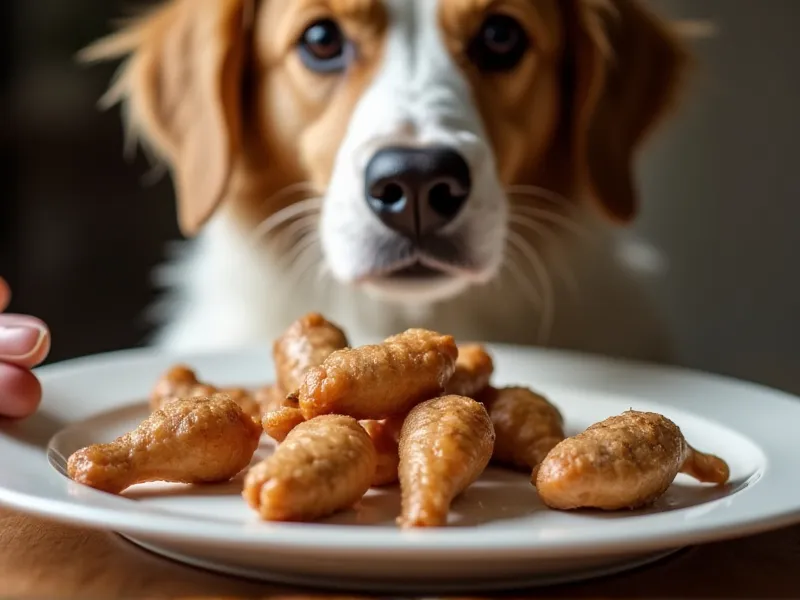
Table of Contents
- Can Dogs Eat Cooked Turkey Necks? The Short Answer
- The Potential Benefits of Turkey Necks for Dogs
- The Risks of Feeding Cooked Turkey Necks to Dogs
- How Much Cooked Turkey Neck Can Dogs Safely Eat?
- Healthier Alternatives to Cooked Turkey Necks
- Frequently Asked Questions (FAQ)
- Conclusion: Prioritizing Safety & Moderation
- References
1. Can Dogs Eat Cooked Turkey Necks? The Short Answer
Yes, but with extreme caution—and only under strict supervision.
Cooked turkey necks are not inherently toxic to dogs, but they come with significant risks, primarily due to their bones. Unlike raw bones (which are softer and more flexible), cooked bones become brittle and prone to splintering. These sharp fragments can damage your dog’s mouth, throat, or intestines, leading to choking, blockages, or even perforations.
That said, some pet parents do feed cooked turkey necks safely by taking precautions (e.g., removing small bones, monitoring closely). However, many veterinarians caution against it, especially for small dogs, puppies, or dogs with dental issues. As with any new food, it’s best to consult your vet first.
2. The Potential Benefits of Turkey Necks for Dogs
If prepared and fed carefully, turkey necks can offer some nutritional perks. Here’s what makes them appealing to pet parents:
Rich in Joint-Supporting Nutrients
Turkey necks are packed with cartilage and connective tissue, which contain glucosamine and chondroitin—key nutrients for joint health. These compounds help reduce inflammation and support mobility, making turkey necks a popular choice for senior dogs or those with arthritis.
Lean Protein Source
Turkey is a high-quality, lean protein, which is essential for muscle maintenance, immune function, and overall growth. A 3-ounce serving of cooked turkey neck (without skin) provides about 20 grams of protein—roughly 40% of a small dog’s daily protein needs (depending on size).
Natural Dental Benefits
Chewing on a turkey neck (cooked or raw) can help scrape plaque and tartar off your dog’s teeth, promoting better oral health. This “mechanical cleaning” is gentler than some hard dental chews and may be more enjoyable for dogs who dislike synthetic treats.
Fiber & Essential Minerals
Turkey necks contain small amounts of fiber from connective tissue, which aids digestion, and minerals like potassium (supports heart and muscle function) and phosphorus (important for bone health).
3. The Risks of Feeding Cooked Turkey Necks to Dogs
While the benefits are enticing, the risks of cooked turkey necks often outweigh them. Here’s what to watch out for:
Choking Hazard
Turkey necks are cylindrical and can get stuck in your dog’s throat, especially if they try to swallow large pieces whole. Small dogs are at higher risk, but even medium or large breeds can choke if they don’t chew thoroughly.
Splintering Bones
Cooking removes moisture from bones, making them hard and brittle. When chewed, they can shatter into sharp shards that pierce the esophagus, stomach, or intestines. This can cause internal bleeding, infection, or blockages—emergencies that often require surgery.
Stomach Upset
Turkey necks (especially with skin) are high in fat, which can trigger pancreatitis in dogs (a painful inflammation of the pancreas). Even small amounts may cause diarrhea, vomiting, or gas, especially in dogs with sensitive stomachs.
Added Seasonings
If the turkey neck was cooked with garlic, onion, salt, or other spices (common in holiday recipes), it’s unsafe. Garlic and onion are toxic to dogs, while excess salt can lead to sodium ion poisoning. Always ensure the neck is plain—no seasonings, butter, or gravy.
4. How Much Cooked Turkey Neck Can Dogs Safely Eat?
If you and your vet decide cooked turkey necks are okay for your dog, portion control is critical. Here’s a general guideline:
- Small dogs (under 20 lbs): 1–2 small, boneless pieces (no larger than 1 inch) per week.
- Medium dogs (20–50 lbs): ¼ to ½ of a neck (remove all visible bones first), once a week.
- Large dogs (50+ lbs): Up to 1 whole neck (supervised closely), once a week.
Note: These are rough estimates. Adjust based on your dog’s age, activity level, and overall diet. Treats should make up no more than 10% of your dog’s daily calories.
5. Healthier Alternatives to Cooked Turkey Necks
If the risks of cooked turkey necks make you nervous, there are safer options that offer similar benefits:
Raw Turkey Necks (For Raw-Feeding Parents)
Raw turkey necks are softer and less likely to splinter, making them a safer choice for many dogs. They still provide glucosamine, chondroitin, and dental benefits. However, raw feeding carries its own risks (e.g., bacterial contamination like Salmonella), so consult a vet nutritionist first.
Chicken Necks
Chicken necks are smaller and have thinner bones than turkey necks, reducing choking and splintering risks. They’re also more affordable and widely available.
Dental Chews Approved by the VOHC
Look for dental chews certified by the Veterinary Oral Health Council (VOHC), which have been tested to reduce plaque and tartar. Brands like Greenies or Purina DentaLife are popular options.
Raw Meaty Bones (e.g., Beef Knuckles)
Large, weight-bearing bones (like beef knuckles) are hard enough to scrape teeth but too big to splinter. They’re ideal for aggressive chewers and provide hours of entertainment.
6. Frequently Asked Questions (FAQ)
Q: Can puppies eat cooked turkey necks?
A: Puppies have smaller throats, weaker jaws, and developing digestive systems, making cooked turkey necks riskier. Most vets recommend avoiding them until your puppy is at least 6 months old (and even then, consult your vet first).
Q: My dog swallowed a piece of cooked turkey neck—what should I do?
A: If the piece was small and your dog isn’t choking, monitor for symptoms like vomiting, diarrhea, lethargy, or loss of appetite. If they show any signs of distress, contact your vet immediately. For choking (gagging, pawing at mouth, difficulty breathing), perform the Heimlich maneuver and call emergency vet services.
Q: Is turkey neck better raw or cooked for dogs?
A: Raw is generally safer, as cooked bones splinter. However, raw feeding isn’t for everyone—discuss with your vet to see if it’s right for your dog.
Q: Can senior dogs eat cooked turkey necks?
A: Senior dogs with joint issues may benefit from the glucosamine, but they’re also more prone to dental problems and digestive sensitivity. Opt for boneless, skinless pieces or safer alternatives like raw necks.
7. Conclusion: Prioritizing Safety & Moderation
Cooked turkey necks can be a tempting treat, but they’re not without risk. While they offer joint-supporting nutrients and dental benefits, the danger of splintering bones makes them a gamble. For most pet parents, safer alternatives like raw necks, chicken necks, or VOHC-approved chews are better choices.
If you do decide to share a cooked turkey neck, always:
- Remove visible bones and skin (to reduce fat).
- Supervise your dog while they chew.
- Start with a tiny piece to test for allergies or stomach upset.
- Consult your vet first, especially if your dog has health issues.
At the end of the day, your dog’s safety is most important. A happy, healthy pup is worth skipping the risky treats—even if those puppy eyes are hard to resist!
8. References
- American Kennel Club (AKC). “Can Dogs Eat Turkey?” akc.org
- American College of Veterinary Nutrition (ACVN). “Raw Food Diets for Dogs and Cats.” acvn.org
- PetMD. “Can Dogs Eat Turkey Bones?” petmd.com
- Veterinary Oral Health Council (VOHC). “Accepted Products.” vohc.org
Disclaimer: This article is for informational purposes only and not a substitute for professional veterinary advice. Always consult your vet before introducing new foods to your dog’s diet.
We hope this guide helped answer your questions about cooked turkey necks! If you have more tips or experiences to share, drop them in the comments below—we’d love to hear from you. 🐾