· 8 min read
Can Dogs Eat Turkey Necks? Benefits, Risks & Safe Feeding Guide
It’s a familiar scene: You’re cleaning up after a holiday meal, and there it is—the turkey neck, plump with meat and cartilage, just begging to be tossed to your eager pup. Those big, soulful eyes are locked on you, and you can almost hear the silent plea: “Is this for me?” As a pet parent, you want to spoil your dog, but you also need to keep them safe. So, can dogs eat turkey necks? Are they a nutritious treat or a hidden hazard?
Turkey is a staple in many dog foods, lauded for its lean protein and mild flavor. But turkey necks—with their bones, skin, and connective tissue—are a different story. In this guide, we’ll break down the facts: the benefits, the risks, how much to feed (if at all), and even healthier alternatives. By the end, you’ll know exactly whether that turkey neck should end up in your dog’s bowl… or in the trash.
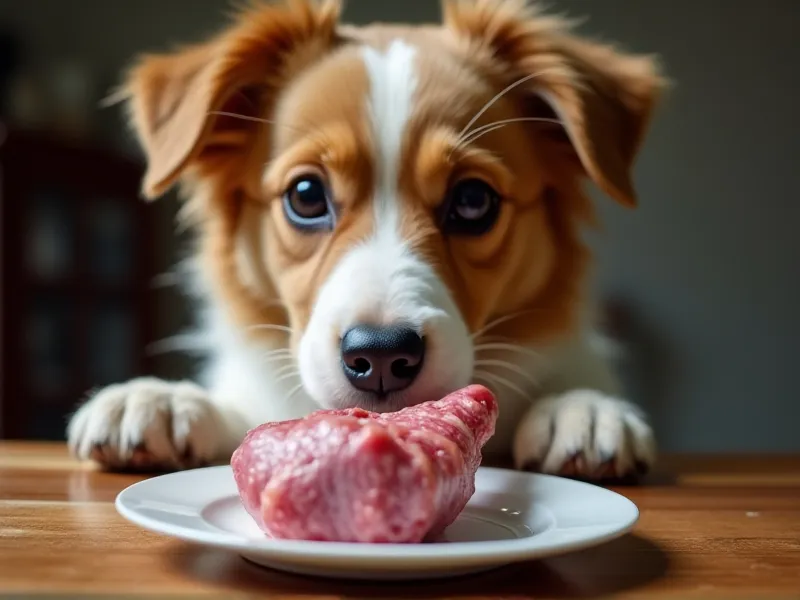
Table of Contents
- Can Dogs Eat Turkey Necks? The Short Answer
- The Benefits of Turkey Necks for Dogs
- The Risks of Feeding Turkey Necks to Dogs
- How Much Turkey Neck Can Dogs Safely Eat?
- Healthier Alternatives to Turkey Necks
- Frequently Asked Questions (FAQ)
- Conclusion: Moderation and Safety First
- References
Can Dogs Eat Turkey Necks? The Short Answer
Yes, dogs can eat turkey necks—but with critical caveats. When prepared properly (raw, unseasoned, and sized appropriately), turkey necks can offer nutritional benefits like joint-supporting nutrients and dental care. However, they pose risks, including choking, bacterial contamination, and pancreatitis if overfed. They should never be cooked (cooked bones splinter!), and portion control is key. Always consult your vet first, especially if your dog has health issues like pancreatitis or a history of digestive problems.
The Benefits of Turkey Necks for Dogs
Turkey necks aren’t just scraps—they’re nutrient-dense, especially when fed raw. Here’s why they might make a healthy occasional treat:
1. Nutrient Powerhouse: Protein, Vitamins, and Minerals
Turkey necks are packed with high-quality protein, which supports muscle growth, repair, and overall energy. They also contain essential vitamins and minerals, including:
- B vitamins (B6, B12): Boost metabolism and cognitive function.
- Selenium: An antioxidant that supports thyroid health and immune function.
- Potassium: Regulates heart rhythm and muscle function (important for active dogs!).
2. Joint Health Support: Glucosamine & Chondroitin
The connective tissue and cartilage in turkey necks are rich in glucosamine and chondroitin—natural compounds that support joint health. These nutrients are often added to dog supplements for arthritis, so feeding a raw turkey neck偶尔 can be a “whole food” way to support mobility, especially for senior dogs or breeds prone to joint issues (like Labradors or German Shepherds).
3. Dental Health: A Natural Toothbrush
Chewing on raw turkey necks helps scrape away plaque and tartar from your dog’s teeth. The act of gnawing also stimulates saliva production, which naturally cleanses the mouth. This can reduce bad breath and lower the risk of periodontal disease—no toothbrush required!
4. Fiber for Digestive Health
The skin and connective tissue in turkey necks contain small amounts of fiber, which aids digestion by promoting regular bowel movements. Just be cautious: Too much fiber (from overfeeding) can lead to loose stools, so moderation is key.
The Risks of Feeding Turkey Necks to Dogs
While turkey necks have benefits, they’re not without risks. Here’s what to watch for:
1. Choking and Blockage Hazards
Turkey necks are cylindrical and can be a choking risk, especially for small dogs or dogs who gulp food without chewing. If a piece breaks off, it could also lodge in the throat or intestines, causing a life-threatening blockage. Signs of blockage include vomiting, lethargy, loss of appetite, or difficulty defecating—if you notice these, contact your vet immediately.
2. Cooked Bones: A Hidden Danger
Never feed cooked turkey necks to your dog. Cooking causes bones to dry out and become brittle, making them prone to splintering. Sharp bone fragments can tear the esophagus, stomach, or intestines, leading to internal bleeding or infection. Even “soft” cooked bones (like those from a slow-cooked turkey) are risky—stick to raw.
3. Seasonings and Additives: Toxic Risks
Turkey necks from holiday meals are often seasoned with garlic, onion, salt, or sugar—all of which are toxic to dogs:
- Garlic/onion: Cause oxidative damage to red blood cells, leading to anemia.
- Salt: Excess sodium can cause sodium ion poisoning (symptoms: vomiting, diarrhea, seizures).
- Sugar: Contributes to obesity, diabetes, and dental decay.
Only feed unseasoned turkey necks—no butter, herbs, or sauces!
4. Fat and Calorie Overload: Pancreatitis Risk
Turkey neck skin is high in fat. While a little fat is healthy, too much can trigger pancreatitis—a painful inflammation of the pancreas. Symptoms include vomiting, abdominal pain, and lethargy. Dogs with a history of pancreatitis, obesity, or sensitive stomachs should avoid turkey necks entirely.
5. Bacterial Concerns with Raw Turkey Necks
Raw meat (including turkey necks) can harbor harmful bacteria like Salmonella or E. coli, which can sicken both dogs and humans (a zoonotic risk). To reduce this:
- Thaw frozen necks in the refrigerator (not on the counter).
- Wash hands, bowls, and surfaces thoroughly after handling.
- Avoid feeding raw necks to immunocompromised dogs, puppies, or elderly dogs.
How Much Turkey Neck Can Dogs Safely Eat?
Turkey necks should be an occasional treat, not a daily meal. The amount depends on your dog’s size, weight, and activity level. Here’s a general guideline:
Portion Sizes by Dog Size
- Small dogs (under 20 lbs): 1–2 inch slice of a turkey neck (about 1–2 ounces), once every 7–10 days.
- Medium dogs (20–50 lbs): 3–4 inch piece (3–4 ounces), once weekly.
- Large dogs (50+ lbs): 1 whole turkey neck (5–6 ounces), once every 7–10 days.
Frequency: Occasional, Not Daily
Turkey necks are high in calories and fat, so overfeeding can lead to weight gain. As a rule, treats should make up no more than 10% of your dog’s daily calories. For example, a 30-lb dog needs ~600 calories/day—so their turkey neck treat should be under 60 calories (about 1–2 ounces of neck).
Adjust Their Regular Diet
If you feed a turkey neck, reduce their main meal by a small amount to avoid overfeeding. This is especially important for overweight dogs or those on a calorie-restricted diet.
Healthier Alternatives to Turkey Necks
If you’re nervous about raw bones or your dog has health issues, try these safer alternatives:
1. Freeze-Dried Turkey Necks
Freeze-dried necks are raw but processed to remove moisture, reducing bacterial risks. They’re lightweight, easy to store, and still offer dental benefits. Look for brands with no added salt or preservatives (e.g., Stella & Chewy’s, Primal).
2. Other Raw Meaty Bones
- Chicken necks: Smaller and softer than turkey necks, ideal for small dogs.
- Beef knuckles: Large, meaty bones that encourage slow chewing (great for big dogs).
- Lamb necks: Rich in nutrients, with a mild flavor for picky eaters.
3. Cooked, Deboned Turkey Meat
Skip the bones entirely! Cooked, unseasoned turkey breast (deboned) is a lean, safe treat. It’s high in protein and low in fat—perfect for dogs with pancreatitis or sensitive stomachs.
4. Commercial Dental Chews
If you want dental benefits without the bone risk, try vet-recommended dental chews (e.g., Greenies, Virbac C.E.T.). These are designed to reduce plaque and are digestible.
Frequently Asked Questions (FAQ)
Q: Can puppies eat turkey necks?
A: Puppies have smaller airways and developing digestive systems, so consult your vet first. If approved, offer very small pieces (1 inch or less) and supervise closely to prevent choking. Avoid feeding to puppies under 12 weeks old.
Q: Is raw or cooked turkey neck better for dogs?
A: Raw is safer for bones (cooked bones splinter!), but raw carries bacterial risks. If you choose raw, handle it carefully (wash hands, clean surfaces). Cooked turkey necks are never safe—stick to deboned, cooked turkey meat instead.
Q: My dog swallowed a turkey neck bone—what should I do?
A: If your dog is choking (gagging, pawing at the mouth, difficulty breathing), perform the Heimlich maneuver and call your vet immediately. If they swallowed a bone and seem fine, monitor for symptoms of blockage (vomiting, lethargy, loss of appetite) for 24–48 hours. When in doubt, contact your vet—better safe than sorry!
Q: Can dogs with pancreatitis eat turkey necks?
A: No. Turkey necks (especially with skin) are high in fat, which can trigger pancreatitis flare-ups. Stick to low-fat treats like boiled chicken breast or pumpkin.
Q: How do I prepare a raw turkey neck safely?
A: Thaw in the fridge overnight. Rinse briefly (optional). Offer on a non-slip surface (like a rubber mat) to avoid mess. Supervise your dog while they chew, and take away any small, sharp pieces that break off.
Conclusion: Moderation and Safety First
Turkey necks can be a healthy, tasty treat for dogs—when done right. They offer protein, joint support, and dental benefits, but they require careful preparation (raw, unseasoned) and portion control. Always consult your vet before adding them to your dog’s diet, especially if your pup has health issues.
At the end of the day, your dog’s safety is top priority. A little turkey neck now and then might make their tail wag, but when in doubt, opt for safer alternatives like freeze-dried necks or cooked, deboned turkey. After all, a happy dog is a healthy dog!
References
- American Kennel Club (AKC). “Can Dogs Eat Turkey?” akc.org/expert-advice/nutrition/can-dogs-eat-turkey
- American College of Veterinary Nutrition (ACVN). “Raw Food Diets for Dogs and Cats.” acvn.org/raw-food-diets
- PetMD. “Toxic Foods for Dogs.” petmd.com/dog/chronic-conditions/what-foods-are-toxic-dogs-avoid-these-foods
- FDA. “Thinking About Feeding Your Pet a Raw Diet?” fda.gov/animal-veterinary/animal-health-literacy/thinking-about-feeding-your-pet-raw-diet
- Cummings School of Veterinary Medicine (Tufts University). “Pancreatitis in Dogs.” tuftscatnip.tufts.edu/2020/02/pancreatitis-dogs/