· 7 min read
Can Dogs Eat Turkey Giblets Raw? A Pet Parent’s Guide to Safe Feeding
It’s a crisp autumn afternoon, and you’re prepping a turkey for dinner. As you reach into the cavity, you pull out that familiar little package: the giblets. Inside, there’s a plump liver, a firm heart, and a rubbery gizzard—all prime real estate for your dog, who’s been eyeing your every move with those puppy-dog eyes. “Surely a tiny taste won’t hurt,” you think. But wait—can dogs eat turkey giblets raw?
If you’ve ever wondered whether those nutrient-packed organ meats are safe for your pup, you’re not alone. Giblets are often hailed as a “superfood” for humans, but when it comes to our furry friends, the rules get a bit more complicated. In this guide, we’ll break down the benefits, risks, and best practices for feeding turkey giblets to dogs—so you can keep your pup happy, healthy, and (maybe) a little less begging at the dinner table.
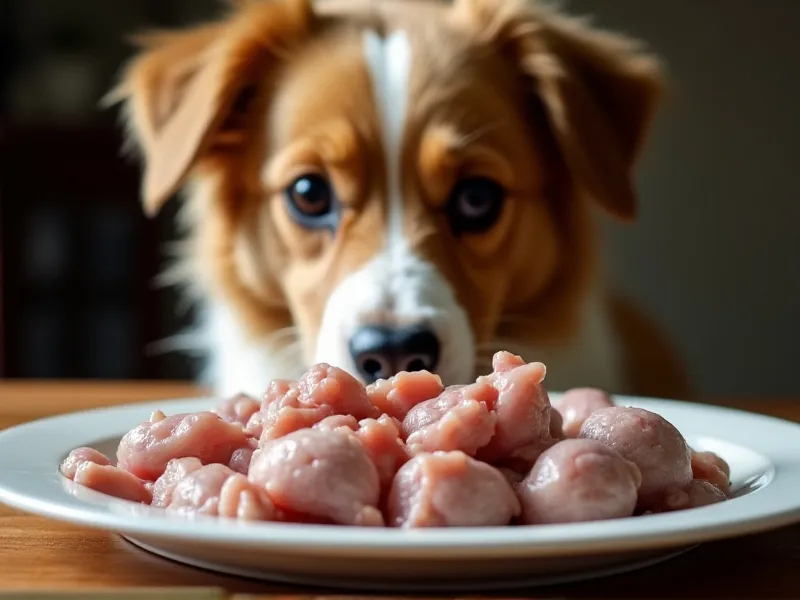
Table of Contents
- Is Raw Turkey Giblets Safe for Dogs? The Short Answer
- Potential Benefits of Turkey Giblets for Dogs
- Risks of Feeding Raw Turkey Giblets to Dogs
- How Much Turkey Giblets Can Dogs Eat? Guidelines for Safe Feeding
- Healthier Alternatives to Raw Turkey Giblets
- FAQ: Your Turkey Giblet Questions Answered
- Conclusion: Moderation and Veterinary Guidance Are Key
Is Raw Turkey Giblets Safe for Dogs? The Short Answer
Let’s cut to the chase: Raw turkey giblets are not recommended for dogs. While they’re nutrient-dense, raw organ meats (like liver, heart, and gizzard) pose significant risks, including bacterial contamination, digestive upset, and choking hazards. For most dogs, cooking the giblets first eliminates these dangers, making them a safer, occasional treat.
That said, every dog is different. Some may tolerate small amounts of raw giblets, but the potential downsides often outweigh the benefits. Let’s dive into why.
Potential Benefits of Turkey Giblets for Dogs
Before we get into the risks, it’s worth highlighting why giblets are so tempting: they’re nutritional powerhouses! When fed safely (i.e., cooked and in moderation), turkey giblets can offer several health perks for your pup:
1. Packed with Essential Nutrients
- Liver: A nutrient-dense organ meat rich in iron (supports red blood cells), zinc (boosts immunity), vitamin A (eye health), and B vitamins (energy metabolism). It’s often called “nature’s multivitamin” for dogs.
- Heart: Lean protein with CoQ10 (supports heart health) and taurine (critical for heart and brain function).
- Gizzard: A tough, muscular organ high in protein, glucosamine (joint health), and fiber (aids digestion).
2. Natural and Unprocessed
Unlike many commercial treats, giblets are minimally processed (when plain) and free from artificial additives, making them a “whole food” option for dogs.
3. Palatable for Picky Eaters
Many dogs go wild for the rich, meaty flavor of giblets. If your pup turns up their nose at kibble, a tiny cooked giblet might be a tasty way to entice them to eat (or take medication!).
Risks of Feeding Raw Turkey Giblets to Dogs
While the nutrients are impressive, raw giblets come with serious risks that pet parents can’t ignore:
1. Bacterial Contamination
Raw poultry (including giblets) is a common carrier of harmful bacteria like Salmonella and E. coli. These pathogens can sicken your dog (causing vomiting, diarrhea, or even sepsis) and spread to humans via contact with your dog’s saliva or feces. The Centers for Disease Control (CDC) warns that raw pet food is a leading source of Salmonella outbreaks in households.
2. Parasites
Raw giblets may contain parasites like Toxoplasma gondii or Trichinella spiralis, which can infect dogs and cause illness (e.g., muscle pain, fever, or neurological issues in severe cases).
3. Digestive Upset
Giblets are rich and high in fat (especially liver). Feeding raw giblets can overwhelm your dog’s stomach, leading to vomiting, diarrhea, or pancreatitis (a painful inflammation of the pancreas, common in dogs fed fatty foods).
4. Choking or Blockage Hazards
While giblets themselves are boneless, their rubbery texture (especially raw gizzard) can pose a choking risk for small dogs. Additionally, if swallowed in large chunks, they may block the digestive tract—requiring emergency surgery.
5. Nutrient Imbalance
Too much liver, in particular, can cause vitamin A toxicity in dogs. Symptoms include joint pain, lethargy, and bone abnormalities over time. Even small, frequent servings can add up!
How Much Turkey Giblets Can Dogs Eat? Guidelines for Safe Feeding
If you decide to feed cooked giblets (the safer option), moderation is key. Giblets should never replace your dog’s balanced diet—they’re a treat, not a meal. Here’s how to portion them:
1. Stick to 10% of Daily Calories
Treats (including giblets) should make up no more than 10% of your dog’s daily calorie intake. For example:
- A 10-pound dog (~300 calories/day) can have ~30 calories from giblets (about 1-2 teaspoons of cooked liver).
- A 50-pound dog (~700 calories/day) can have ~70 calories (a small slice of liver or 1-2 bites of heart).
2. Adjust for Size and Health
- Small dogs (e.g., Chihuahuas, Yorkies): A thumbnail-sized piece of cooked liver or heart is plenty.
- Medium dogs (e.g., Beagles, Corgis): 1-2 tablespoons of chopped giblets.
- Large dogs (e.g., Labs, German Shepherds): Up to ¼ cup of chopped giblets (cooked).
- Dogs with health issues (e.g., pancreatitis, kidney disease): Avoid giblets entirely unless approved by your vet.
3. Cook Thoroughly and Serve Plain
Always cook giblets until they’re no longer pink. Skip the seasoning: onions, garlic, salt, pepper, and butter are toxic to dogs. Boil, bake, or steam giblets—never fry them (added fat = pancreatitis risk).
Healthier Alternatives to Raw Turkey Giblets
If you’re hesitant to feed giblets (raw or cooked), or your dog has a sensitive stomach, these alternatives offer similar benefits with fewer risks:
1. Cooked, Plain Turkey Meat
Lean, cooked turkey breast (without skin or bones) is a safer, lower-fat option than giblets. It’s high in protein and easy to digest.
2. Commercial Organ Meat Treats
Look for dog treats made with cooked organ meats (e.g., “liver bites” or “gizzard chews”). Brands like Zuke’s or Wellness often make these—they’re portion-controlled and free from harmful bacteria.
3. Cooked Chicken Liver
Chicken liver is milder than turkey liver and easier to find. Feed it cooked, in tiny amounts (e.g., 1 teaspoon for small dogs), as an occasional treat.
4. Vet-Recommended Supplements
If your dog needs more iron or B vitamins, ask your vet about supplements. They can recommend a dosage that won’t cause nutrient imbalances.
FAQ: Your Turkey Giblet Questions Answered
Q: Can puppies eat turkey giblets?
A: Puppies have sensitive immune systems and digestive tracts, so raw giblets are a big no. Cooked giblets might be okay in tiny amounts (after 6 months old), but check with your vet first—puppies need balanced nutrition for growth.
Q: My dog ate raw turkey giblets—what should I do?
A: Don’t panic! Monitor them for 24-48 hours for symptoms like vomiting, diarrhea, lethargy, or loss of appetite. If symptoms occur, contact your vet. Most dogs will be fine, but it’s better to be safe.
Q: Are turkey gizzards safer than liver for dogs?
A: Gizzards are lower in fat and vitamin A than liver, so they’re slightly safer in small amounts. But they still pose bacterial risks when raw, so cook them first!
Q: Can dogs eat turkey neck giblets?
A: Turkey necks often contain small bones, which can splinter and cause choking or blockages. Avoid raw necks entirely. Cooked necks are safer (bones soften), but only feed under supervision and never to small dogs.
Conclusion: Moderation and Veterinary Guidance Are Key
Turkey giblets are a nutrient-dense treat, but raw feeding comes with too many risks. For most dogs, cooked, plain giblets in tiny amounts are the way to go. Always prioritize your dog’s safety: cook thoroughly, skip the seasoning, and keep portions small.
If you’re unsure whether giblets are right for your pup—especially if they have health issues—consult your vet. They can help you create a balanced diet that includes treats your dog will love (without the worry).
At the end of the day, a happy dog is a healthy dog. And sometimes, the best treat is just a belly rub and a game of fetch. But if you do share that turkey giblet? Cook it first. Your pup (and your peace of mind) will thank you.
References
- American Kennel Club (AKC). “Can Dogs Eat Turkey?” akc.org
- American Veterinary Medical Association (AVMA). “Raw Pet Food: A Risky Choice.” avma.org
- PetMD. “Liver for Dogs: Benefits and Risks.” petmd.com
- Cummings School of Veterinary Medicine at Tufts University. “Organ Meats for Dogs: Are They Good or Bad?” tuftscvm.org