· 7 min read
Can Dogs Eat Turkey Giblets? A Pet Parent’s Guide to Safe Treats
It’s Thanksgiving morning, and as you prep the turkey, you notice your dog’s nose twitching. Their tail thumps against the cabinet as you pull out the giblets—those small, flavorful organs tucked inside the bird. “Can I share a bite?” you wonder. After all, giblets are a holiday staple, and what better way to include your pup in the feast than with a tasty leftover?
Turkey giblets (think liver, heart, gizzard, and neck) are a common leftover, and pet parents often want to treat their dogs to a little “human food” love. But before you toss a giblet their way, it’s critical to know: Are turkey giblets safe for dogs?
In this guide, we’ll break down the benefits, risks, and best practices for feeding giblets to your pup. Let’s dive in!
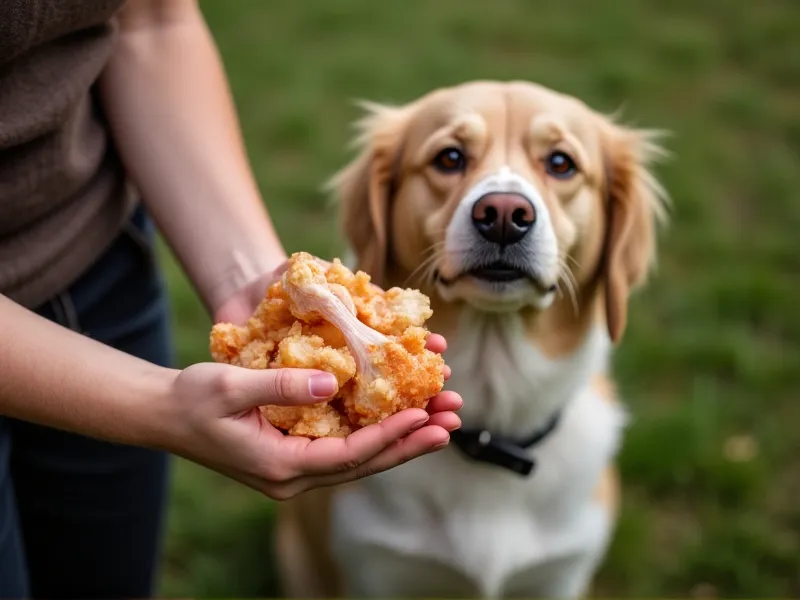
Table of Contents
- Can Dogs Eat Turkey Giblets? The Short Answer
- Nutritional Benefits of Turkey Giblets for Dogs
- Potential Risks: What to Watch For
- Safe Feeding Guidelines: How to Share Giblets Responsibly
- Healthier Alternatives to Giblets
- FAQ: Your Top Questions Answered
- Conclusion: Moderation is Key
- References
Can Dogs Eat Turkey Giblets? The Short Answer
Yes, dogs can eat turkey giblets—but only under specific conditions.
Plain, cooked giblets (liver, heart, gizzard) are safe in small, occasional portions. However, they must be:
- Cooked thoroughly (no raw meat).
- Unseasoned (no salt, garlic, onion, or spices).
- Bone-free (avoid the neck, which often contains small, splintery bones).
Giblets are nutrient-dense, but they’re not a “free pass” treat. Overfeeding or serving them raw/seasoned can lead to health issues. Let’s unpack the details!
Nutritional Benefits of Turkey Giblets for Dogs
Giblets are more than just tasty—they’re packed with nutrients that can support your dog’s health when served correctly. Here’s what makes them a (sometimes) great treat:
1. High-Quality Protein
Giblets like heart and gizzard are rich in lean protein, which is essential for muscle repair, energy, and a healthy coat. Protein also helps keep your dog feeling full, making giblets a satisfying snack.
2. Essential Vitamins & Minerals
- Iron: Liver is a top source of iron, which helps red blood cells carry oxygen throughout the body. Iron deficiency can lead to fatigue, so a small liver treat now and then supports healthy blood.
- Zinc: Found in gizzards and heart, zinc boosts immune function and helps with wound healing.
- B Vitamins: Liver and heart are loaded with B vitamins (B12, riboflavin), which convert food into energy and support brain health.
- Potassium: This mineral (found in heart and gizzard) regulates heart rate and muscle function, keeping your dog’s cardiovascular system in check.
3. Fiber (in Small Amounts)
Gizzards, which are muscular organs, contain small amounts of fiber and connective tissue. This can aid digestion in moderation, though it’s not a substitute for high-fiber dog food.
Pro Tip: Liver is the most nutrient-dense giblet, but it’s also the richest. A little goes a long way!
Potential Risks: What to Watch For
While giblets have perks, they’re not risk-free. Here’s what to avoid to keep your pup safe:
1. Raw Giblets = Bacterial Risk
Raw turkey giblets (or any raw meat) can harbor harmful bacteria like Salmonella or E. coli. These pathogens can sicken both dogs and humans. Symptoms in dogs include vomiting, diarrhea, and lethargy. Always cook giblets to an internal temperature of 165°F (74°C) to kill bacteria (AVMA, 2023).
2. Bones Are a Choking Hazard
The turkey neck is often included with giblets, but its small, brittle bones are dangerous. Cooked bones splinter easily, which can:
- Choke your dog.
- Tear the throat, stomach, or intestines.
- Cause blockages (requiring surgery).
Even “soft” neck bones are risky—skip them entirely.
3. Toxic Seasonings
Giblets are often cooked with onions, garlic, salt, or herbs to flavor human meals. Onions and garlic are toxic to dogs (they damage red blood cells), while excess salt can cause dehydration or sodium ion poisoning (ASPCA, 2023). Always serve giblets plain—no butter, broth, or spices.
4. Too Much Liver = Vitamin A Toxicity
Liver is nutrient-dense, but it’s also high in vitamin A. Over time, excess vitamin A (called hypervitaminosis A) can cause joint pain, lethargy, or even bone damage. A good rule: Limit liver to 1–2 small bites per week for medium dogs (Merck Veterinary Manual, 2023).
5. Pancreatitis Risk from Fat
While giblets are leaner than turkey skin, they still contain some fat. Dogs with sensitive stomachs (or breeds prone to pancreatitis, like Schnauzers) may react poorly to fatty treats. Symptoms include vomiting, diarrhea, or abdominal pain—contact your vet if you notice these.
Safe Feeding Guidelines: How to Share Giblets Responsibly
If you want to treat your dog to giblets, follow these rules to keep them safe:
1. Cook Thoroughly
Boil, bake, or steam giblets until they’re no longer pink. Avoid frying (added fat) or grilling (charred bits can be harmful).
2. Remove All Bones
Discard the neck and any small bones. Even “soft” cooked bones can splinter—play it safe!
3. Keep It Plain
No salt, garlic, onion, or herbs. If the giblets were cooked with seasonings for humans, set aside a small portion before adding spices.
4. Portion Control
Giblets should be an occasional treat, not a meal. Aim for:
- Small dogs (under 20 lbs): 1–2 teaspoons per week.
- Medium dogs (20–50 lbs): 1–2 tablespoons per week.
- Large dogs (50+ lbs): 2–3 tablespoons per week.
Too much can cause diarrhea or upset stomach—start with a tiny bite to test tolerance.
5. Watch for Allergies
Some dogs are sensitive to poultry. If your dog has never had turkey, serve a tiny piece and monitor for itching, swelling, or vomiting.
6. Skip if Your Dog Has Health Issues
Avoid giblets if your dog has:
- Pancreatitis, kidney disease, or liver problems (high protein/vitamin A may worsen symptoms).
- A history of digestive issues (stick to bland treats like plain pumpkin instead).
Healthier Alternatives to Giblets
If you’re wary of giblets, or your dog has sensitivities, try these safer, equally tasty treats:
1. Plain Cooked Turkey Breast
Turkey breast is leaner than giblets and lower in fat. Dice it into small pieces for a protein-packed snack.
2. Steamed Veggies
Carrots, green beans, or broccoli (cooked, no salt) are low-calorie and high in fiber. Dogs love the crunch!
3. Plain Pumpkin
Canned pumpkin (not pie filling!) soothes upset stomachs and adds fiber. Serve 1–2 tablespoons as a treat.
4. Commercial Turkey Treats
Look for dog treats made with real turkey (no by-products). Brands like Blue Buffalo or Merrick offer giblet-free options tailored to canine nutrition.
FAQ: Your Top Questions Answered
Q: Can puppies eat turkey giblets?
A: Yes, but in very small portions. Puppies have sensitive stomachs—start with 1 teaspoon of cooked, plain giblet and monitor for diarrhea.
Q: My dog ate raw giblets—what should I do?
A: Watch for 24–48 hours for vomiting, diarrhea, or lethargy (signs of bacterial infection). Contact your vet if symptoms appear—they may recommend probiotics or treatment for Salmonella.
Q: Are giblets from store-bought turkeys safe?
A: Yes, as long as they’re plain (no added broth or seasoning). Check the package—some giblets come in a pouch with salted water; rinse these first.
Q: Can dogs eat giblet gravy?
A: No. Gravy is high in fat, salt, and often contains onions/garlic. Stick to plain water or low-sodium broth if you want to moisten their food.
Q: My dog stole a whole bowl of giblets—help!
A: Contact your vet immediately. Too much fat/liver can cause pancreatitis or vitamin A toxicity. Watch for vomiting, diarrhea, or lethargy and bring a sample of the giblets (if possible) to your appointment.
Conclusion: Moderation is Key
Giblets can be a safe, nutrient-rich treat for dogs—when served correctly. Cooked, plain, and in small portions, they’re a great way to share holiday joy with your pup. But remember: every dog is different. If your dog has health issues, or you’re unsure, always ask your vet first.
At the end of the day, the best treat is love—and a little common sense. Whether you share giblets or opt for veggies, your dog will appreciate the thought. Happy holidays (and happy snacking)!
References
- American Veterinary Medical Association (AVMA). (2023). Raw Food Diets for Pets. avma.org/resources/pet-owners/petcare/raw-food-diets-pets
- ASPCA. (2023). People Foods to Avoid Feeding Your Pet. aspca.org/pet-care/animal-poison-control/people-foods-avoid-feeding-your-pet
- Merck Veterinary Manual. (2023). Overview of Nutrition in Dogs. merckvetmanual.com/dog-owners/nutrition-and-nutritional-disorders/overview-of-nutrition-in-dogs
- PetMD. (2023). Can Dogs Eat Turkey? petmd.com/dog/nutrition/can-dogs-eat-turkey