· 8 min read
Can Dogs Eat Turkey Franks? A Pet Parent’s Guide to Safe Treats
It’s a warm summer evening, and you’re grilling up a storm—burgers, veggies, and a pack of juicy turkey franks. As you flip one onto a bun, you glance down to find your dog staring up at you, tail thumping a rapid rhythm against the deck. Those puppy eyes seem to say, “Share the love?” If you’ve ever paused mid-bite, wondering whether turkey franks are safe for your furry friend, you’re not alone.
Turkey franks are a popular, convenient staple at barbecues and picnics, but when it comes to our dogs, “human food” doesn’t always translate to “dog-friendly.” In this guide, we’ll answer the burning question: Can dogs eat turkey franks? We’ll break down the potential benefits (yes, there are a few!), the very real risks, and how to safely share a tiny taste—if you choose to. Plus, we’ll share healthier alternatives that let you treat your pup without worry. Let’s dig in!
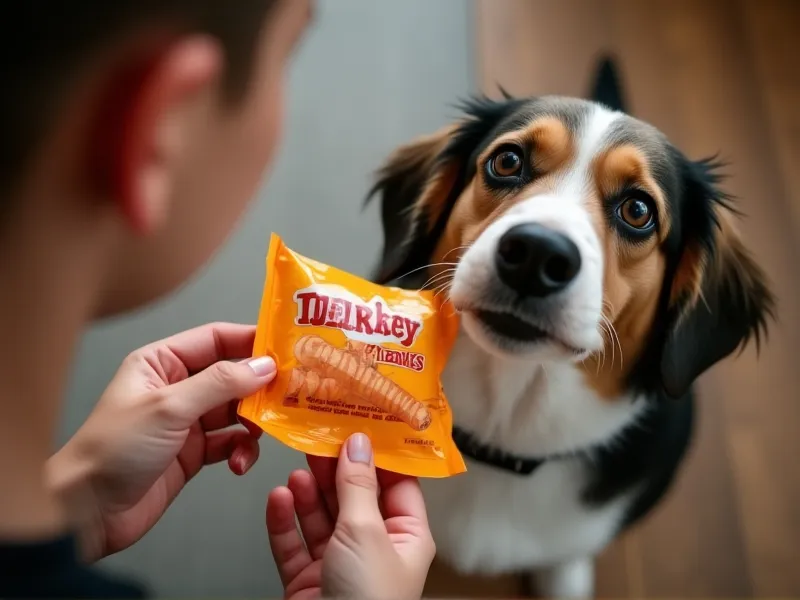
Table of Contents
- Can Dogs Eat Turkey Franks? The Short Answer
- Potential Benefits of Turkey Franks for Dogs (Yes, Really!)
- The Risks: Why Turkey Franks Are Far From Ideal
- Safe Feeding Guidelines: How Much (If Any) Is Okay?
- Healthier Alternatives to Turkey Franks
- FAQ: Your Turkey Frank Questions Answered
- Conclusion: Prioritize Your Pup’s Health
Can Dogs Eat Turkey Franks? The Short Answer
Yes, dogs can technically eat small, occasional bites of turkey franks—but they are not a recommended treat.
Turkey franks are processed meats, meaning they’re loaded with additives, salt, and other ingredients that can harm dogs in large amounts. While a tiny piece (think: the size of a pea for a Chihuahua, or a dime for a Golden Retriever) might not hurt your pup, they offer little nutritional value and come with significant risks. For most dogs, the cons far outweigh the pros.
Potential Benefits of Turkey Franks for Dogs (Yes, Really!)
Let’s start with the good news—though it’s limited. Turkey itself is a lean, protein-rich meat that’s often recommended for dogs (think: plain, unseasoned turkey as part of a balanced diet). Since turkey franks are made from turkey, they do contain some of these benefits, but the processing dilutes them. Here’s what to know:
1. Protein for Muscle Health
Turkey is a complete protein, meaning it contains all the essential amino acids dogs need to maintain strong muscles, healthy skin, and a shiny coat. Turkey franks, as a turkey-based product, will have some protein—though much less than unprocessed turkey (thanks to added fillers like breadcrumbs or soy).
2. Trace Minerals Like Potassium
Turkey is a natural source of potassium, an electrolyte that helps regulate your dog’s heart rate, muscle function, and fluid balance. While turkey franks have small amounts of potassium, you’ll find far more in fresh turkey (and without the added salt!).
3. A Tasty “Special Occasion” Treat
Let’s be honest: Dogs love the smell and taste of grilled or cooked meats. A tiny bite of a turkey frank can feel like a “special” treat during a cookout, which can boost bonding between you and your pup. Just remember: “Tasty” doesn’t equal “healthy.”
The Risks: Why Turkey Franks Are Far From Ideal
Now, the important part: The risks of feeding turkey franks to dogs are significant, and they stem from their status as processed meat. Let’s break down the biggest dangers:
1. Sodium Overload: A Hidden Threat
Processed meats like turkey franks are loaded with salt. The average turkey frank contains 400–500 mg of sodium—nearly half the daily recommended sodium intake for a 33-pound dog (which is about 1,000 mg/day, according to the American College of Veterinary Nutrition). For smaller dogs, even one frank could exceed their safe limit.
Too much sodium can cause sodium ion poisoning in dogs, leading to symptoms like:
- Excessive thirst and urination
- Vomiting or diarrhea
- Lethargy or tremors
- Seizures (in severe cases)
In extreme situations, high sodium can even be fatal.
2. Toxic Additives and Spices
Many turkey franks contain additives that are dangerous or toxic to dogs:
- Onion/garlic powder: These are common in seasoned franks and contain N-propyl disulfide, which damages dogs’ red blood cells (leading to anemia).
- Nitrates/nitrites: Used to preserve color and flavor, these chemicals have been linked to cancer in humans and may pose risks to dogs over time.
- Xylitol: A sugar substitute sometimes added to “low-sugar” franks, xylitol causes a rapid drop in blood sugar in dogs, leading to seizures or liver failure.
- Artificial flavors/colors: These offer no nutritional value and may trigger allergies or digestive upset.
Always check the ingredient list! Avoid any frank with onion, garlic, xylitol, or unpronounceable chemicals.
3. Sugar and Empty Calories
Some turkey franks (especially “honey-glazed” or “sweet” varieties) contain added sugar. Dogs don’t need sugar in their diet, and excess calories can lead to obesity, diabetes, or dental issues. A single turkey frank has about 100 calories—for a 10-pound dog, that’s 10% of their daily calorie needs (and that’s just for a treat!).
4. Digestive Upset
The combination of salt, spices, and additives in turkey franks can irritate your dog’s stomach, leading to:
- Gas or bloating
- Diarrhea
- Vomiting
Dogs with sensitive stomachs (like those with IBS or food allergies) are especially at risk.
5. Choking or Intestinal Blockage
Turkey franks are cylindrical and can be slippery, making them a choking hazard—especially for small dogs or dogs who “wolf” their food. The casing (the outer layer) is also a risk: It’s tough to digest and can get stuck in your dog’s intestines, leading to a blockage (which often requires surgery).
Safe Feeding Guidelines: How Much (If Any) Is Okay?
If you must share a tiny bite of turkey frank with your dog (e.g., during a cookout), follow these strict guidelines to minimize risk:
1. Check the Ingredients First
Read the label carefully. Avoid franks with:
- Onion, garlic, or chives (even in “natural flavoring”)
- Xylitol
- High sugar (look for “sugar” or “high-fructose corn syrup” near the top of the ingredient list)
- Excess additives (e.g., “sodium nitrite,” “artificial color”)
2. Limit to a Tiny Bite
Size matters! A safe portion is:
- Small dogs (under 20 lbs): 1–2 tiny pieces (no bigger than a pea).
- Medium dogs (20–50 lbs): A piece the size of a dime.
- Large dogs (50+ lbs): A piece the size of a quarter.
Never feed a whole frank, and never make turkey franks a regular treat.
3. Monitor for Reactions
After feeding a bite, watch your dog for 24 hours. If they show signs of stomach upset (vomiting, diarrhea), excessive thirst, or lethargy, contact your vet immediately.
4. Skip It If Your Dog Has Health Issues
Dogs with kidney disease, heart disease, diabetes, or high blood pressure should never have turkey franks (the salt and sugar will worsen their condition). Puppies and senior dogs are also more sensitive to additives—better to skip the risk.
Healthier Alternatives to Turkey Franks
Why risk the additives and salt when there are so many better turkey-based treats for dogs? Here are our top picks:
1. Plain, Cooked Turkey
The gold standard! Boil, bake, or grill boneless, skinless turkey breast with no salt, spices, or oil. Let it cool, then chop into small pieces. It’s packed with protein, low in fat, and free of additives.
2. Lean Turkey Slices (For Dogs)
Look for unseasoned, low-sodium turkey deli slices (check the label for “no salt added”). Avoid slices with garlic, onion, or smoke flavoring. Tear into small pieces for a quick treat.
3. Dog-Specific Turkey Jerky
Many pet brands make turkey jerky treats with no added salt, sugar, or preservatives. These are chewy, long-lasting, and designed to be safe for dogs (just avoid jerky made for humans, which is too salty).
4. Homemade Turkey Treats
Whip up a batch of DIY turkey cookies: Mix cooked, shredded turkey with pumpkin puree and a little whole wheat flour, roll into balls, and bake at 350°F for 15–20 minutes. Store in the fridge for a week of healthy treats!
FAQ: Your Turkey Frank Questions Answered
Q: Can puppies eat turkey franks?
A: Puppies have developing digestive systems and are more sensitive to salt and additives. It’s best to avoid turkey franks entirely—stick to plain, cooked turkey instead.
Q: My dog stole a whole turkey frank! What should I do?
A: Stay calm, but monitor them closely. A whole frank has enough sodium to cause stomach upset (vomiting, diarrhea) in most dogs. If your dog is small (under 20 lbs), or if they show signs like excessive thirst, lethargy, or tremors, contact your vet immediately—they may need treatment for sodium overload.
Q: Are turkey franks better than beef franks for dogs?
A: Turkey franks are slightly lower in fat than beef franks, but both are high in sodium and additives. Neither is a good choice—opt for plain turkey instead.
Q: Can dogs eat the casing of a turkey frank?
A: No! The casing (usually made of collagen or cellulose) is tough to digest and can cause choking or intestinal blockage. Always remove the casing before giving your dog even a tiny bite.
Conclusion: Prioritize Your Pup’s Health
At the end of the day, turkey franks are a human food best kept off your dog’s plate. While a tiny, occasional bite might not harm your pup, the risks (sodium, additives, choking) make them a poor choice for regular treats.
Instead, opt for fresh, unprocessed turkey or dog-specific turkey treats—your pup will love the taste, and you’ll love knowing you’re keeping them healthy. And when in doubt? Always consult your vet before introducing new foods to your dog’s diet.
Here’s to many happy, healthy cookouts with your furry friend—stick to the good stuff, and those tail wags will be even more enthusiastic!
References
- American Society for the Prevention of Cruelty to Animals (ASPCA). “People Foods to Avoid Feeding Your Pets.” aspca.org/pet-care/animal-poison-control/people-foods-avoid-feeding-your-pets
- American College of Veterinary Nutrition (ACVN). “Nutritional Requirements of Dogs.” acvn.org/nutritional-requirements-of-dogs
- PetMD. “Sodium Ion Poisoning in Dogs.” petmd.com/dog/conditions/toxicity/sodium-ion-poisoning-dogs
- Food and Drug Administration (FDA). “Toxicity Concerns with Pet Treats.” fda.gov/animal-veterinary/animal-health-literacy/toxicity-concerns-pet-treats