· 8 min read
Can Dogs Eat Turkey Deli Meat? A Pet Parent’s Guide to Safe Snacking
Picture this: You’re assembling a turkey sandwich for lunch, and your furry sidekick is at your feet, tail thumping, eyes locked on that slice of deli meat. It’s hard to resist those puppy dog eyes—after all, turkey sounds healthy, right? But before you toss them a piece, you pause: Is turkey deli meat safe for dogs?
As pet parents, we want to share the best with our pups, but not all human foods are created equal. In this guide, we’ll break down whether turkey deli meat makes the cut, the potential risks and benefits, how much (if any) is safe, and healthier alternatives to keep your dog happy and healthy.
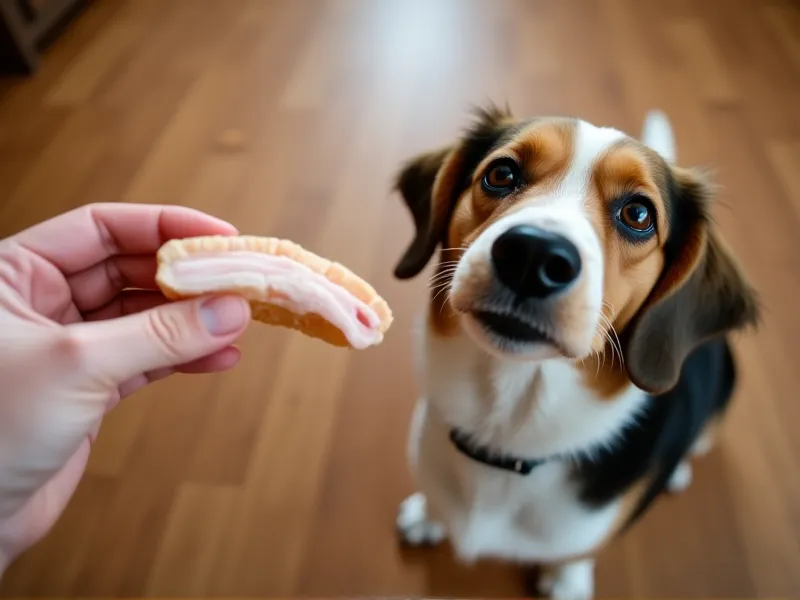
Table of Contents
- Can Dogs Eat Turkey Deli Meat? The Short Answer
- The Benefits of Turkey for Dogs (and Why Deli Meat Falls Short)
- The Hidden Risks of Turkey Deli Meat for Dogs
- How Much Turkey Deli Meat Can Dogs Safely Eat?
- Healthier Alternatives to Turkey Deli Meat
- FAQ: Your Turkey Deli Meat Questions Answered
- Conclusion: Prioritize Fresh, Skip the Deli
Can Dogs Eat Turkey Deli Meat? The Short Answer
Yes, dogs can technically eat tiny amounts of plain, unseasoned turkey deli meat on rare occasions—but it’s not recommended.
Turkey itself is a lean, protein-rich food that can be part of a healthy dog diet (think: fresh, unseasoned turkey breast). However, deli meat is a processed version of turkey, loaded with additives, sodium, and other ingredients that can harm your pup. While a tiny bite here and there might not cause immediate issues, regular or large servings pose significant risks. Let’s dig deeper into why.
The Benefits of Turkey for Dogs (and Why Deli Meat Falls Short)
First, let’s clarify: Fresh turkey is a nutritional powerhouse for dogs. It’s packed with:
- Protein: Essential for muscle growth, repair, and overall energy.
- Vitamins & Minerals: B vitamins (B6, B12) for brain health, iron for red blood cells, zinc for immune function, and potassium for heart health.
- Low Fat: Lean cuts like turkey breast are low in saturated fat, making them a good choice for dogs watching their weight.
But here’s the catch: turkey deli meat is not fresh turkey. Deli meat undergoes processing to extend shelf life, enhance flavor, and improve texture. This processing strips away many natural benefits and adds harmful ingredients. So while the base (turkey) is good, the deli meat form is a far cry from a healthy treat.
The Hidden Risks of Turkey Deli Meat for Dogs
Deli meat might seem harmless, but it’s often a minefield of hidden dangers for dogs. Let’s break down the biggest risks:
1. Excess Sodium: A Recipe for Kidney Trouble
Dogs have much lower sodium needs than humans. The average slice of turkey deli meat contains 300–500 mg of sodium—and that’s just one slice! For context, a 30-pound dog should consume no more than 200 mg of sodium per day (source: PetMD). Feeding even a few slices could push them way over their limit.
Too much sodium can lead to:
- Salt Poisoning: Symptoms include excessive thirst, vomiting, diarrhea, lethargy, seizures, or even death in severe cases.
- Kidney Strain: Chronic high sodium intake damages the kidneys over time, increasing the risk of kidney disease.
- Hypertension: High blood pressure, which can lead to heart problems.
2. Preservatives: Nitrates and Nitrites
To keep deli meat “fresh” for weeks, manufacturers add preservatives like sodium nitrate and sodium nitrite. These chemicals prevent bacterial growth (like botulism) but have been linked to health issues in both humans and dogs.
The World Health Organization classifies processed meats (including deli meats) as Group 1 carcinogens (substances known to cause cancer) for humans. While research on dogs is limited, vets caution against regular consumption, as nitrates can damage cells and increase cancer risk over time (source: American Veterinary Medical Association).
3. Added Sugars and Flavorings
Many deli meats (like honey-glazed, teriyaki, or “hickory-smoked” varieties) contain added sugars, syrups, or artificial flavors. Dogs don’t need sugar in their diet, and excess sugar can lead to obesity, dental decay, or even diabetes.
Worse, some flavorings include onion or garlic powder—both toxic to dogs. These ingredients damage red blood cells, causing anemia (symptoms: weakness, pale gums, lethargy). Even small amounts can be harmful, so always check the label!
4. Choking and Digestive Upset
Deli meat is soft and chewy, but it can still pose a choking hazard, especially for small dogs or greedy eaters who gulp down treats. Additionally, the high fat and processed ingredients in some deli meats (like “oven-roasted” varieties with added oils) can trigger pancreatitis—a painful, life-threatening condition where the pancreas becomes inflamed.
Even if your dog doesn’t choke, processed deli meat can cause:
- Stomachaches, gas, or diarrhea
- Vomiting (especially if they eat a large amount)
How Much Turkey Deli Meat Can Dogs Safely Eat?
If you must share a tiny bite (e.g., your dog begs relentlessly while you’re making a sandwich), follow these rules:
- Size Matters: A “safe” amount depends on your dog’s weight. For a 10-pound Chihuahua, it’s a piece no bigger than your thumbnail. For a 60-pound Labrador, maybe a few small, thin strips (about the size of a credit card).
- Occasional Only: Treat deli meat as a once-in-a-blue-moon indulgence, not a regular snack. Once a month at most!
- No More Than 10% of Calories: Treats (including deli meat) should never make up more than 10% of your dog’s daily calories. For example, a 30-pound dog needs ~700 calories/day, so deli meat should contribute ≤70 calories (that’s less than 1 ounce of most deli meats).
Healthier Alternatives to Turkey Deli Meat
Instead of risking deli meat, opt for these safer, more nutritious turkey-based treats:
1. Fresh, Unseasoned Turkey
The gold standard! Boil or bake a plain turkey breast (no salt, pepper, or seasonings) and chop it into small pieces. This is lean, protein-rich, and free of additives. Store leftovers in the fridge for up to 3 days, or freeze for quick treats.
2. Dog-Safe Turkey Jerky
Look for turkey jerky made specifically for dogs (check pet stores or online). These are formulated with low sodium, no preservatives, and no toxic ingredients. Avoid human jerky, which often has garlic, onion, or excessive salt.
3. Frozen Turkey Treats
Blend cooked turkey with plain yogurt (unsweetened, no xylitol) and freeze in ice cube trays for a cool, summer snack. Dogs love the creamy texture, and it’s packed with protein and probiotics!
4. Commercial Turkey Dog Treats
Brands like Blue Buffalo, Merrick, or Wellness make turkey-flavored treats with limited ingredients. These are tested for safety and nutrition, so you can feel good about giving them to your pup.
FAQ: Your Turkey Deli Meat Questions Answered
Q: Can dogs eat turkey deli meat with cheese?
A: It’s a double whammy! Cheese is high in fat and lactose (many dogs are lactose intolerant), and deli meat adds sodium and preservatives. Skip this combo—your dog’s stomach will thank you.
Q: Is “low-sodium” or “organic” deli meat safer?
A: “Low-sodium” deli meat still contains more sodium than dogs need (often 100–200 mg per slice). “Organic” might avoid some preservatives, but it’s still processed and high in salt. Fresh turkey is always better.
Q: My dog ate a whole slice of deli meat! Should I panic?
A: Probably not, but monitor them closely. Watch for symptoms like vomiting, diarrhea, excessive thirst, or restlessness. If they show any signs of distress, call your vet. For small dogs or dogs with kidney issues, even one slice could be problematic—err on the side of caution and contact your vet.
Q: Can puppies eat turkey deli meat?
A: Puppies have sensitive tummies and developing organs. Processed foods like deli meat can cause stomach upset or long-term health issues. Stick to puppy-safe treats (like fresh turkey) instead.
Q: What if my dog loves deli meat—can I ever share it?
A: If you must share, choose the plainest, lowest-sodium option (e.g., “oven-roasted turkey breast” with no added sugars or spices). Remove any visible fat, tear it into tiny pieces, and limit it to a tiny bite once in a great while.
Conclusion: Prioritize Fresh, Skip the Deli
At the end of the day, turkey deli meat is a processed food designed for humans—not dogs. While a tiny, occasional bite might not harm your pup, the risks (sodium, preservatives, added sugars) far outweigh any minor benefits.
Instead of reaching for the deli counter, opt for fresh, unseasoned turkey as a treat. Your dog will love the taste, and you’ll love knowing you’re keeping them healthy. And when in doubt—whether about deli meat or any human food—always consult your vet. They know your dog’s unique needs (age, weight, health conditions) and can give personalized advice.
Your furry friend deserves the best, so let’s save the deli meat for our sandwiches and give them the fresh, natural treats they truly need. 🦃🐾
References
- American Kennel Club (AKC). “Can Dogs Eat Turkey?” akc.org
- PetMD. “Sodium Toxicity in Dogs.” petmd.com
- American Society for the Prevention of Cruelty to Animals (ASPCA). “Toxic and Non-Toxic Foods for Dogs.” [aspca.org](https://www.aspca.org/pet-care/animal-poison-control/dogs- poisonous-plants)
- World Health Organization (WHO). “Processed Meat and Cancer.” who.int