· 7 min read
Can Dogs Eat Tuna? A Pet Parent’s Guide to Safe Snacking
It’s a quiet evening, and you’re enjoying a can of tuna salad for dinner. Your dog, ever the opportunist, stares up at you with those big, soulful eyes, tail thumping gently. “Just a little bite won’t hurt, right?” you wonder. But before you toss them a morsel, you pause—can dogs eat tuna safely?
As pet parents, we want to share the things we love with our furry companions, but not all human foods are created equal for dogs. Tuna, a staple in many pantries, is a common culprit of this “can they or can’t they” dilemma. In this guide, we’ll break down the facts: the benefits, the risks, how much is safe, and even healthier alternatives to keep your pup happy and healthy.
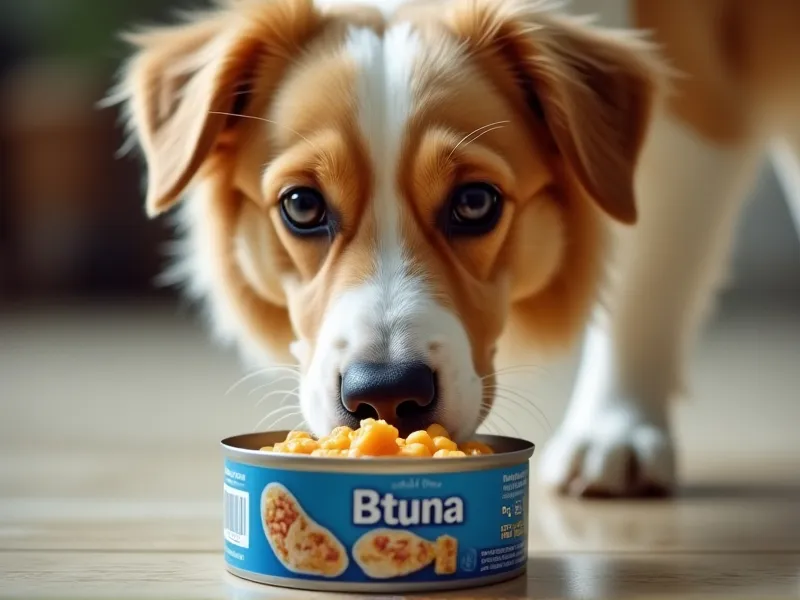
Table of Contents
- Can Dogs Eat Tuna? The Short Answer
- The Benefits of Tuna for Dogs (When Fed Safely)
- The Risks: Why Tuna Isn’t Always a Safe Snack
- Safe Serving Guidelines: How Much Tuna Can Dogs Eat?
- Healthier Alternatives to Tuna for Dogs
- Frequently Asked Questions (FAQ)
- Final Thoughts: Tuna as a Treat, Not a Staple
Can Dogs Eat Tuna? The Short Answer
Yes, dogs can eat tuna in small, occasional amounts—but with important caveats. Tuna isn’t toxic to dogs, and in moderation, it can even offer some nutritional benefits. However, it’s not without risks, including mercury exposure, high sodium, and potential digestive upset. Think of tuna as a “sometimes” treat, not a regular part of their diet.
The Benefits of Tuna for Dogs (When Fed Safely)
Tuna is packed with nutrients that can support your dog’s health—when served correctly. Let’s dive into the key benefits:
1. High-Quality Protein
Tuna is an excellent source of lean protein, which is essential for dogs. Protein supports muscle growth and repair, healthy skin and coat, and a strong immune system. For active dogs or those recovering from illness, a small amount of tuna can be a tasty way to boost their protein intake.
2. Omega-3 Fatty Acids
Tuna (especially fatty fish like albacore) contains omega-3 fatty acids, including EPA and DHA. These healthy fats are known to:
- Reduce inflammation (helpful for dogs with arthritis or skin allergies).
- Support brain and eye development (critical for puppies).
- Promote a shiny, healthy coat and reduce dry, itchy skin.
3. Essential Vitamins and Minerals
Tuna is rich in several key nutrients:
- Vitamin B12: Supports nerve function and energy production.
- Vitamin D: Aids in calcium absorption for strong bones and teeth.
- Selenium: An antioxidant that protects cells from damage and supports thyroid health.
- Potassium: Helps regulate heart function and fluid balance.
Note: While these benefits are real, they’re only meaningful when tuna is fed in moderation. Overdoing it can overshadow the positives with serious risks.
The Risks: Why Tuna Isn’t Always a Safe Snack
Tuna’s benefits are tempting, but it’s crucial to understand the risks before sharing it with your dog. Here’s what to watch out for:
1. Mercury Poisoning
Mercury is a heavy metal found in many fish, and larger, longer-lived fish (like albacore tuna, bigeye tuna, or swordfish) accumulate more of it over time. Dogs are smaller than humans, so even small amounts of mercury can build up in their bodies, leading to:
- Neurological issues (tremors, weakness, loss of coordination).
- Kidney damage.
- Digestive problems (vomiting, diarrhea).
Light tuna (skipjack tuna) has lower mercury levels than albacore, making it a safer choice. Still, no tuna should be fed daily.
2. High Sodium Content
Most canned tuna (even “low-sodium” varieties) contains added salt to preserve flavor. Dogs have much lower sodium requirements than humans—too much salt can cause:
- Dehydration.
- Increased thirst and urination.
- In severe cases, sodium ion poisoning (symptoms include vomiting, diarrhea, seizures, or even death).
Avoid tuna packed in oil or brine, and opt for water-packed tuna with no added salt if you choose to share.
3. Digestive Upset
Tuna is rich in fat (especially in oil-packed varieties). Feeding your dog too much can lead to pancreatitis, a painful inflammation of the pancreas. Symptoms include vomiting, diarrhea, lethargy, and loss of appetite. Even small amounts of fatty tuna can upset sensitive stomachs, causing gas or diarrhea.
4. Choking Hazards and Additives
- Bones: Fresh tuna may contain small, sharp bones that can lodge in your dog’s throat or intestines, causing choking or blockages. Always remove bones before serving.
- Seasonings: Tuna salad or human-prepared tuna dishes often include garlic, onions, or mayo—all of which are harmful to dogs. Garlic and onions contain compounds that damage red blood cells, leading to anemia. Mayo is high in fat, which can trigger pancreatitis.
Safe Serving Guidelines: How Much Tuna Can Dogs Eat?
If you decide to share tuna with your dog, follow these rules to keep them safe:
1. Choose the Right Tuna
- Opt for water-packed, no-salt-added tuna (canned or fresh). Avoid oil-packed, brined, or seasoned tuna.
- Stick to light tuna (skipjack) over albacore, as it has lower mercury levels.
2. Portion Control
Tuna should be a treat, not a meal. A general rule of thumb:
- Small dogs (under 20 lbs): 1–2 teaspoons of tuna per week.
- Medium dogs (20–50 lbs): 1–2 tablespoons per week.
- Large dogs (50+ lbs): 2–3 tablespoons per week.
Pro tip: Mix a tiny amount of tuna into their regular kibble for a special meal, or freeze small portions as a summer treat!
3. Avoid Processed Tuna Products
Never feed your dog tuna salad, tuna casserole, or tuna sushi (raw fish carries parasite risks). Stick to plain, cooked tuna with no additives.
Healthier Alternatives to Tuna
If you’re concerned about mercury or sodium, there are plenty of fish and protein sources that are safer and more nutritionally balanced for dogs:
1. Salmon
Salmon is lower in mercury than tuna and packed with omega-3s. Opt for cooked, boneless salmon (avoid raw, as it may contain parasites).
2. Sardines
Sardines are small, low-mercury fish that come packed with calcium (thanks to their edible bones!). Look for water-packed, no-salt-added sardines—they’re a great source of protein and omega-3s.
3. Cooked Chicken or Turkey
Lean, unseasoned chicken or turkey is a dog-safe staple. It’s low in fat, high in protein, and easy to digest.
4. Mackerel
Mackerel is another low-mercury fish rich in omega-3s. Choose Atlantic mackerel (avoid king mackerel, which has higher mercury).
5. Cod
Cod is a mild, low-fat fish with minimal mercury. It’s gentle on sensitive stomachs and a good source of protein.
Frequently Asked Questions (FAQ)
Q: Can dogs eat canned tuna in water?
A: Yes, but only no-salt-added, water-packed tuna in small amounts. Avoid oil, brine, or seasoned varieties.
Q: Is albacore tuna safe for dogs?
A: Albacore has higher mercury levels than light tuna. It’s not toxic in tiny amounts, but light tuna is a safer choice for occasional treats.
Q: Can puppies eat tuna?
A: Puppies can have small amounts of tuna, but their developing bodies are more sensitive to mercury. Stick to light tuna, limit to once a week, and consult your vet first.
Q: My dog ate a lot of tuna—what should I do?
A: If your dog ate a large amount (e.g., an entire can), monitor for symptoms like vomiting, diarrhea, or lethargy. Contact your vet immediately, as they may need treatment for sodium or mercury overload.
Q: Is tuna good for dogs with skin allergies?
A: The omega-3s in tuna may help reduce skin inflammation, but moderation is key. Talk to your vet first—they may recommend a prescription omega-3 supplement instead of relying on tuna.
Final Thoughts: Tuna as a Treat, Not a Staple
Tuna can be a tasty, nutrient-rich treat for your dog when fed wisely. Its protein, omega-3s, and vitamins offer benefits, but mercury, sodium, and fat pose real risks. The golden rule? Moderation is everything.
If you’re unsure whether tuna is right for your dog—especially if they have kidney issues, pancreatitis, or are on a special diet—always consult your veterinarian. They can help you tailor treats to your dog’s unique needs.
At the end of the day, the best part of sharing a snack with your dog is the joy in their eyes. Whether it’s a tiny bite of tuna or a healthier alternative like sardines, the key is to keep them safe, happy, and healthy.
References
- American Kennel Club (AKC). “Can Dogs Eat Tuna?” akc.org
- ASPCA. “People Foods to Avoid Feeding Your Pets.” aspca.org
- PetMD. “Fish for Dogs: Benefits and Risks.” petmd.com
- Tufts University Cummings School of Veterinary Medicine. “Mercury in Fish: What Pet Owners Need to Know.” tuftscvm.org
- VCA Hospitals. “Pancreatitis in Dogs.” vcahospitals.com