· 7 min read
Can Dogs Eat Tuna with Mayo? A Pet Parent’s Guide to Safe Snacking
It’s a lazy Sunday afternoon, and you’re savoring a tuna salad sandwich—crunchy celery, a dollop of mayo, and flaky tuna. Across the room, your dog sits, tail thumping, those irresistible puppy eyes locked on your plate. “Just a bite?” you wonder. “Can dogs even eat tuna with mayo?”
If you’ve ever asked this question, you’re not alone. As pet parents, we want to share the things we love with our furry friends, but it’s crucial to know what’s safe. Tuna is a popular human food, and mayo is a staple in many dishes—but together, do they make a dog-friendly snack?
In this guide, we’ll break down the risks and benefits, share guidelines for safe feeding, and even suggest healthier alternatives. Let’s dive in!
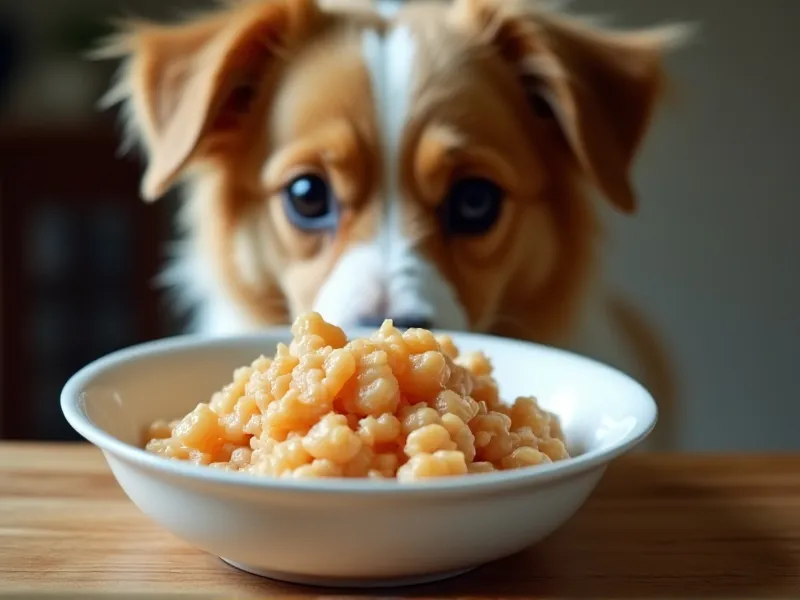
Table of Contents
- The Short Answer: Can Dogs Eat Tuna with Mayo?
- The Benefits of Tuna for Dogs
- The Risks of Tuna with Mayo: Why Mayo is the (Bigger) Concern
- How Much Tuna with Mayo is Safe for Dogs?
- Healthier Alternatives to Tuna with Mayo
- FAQ: Your Tuna-and-Mayo Questions Answered
- Conclusion: Moderation is Key
- References
The Short Answer: Can Dogs Eat Tuna with Mayo?
Yes, but only in tiny, occasional amounts.
Tuna itself isn’t toxic to dogs—in fact, it offers some nutritional benefits. The real concern is the mayo. Most mayo is high in fat, calories, and often hidden additives that can harm dogs, especially in large quantities. Tuna also has its own risks (like mercury) if overfed.
Think of tuna with mayo as a “sometimes” treat, not a regular snack. Let’s unpack the details.
The Benefits of Tuna for Dogs
Tuna is more than just a sandwich filler—it’s packed with nutrients that can support your dog’s health, when fed responsibly. Here’s how it helps:
1. High-Quality Protein
Dogs need protein to build and repair muscles, support their immune system, and maintain healthy skin and hair. Tuna is a complete protein, meaning it contains all the essential amino acids dogs can’t produce on their own. For active dogs or senior pups needing muscle support, a little tuna can be a boost.
2. Omega-3 Fatty Acids
Tuna is rich in EPA and DHA, two omega-3 fatty acids with powerful anti-inflammatory properties. These nutrients:
- Promote a shiny, healthy coat and reduce dry, itchy skin.
- Support joint health, easing stiffness in dogs with arthritis.
- May improve cognitive function, especially in older dogs.
3. Essential Vitamins & Minerals
Tuna is a nutrient-dense food, offering:
- Vitamin B12: Supports nerve function and red blood cell production.
- Vitamin D: Helps absorb calcium for strong bones and teeth.
- Selenium: An antioxidant that protects cells from damage.
- Potassium: Regulates heart rhythm and muscle function.
- Magnesium: Aids in energy production and bone health.
The Risks of Tuna with Mayo: Why Mayo is the (Bigger) Concern
While tuna has benefits, the combination with mayo introduces significant risks. Let’s break down the dangers, starting with the star of the show: mayonnaise.
The Problem with Mayo
Mayonnaise is typically made from oil, egg yolks, vinegar, and seasonings. Here’s why it’s risky for dogs:
High in Fat & Calories
A single tablespoon of mayo has ~90 calories and 10 grams of fat—most of it saturated. For a 10-pound dog, that’s like a human eating 500 extra calories in one bite! Over time, frequent high-fat snacks can lead to:
- Obesity: Extra weight strains joints, heart, and lungs.
- Pancreatitis: A life-threatening condition where the pancreas becomes inflamed (triggered by high fat intake). Symptoms include vomiting, diarrhea, and severe abdominal pain.
Hidden Additives
Many store-bought mayos contain extras that are toxic or harmful to dogs:
- Salt: Excess sodium raises blood pressure and can cause dehydration or kidney damage.
- Sugar: Some “low-fat” or flavored mayo (like honey mustard mayo) adds sugar, contributing to obesity and dental issues.
- Garlic/Onion: Rare, but some artisanal mayos include garlic or onion powder—both are toxic to dogs, even in small amounts (they damage red blood cells).
Allergies
Eggs are a common allergen for dogs. Since mayo is made with egg yolks, dogs with egg allergies may develop itching, ear infections, or digestive upset.
Tuna’s Own Risks
Even plain tuna (without mayo) has risks if fed too often:
Mercury Accumulation
Tuna, especially larger species like albacore, can contain mercury—a heavy metal that builds up in a dog’s body over time. High mercury levels can damage the nervous system, kidneys, and brain. Smaller, younger tuna (like “light tuna”) have lower mercury, but no tuna is risk-free.
Added Salt in Canned Tuna
Most canned tuna (in water or oil) has added salt to preserve flavor. Too much salt can lead to sodium ion poisoning, with symptoms like excessive thirst, vomiting, or seizures. Always choose no-salt-added canned tuna if feeding it to your dog.
How Much Tuna with Mayo is Safe for Dogs?
If you want to share a tiny bite of tuna salad with your dog, follow these rules:
1. Occasional, Not Daily
Tuna with mayo should be a once-in-a-while treat—think once a week at most. Frequent feeding increases mercury risk and mayo-related health issues.
2. Portion Control is Key
Stick to these guidelines based on your dog’s size:
- Small dogs (under 20 lbs): 1–2 teaspoons of tuna salad (tuna + tiny mayo)
- Medium dogs (20–50 lbs): 1 tablespoon
- Large dogs (50+ lbs): 2 tablespoons
Mix it with their regular food to avoid overfeeding, and never make it a meal replacement.
3. Avoid If Your Dog Has Health Issues
Skip tuna with mayo if your dog:
- Has pancreatitis (history or current).
- Is obese or on a weight-loss diet.
- Has kidney disease (due to salt/mercury).
- Is allergic to eggs or fish.
Healthier Alternatives to Tuna with Mayo
Want to share tuna with your dog without the mayo risks? Try these safer swaps:
1. Plain, Water-Packed Tuna
Opt for canned tuna in water (no salt added). Mix a teaspoon (small dog) or tablespoon (large dog) into their kibble for a protein boost. Avoid tuna in oil—it adds unnecessary fat.
2. Tuna + Greek Yogurt
Swap mayo for plain, unsweetened Greek yogurt. It’s high in protein and probiotics (good for digestion) and adds creaminess without the fat. Mix 1 part tuna with 2 parts yogurt for a tasty “tuna yogurt dip.”
3. Tuna + Pumpkin
Canned pumpkin (unsweetened, no spices) is low in calories, high in fiber, and gentle on tummies. Mix a spoonful of tuna with pumpkin for a nutrient-dense snack.
4. Other Fish Options
If tuna feels risky, try these lower-mercury fish:
- Sardines: Small, oily fish with omega-3s and calcium (feed with bones for extra nutrients!).
- Salmon: Rich in omega-3s and low in mercury (cooked, no bones).
- Cod: Lean protein with B vitamins (great for dogs on low-fat diets).
FAQ: Your Tuna-and-Mayo Questions Answered
Q: Can dogs eat tuna mayo sandwiches?
A: No—sandwiches add bread (empty calories), extra salt, and more mayo. Stick to a tiny bite of plain tuna salad (no bread, minimal mayo) instead.
Q: Is low-fat mayo safer for dogs?
A: Not really. “Low-fat” mayo often replaces fat with sugar or additives. It’s still high in calories and not worth the risk.
Q: My dog ate a whole bowl of tuna salad—what should I do?
A: Monitor for pancreatitis symptoms (vomiting, lethargy, abdominal pain) for 24 hours. If they show signs, call your vet immediately.
Q: Can puppies eat tuna with mayo?
A: Puppies have sensitive tummies and developing organs. Skip the mayo, and limit tuna to a tiny, occasional bite (if at all).
Q: Is canned tuna in oil better than water for dogs?
A: No—oil adds extra fat and calories. Always choose water-packed tuna (no salt added).
Conclusion: Moderation is Key
So, can dogs eat tuna with mayo? Yes, but think of it as a rare indulgence—not a routine snack. Tuna offers nutrients, but mayo’s fat and additives, plus tuna’s mercury risk, make it a “proceed with caution” food.
When in doubt, stick to healthier alternatives like tuna + yogurt or pumpkin, and always consult your vet before introducing new foods—especially if your dog has health issues.
After all, those puppy eyes are hard to resist, but keeping your dog safe and healthy is the best treat of all.
References
- American Veterinary Medical Association (AVMA). “Toxic Foods for Pets.” avma.org/resources/pet-owners/petcare/toxic-foods
- PetMD. “Can Dogs Eat Tuna?” petmd.com/dog/nutrition/can-dogs-eat-tuna
- American Kennel Club (AKC). “Pancreatitis in Dogs.” akc.org/expert-advice/health/pancreatitis-in-dogs
- FDA. “Mercury Levels in Commercial Fish and Shellfish.” fda.gov/food/consumers/advice-about-eating-fish