· 9 min read
Can Dogs Eat Tuna Water? A Pet Parent’s Guide to Safe Treats
You’re making a quick lunch—tuna salad, your go-to for busy days. As you pop open the can, the pungent, salty-sweet aroma hits the air. Before you can even grab a fork, your dog is at your feet, tail thumping, nose twitching like a metronome. Their big, hopeful eyes lock onto the can, and you swear they’re thinking, “Share? Please?”
Tuna water—the flavorful liquid left in the can after draining tuna—seems harmless enough. It’s just water (or oil) with a fishy kick, right? But as a responsible pet parent, you pause. Is this safe for your pup? Can dogs eat tuna water, or is it better to toss the can and stick to their regular kibble?
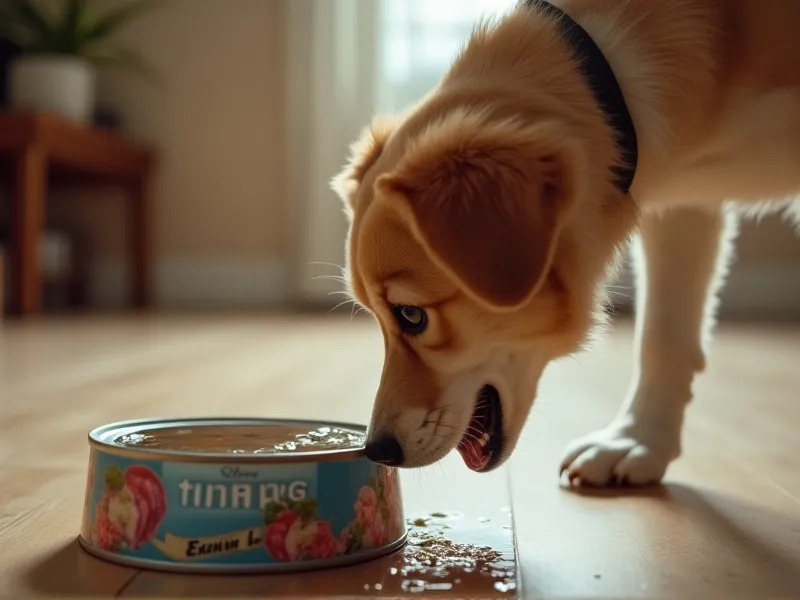
Table of Contents
- Can Dogs Eat Tuna Water? The Short Answer
- The Potential Benefits of Tuna Water for Dogs
- The Risks of Feeding Tuna Water to Dogs
- How Much Tuna Water Is Safe for Dogs?
- Healthier Alternatives to Tuna Water
- Frequently Asked Questions (FAQ)
- Conclusion: Tuna Water in Moderation
- References
Can Dogs Eat Tuna Water? The Short Answer
Yes, dogs can technically drink small amounts of tuna water—but with big caveats. Tuna water isn’t toxic to dogs, and in tiny, occasional doses, it might even be a tasty treat. However, it’s not without risks, and it should never become a regular part of their diet. Think of it like a salty, fishy “sprinkle” for their food or a rare hydration boost—not a staple.
The Potential Benefits of Tuna Water for Dogs
Let’s start with the good news: tuna water does have a few upsides, which is why so many pet parents are tempted to share it. Here’s what makes it appealing:
1. A Source of Omega-3 Fatty Acids
Tuna is rich in omega-3 fatty acids (like EPA and DHA), which are fantastic for dogs’ skin, coat, joint health, and even brain function. While the water won’t have as much omega-3s as the tuna itself, it does leach some of these beneficial fats. A tiny splash might help reduce inflammation or give your dog’s coat a subtle shine—though don’t expect miracles!
2. Hydration Helper for Picky Drinkers
If your dog turns up their nose at plain water (we’ve all been there), tuna water’s strong aroma and flavor might entice them to lap up a little extra liquid. This can be helpful on hot days or for dogs recovering from illness who need to stay hydrated. Just remember: it’s a supplement to water, not a replacement.
3. Palatability for Finicky Eaters
Has your dog suddenly decided their kibble is “boring”? A teaspoon of tuna water mixed into their food can add a savory, fishy flavor that might make mealtime exciting again. This is especially useful for senior dogs or those on restricted diets who need a little encouragement to eat.
4. Trace Nutrients Like Potassium
Tuna (and thus its water) contains small amounts of potassium, an electrolyte that helps regulate your dog’s heart rate, muscle function, and fluid balance. Again, we’re talking about trace amounts here—your dog won’t get all their potassium from tuna water—but every little bit counts in moderation.
The Risks of Feeding Tuna Water to Dogs
Now, the not-so-good news: tuna water comes with some significant risks, especially if overfed or given regularly. Let’s break them down:
1. Mercury Exposure
Tuna is a predatory fish, and larger species (like albacore) accumulate mercury over time. Mercury is toxic to dogs (and humans!) in high doses, causing neurological issues, kidney damage, and even organ failure. While the water itself may have less mercury than the tuna meat, it still leaches small amounts. Chronic exposure (even tiny daily doses) can lead to mercury buildup in your dog’s body—especially dangerous for small breeds, puppies, or dogs with liver/kidney disease.
2. High Sodium Content
Most canned tuna is packed in either water, oil, or brine (salt water). Brine-packed tuna is the worst offender here: a single can can contain hundreds of milligrams of sodium. Even water-packed tuna often has added salt to preserve freshness. Too much sodium can cause:
- Dehydration (ironic, since you might be using it to hydrate!)
- Increased thirst and urination
- Electrolyte imbalances
- In severe cases, sodium ion poisoning (symptoms include vomiting, diarrhea, seizures, or even death).
Dogs with heart disease, high blood pressure, or kidney issues are especially vulnerable to sodium overload.
3. Oil-Packed Tuna: A Fatty Disaster
If your tuna is packed in oil (olive, soybean, or vegetable oil), the “water” is actually greasy, high-fat oil. Dogs’ digestive systems aren’t great at processing large amounts of fat, which can lead to:
- Stomach upset (vomiting, diarrhea, or pancreatitis, a painful and potentially life-threatening inflammation of the pancreas).
- Weight gain, which increases the risk of diabetes, arthritis, and other obesity-related issues.
4. Hidden Additives and Sugar
Some flavored tunas (like “lemon pepper” or “bbq”) contain added sugars, garlic, onions, or spices—all of which are toxic or harmful to dogs. Garlic and onions, for example, damage red blood cells and can cause anemia. Even small amounts of added sugar can lead to dental decay, obesity, or insulin resistance over time. Always check the label: if the tuna has anything besides “tuna” and “water,” skip sharing the liquid.
5. Stomach Upset from Novel Foods
Dogs have sensitive tummies, and sudden introduction of new foods (even liquids) can throw their digestion off balance. Tuna water’s strong flavor or high sodium might trigger diarrhea, gas, or bloating—especially in puppies, senior dogs, or dogs with sensitive stomachs.
How Much Tuna Water Is Safe for Dogs?
The golden rule here is moderation. Tuna water should be an occasional treat, not a daily habit. Here’s a general guideline based on your dog’s size:
- Small dogs (under 20 lbs): 1–2 teaspoons, once every 1–2 weeks.
- Medium dogs (20–50 lbs): 1–2 tablespoons, once every 1–2 weeks.
- Large dogs (50+ lbs): 2–3 tablespoons, once every 1–2 weeks.
Never give tuna water more than once a week, and always start with a tiny amount to test your dog’s reaction. If they develop diarrhea, vomiting, or seem lethargic, stop giving it and contact your vet.
Pro Tips for Safe Feeding:
- Choose water-packed, low-sodium tuna (check the label for “no salt added”). Avoid brine or oil-packed varieties.
- Drain the tuna first, then use only the liquid—no chunks of tuna (unless you’re giving plain, cooked tuna as a separate treat, which has its own guidelines).
- Never use tuna water as a meal replacement or to “hide” medication without consulting your vet.
Healthier Alternatives to Tuna Water
If you want to treat your dog to a flavorful drink or food topper, there are safer, more nutritious options than tuna water. Here are our top picks:
1. Low-Sodium Chicken or Turkey Broth
Homemade or store-bought (check for “no salt added” and avoid onions/garlic) chicken or turkey broth is a fantastic alternative. It’s low in sodium, rich in amino acids, and gentle on tummies. Simmer chicken bones (with meat) in water for 2–3 hours, strain, and let cool—your dog will love it!
2. Bone Broth
Bone broth (made from beef, chicken, or turkey bones) is a nutrient powerhouse, packed with collagen, glucosamine, and minerals. It supports joint health, digestion, and hydration. Look for store-bought versions without additives, or make your own at home.
3. Plain Water with a Splash of Fruit
For a hydrating twist, add a tiny splash of unsweetened coconut water (high in potassium!) or a few slices of apple/blueberry to your dog’s water bowl. Most dogs love the natural sweetness, and it’s far safer than tuna water.
4. Cooked, Unseasoned Fish (as a Treat)
If your dog loves fish, skip the water and offer a small piece of cooked, boneless salmon or sardines (low in mercury). Sardines are tiny, low-mercury fish packed with omega-3s—just drain them and serve plain (no salt or oil).
5. Pumpkin Puree (for Food Topping)
A spoonful of plain, unsweetened pumpkin puree mixed into kibble adds fiber and flavor without the risks of tuna water. It’s also great for dogs with digestive issues!
Frequently Asked Questions (FAQ)
Q: Can puppies drink tuna water?
A: It’s best to avoid tuna water for puppies under 6 months old. Puppies have developing immune and digestive systems, and the sodium, mercury, or additives could upset their tummies or cause long-term issues. Stick to their puppy food and plain water.
Q: Is water-packed tuna better than oil-packed for dogs?
A: Yes! Oil-packed tuna is high in fat, which can cause pancreatitis or diarrhea. Water-packed (especially low-sodium) is the safer choice if you do share tuna water.
Q: My dog drank an entire can of tuna water by accident! What should I do?
A: Don’t panic, but monitor them closely. Symptoms of overindulgence (sodium overload or mercury exposure) include vomiting, diarrhea, excessive thirst, lethargy, or tremors. If any of these occur, contact your vet immediately.
Q: Can tuna water help my dog with constipation?
A: It’s not the best choice. Tuna water is low in fiber and high in sodium, which can worsen dehydration (a common cause of constipation). Instead, try pumpkin puree (1–2 teaspoons for small dogs, 1–2 tablespoons for large) or increased water intake.
Q: Is albacore or light tuna water safer?
A: Light tuna (like skipjack) is lower in mercury than albacore (white tuna). If you must use tuna water, opt for light tuna to reduce mercury risk.
Conclusion: Tuna Water in Moderation
So, can dogs eat tuna water? Yes—but it’s a “proceed with caution” yes. In tiny, occasional amounts, it might be a fun treat for your pup, but the risks (mercury, sodium, fat) far outweigh the benefits.
As a pet parent, your goal is to keep your dog happy and healthy. Instead of reaching for the tuna can, try safer alternatives like low-sodium broth or bone broth. And if you’re ever unsure whether a food or drink is safe, always consult your vet. They know your dog’s health history and can give personalized advice.
At the end of the day, your dog’s favorite treat is probably just spending time with you—tuna water or not. So share a belly rub, a walk, or a game of fetch instead, and save the tuna water for the rare, tiny splurge.
References
- American Society for the Prevention of Cruelty to Animals (ASPCA). “People Foods to Avoid Feeding Your Pets.” aspca.org/pet-care/animal-poison-control/people-foods-avoid-feeding-your-pets
- VCA Hospitals. “Fish for Dogs: Benefits and Risks.” vcahospitals.com/know-your-pet/fish-for-dogs-benefits-and-risks
- American Veterinary Medical Association (AVMA). “Nutrition: What’s Right for Your Pet.” avma.org/resources/pet-owners/nutrition/nutrition-whats-right-your-pet
- PetMD. “Mercury in Pet Food: What Pet Owners Need to Know.” petmd.com/dog/nutrition/mercury-pet-food-what-pet-owners-need-know
- World Small Animal Veterinary Association (WSAVA). “Global Nutrition Guidelines.” wsava.org/guidelines/global-nutrition-guidelines