· 8 min read
Can Dogs Eat Tuna Steak? Benefits, Risks & Safe Feeding Guidelines
You’re savoring a perfectly grilled tuna steak, its flaky texture and rich, briny flavor making every bite a delight. Out of the corner of your eye, you notice your dog staring up at you, tail thumping against the floor, those big puppy eyes practically begging, “Can I have a bite?” It’s a scenario many pet parents know well—our furry friends are always eager to share in our meals. But when it comes to tuna steak, is it safe to give in to those puppy eyes?
Tuna is a popular seafood for humans, prized for its protein and heart-healthy fats. But dogs have different nutritional needs, and what’s good for us isn’t always good for them. In this guide, we’ll break down whether tuna steak is a safe treat for your pup, the potential benefits and risks, how much to feed (if any), and healthier alternatives to consider. Let’s dive in!
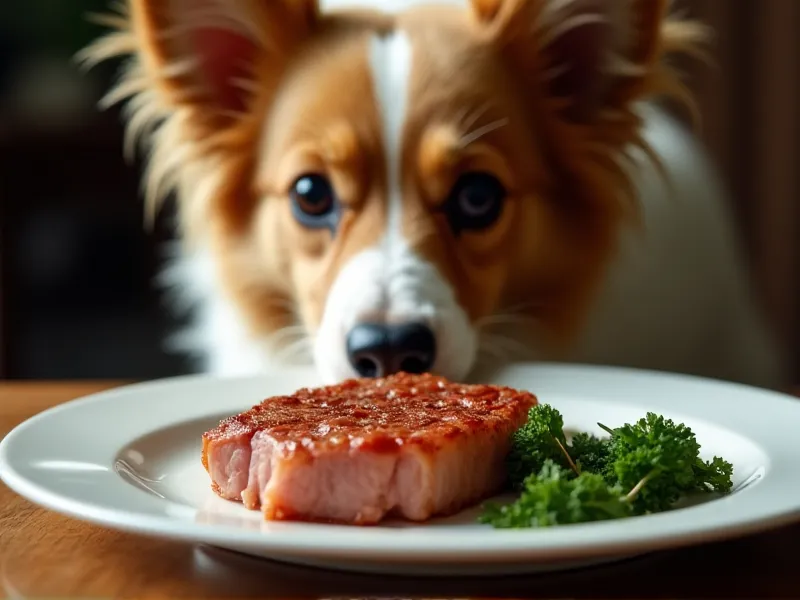
Table of Contents
- Can Dogs Eat Tuna Steak? The Short Answer
- Nutritional Benefits of Tuna Steak for Dogs
- Potential Risks of Feeding Tuna Steak to Dogs
- How Much Tuna Steak Can Dogs Safely Eat?
- Healthier Alternatives to Tuna Steak for Dogs
- Frequently Asked Questions (FAQ)
- Conclusion: Moderation is Key
- References
Can Dogs Eat Tuna Steak? The Short Answer
Yes, dogs can eat tuna steak—but only in moderation, and under certain conditions. Tuna steak is not toxic to dogs, and in small amounts, it can even offer some nutritional benefits. However, it’s not a “free pass” to share your entire meal. The key is to serve it plain, cooked, and as an occasional treat, not a regular part of their diet. Like many human foods, tuna steak comes with potential risks (we’ll get to those!), so it’s important to balance the pros and cons before offering it to your pup.
Nutritional Benefits of Tuna Steak for Dogs
Tuna steak is packed with nutrients that can support your dog’s health—when fed correctly. Let’s break down the key benefits:
1. High-Quality Protein
Tuna is an excellent source of lean, complete protein, which is essential for dogs. Protein helps build and repair muscle tissue, supports a healthy coat and skin, and keeps their immune system strong. A 3-ounce serving of cooked tuna steak contains about 25 grams of protein—nearly half the daily protein requirement for a 30-pound dog (who needs roughly 50-60 grams of protein per day, depending on activity level).
2. Omega-3 Fatty Acids
Tuna is rich in omega-3 fatty acids, specifically EPA (eicosapentaenoic acid) and DHA (docosahexaenoic acid). These healthy fats are famous for their anti-inflammatory properties, which can benefit dogs with joint pain, allergies, or skin conditions like itching or dryness. Omega-3s also support brain health (especially in puppies) and may reduce the risk of heart disease in older dogs.
3. Essential Vitamins and Minerals
Tuna steak is a good source of:
- Vitamin B12: Critical for nerve function and red blood cell production. A deficiency can lead to fatigue or weakness in dogs.
- Selenium: An antioxidant that protects cells from damage and supports thyroid health.
- Niacin (Vitamin B3): Aids in energy metabolism and keeps the skin and coat healthy.
- Phosphorus: Works with calcium to maintain strong bones and teeth.
Potential Risks of Feeding Tuna Steak to Dogs
While tuna steak has benefits, it’s not without risks. Here’s what to watch out for:
1. Mercury Poisoning
One of the biggest concerns with tuna (especially larger species like albacore or bigeye tuna) is mercury. Mercury is a heavy metal that accumulates in fish over time, and larger, longer-lived fish (like tuna) tend to have higher levels. For dogs, chronic exposure to mercury can lead to neurological issues (tremors, loss of coordination), kidney damage, or digestive problems.
The good news? Tuna steak from smaller species (like skipjack tuna) generally has lower mercury levels than larger varieties. Still, the FDA advises limiting “high-mercury fish” for humans, and the same logic applies to dogs: occasional small servings are safer than regular feedings.
2. Sodium and Seasonings
Most people season their tuna steak with salt, pepper, garlic, or herbs—but these additives can be harmful to dogs. Garlic and onions (even in small amounts) contain thiosulphate, which can damage a dog’s red blood cells and cause anemia. Excess salt can lead to sodium ion poisoning, with symptoms like vomiting, diarrhea, excessive thirst, or even seizures. Always serve tuna steak to your dog plain, with no added salt, oil, or seasonings.
3. Choking Hazards or Bones
While tuna steak is generally boneless, there’s always a risk of small, sharp bones being left behind (especially in less processed cuts). These bones can get stuck in your dog’s throat, esophagus, or intestines, causing choking or internal damage. Always inspect the tuna thoroughly and remove any visible bones before feeding.
4. Nutritional Imbalances
Tuna steak is not a complete diet for dogs. It lacks essential nutrients like calcium (critical for bones), vitamin D, and fiber. Feeding too much tuna can displace your dog’s regular, balanced dog food, leading to deficiencies over time. Think of it as a “side dish,” not the main course.
5. Allergic Reactions
Though rare, some dogs may be allergic to fish. Symptoms of a fish allergy include itching, redness, hives, or digestive upset (vomiting, diarrhea). If your dog has never had fish before, start with a tiny bite and monitor them for 24 hours.
How Much Tuna Steak Can Dogs Safely Eat?
The golden rule: tuna steak should be an occasional treat, making up no more than 10% of your dog’s daily calorie intake. Here’s a rough guide based on your dog’s size:
- Small dogs (under 20 lbs): 1-2 small bites (about the size of a thumbnail) per serving.
- Medium dogs (20-50 lbs): 1-2 tablespoons of flaked tuna (roughly the size of a golf ball).
- Large dogs (50+ lbs): 2-3 tablespoons of flaked tuna.
Frequency: Aim for no more than once per week. This limits mercury exposure and ensures your dog’s diet stays balanced.
Preparation tips:
- Cook the tuna thoroughly (grilled, baked, or boiled—no raw fish, which can carry parasites like Anisakis).
- Let it cool to room temperature to avoid burning your dog’s mouth.
- Flake it into small pieces to reduce choking risk.
- No seasonings, oil, or sauces—plain and simple!
Healthier Alternatives to Tuna Steak for Dogs
If you’re looking for fish-based treats with lower risks, consider these alternatives:
1. Salmon
Salmon is rich in omega-3s (even more than tuna!) and has lower mercury levels. It’s also a great source of protein and vitamin D. Serve it cooked, plain, and boneless (canned salmon, in water, no salt added, is a convenient option).
2. Sardines
Sardines are small, short-lived fish, so they have very low mercury levels. They’re also packed with calcium (thanks to their soft, edible bones) and omega-3s. Look for canned sardines in water (not oil or salt) and mash them into your dog’s food as a treat.
3. Cooked Chicken or Turkey
Lean, unseasoned chicken or turkey is a safer, more affordable alternative to fish. It’s high in protein, easy to digest, and most dogs love it. Plus, it’s less likely to cause mercury concerns or allergies.
4. Pumpkin (Plain, Canned)
For a non-fish treat, plain pumpkin (not pie filling!) is a great source of fiber and beta-carotene. It can even help soothe upset stomachs.
Frequently Asked Questions (FAQ)
Q: Can puppies eat tuna steak?
A: Puppies can have tiny amounts of plain, cooked tuna steak, but it’s best to consult your vet first. Puppies have developing immune systems and specific nutritional needs, so their diet should focus on high-quality puppy food.
Q: Is canned tuna safe for dogs?
A: Canned tuna (in water, no salt added) is safer than canned tuna in oil or with added salt. However, canned tuna often comes from larger species (like albacore), which have higher mercury levels. Stick to small, occasional servings, and opt for “light tuna” (skipjack) over albacore when possible.
Q: What if my dog ate too much tuna steak?
A: If your dog gobbled up a large portion, monitor them for symptoms like vomiting, diarrhea, lethargy, or loss of appetite. Contact your vet if these symptoms persist, as they could indicate mercury toxicity or digestive upset.
Q: Can dogs eat raw tuna steak?
A: No. Raw tuna may contain harmful bacteria (like Salmonella) or parasites (like Anisakis), which can cause vomiting, diarrhea, or more serious illness. Always cook tuna thoroughly before feeding.
Conclusion: Moderation is Key
Tuna steak can be a tasty, nutritious treat for your dog—when served plain, cooked, and in small amounts. Its protein and omega-3s offer benefits, but mercury, sodium, and nutritional imbalances are real risks to watch for.
At the end of the day, the best way to keep your pup healthy is to stick to a balanced, vet-approved dog food and reserve human foods (like tuna steak) for special occasions. When in doubt, always consult your vet—they know your dog’s unique needs best.
So, the next time your dog begs for a bite of your tuna steak, you can feel confident sharing a tiny, plain piece (after all, those puppy eyes are hard to resist!). Just remember: moderation makes all the difference in keeping your furry friend happy and healthy.
References
- American Veterinary Medical Association (AVMA). “People Foods to Avoid Feeding Your Pets.” avma.org/resources/pet-owners/nutrition/people-foods-avoid-feeding-your-pets
- American Society for the Prevention of Cruelty to Animals (ASPCA). “Toxic and Non-Toxic Plant List—Dogs.” aspca.org/pet-care/animal-poison-control/toxic-and-non-toxic-plants (Note: While this focuses on plants, the ASPCA also advises caution with high-mercury fish for pets.)
- Journal of Veterinary Internal Medicine. “Mercury Exposure in Dogs and Cats: A Review.” doi.org/10.1111/jvim.15724
- FDA. “Advice About Eating Fish.” fda.gov/food/consumers/advice-about-eating-fish (Guidelines for mercury in fish, applicable to pets in moderation.)